
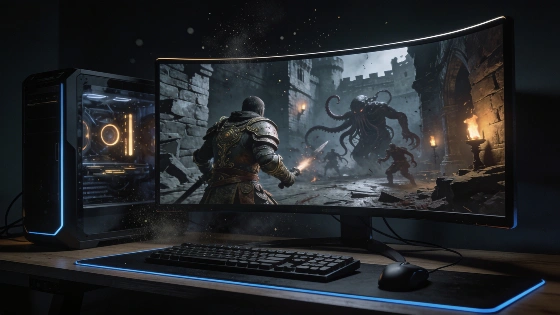
Mortal Shell 2 builds on the original's soulslike formula with a larger world, expanded combat systems and new character shells, but some technical and balance issues remain as the series grows in scale
Mortal Shell 2 marks a significant shift for the series, moving away from the tightly focused structure of its 2020 predecessor towards a much broader action-RPG experience. The sequel introduces a larger, more interconnected world, a wider range of playable shells, and a deeper arsenal of weapons, all while retaining the core identity that set the original apart. While the ambition is clear, the transition to a grander scale brings both notable improvements and a handful of technical and balance challenges that become more apparent as the game progresses.
Expanded Shells and Combat Systems
The sequel doubles the number of shells available, offering players a more diverse set of characters to inhabit, each with their own unique abilities and playstyles. Returning faces are joined by new additions, such as a time-manipulating cultist and an armour-clad alien, broadening the tactical options in combat. Unlike the first game, where shells were mainly distinguished by health and passive traits, Mortal Shell 2 introduces active abilities for each shell, making their differences more pronounced and impactful during encounters. Players can now freely refund and reallocate upgrade points, encouraging experimentation with different builds and strategies.
The weapon selection has also grown, with eight main melee weapons and eight ranged sidearms, each supporting distinct approaches to combat. The removal of the stamina system in favour of a Resolve meter shifts the focus towards aggressive play, as Resolve is generated through melee attacks and spent on special moves and ranged abilities. Defensive options have been expanded with new shield types, including the returning Harden mechanic, a standard block, and a parry-focused variant, allowing players to tailor their defensive style to their preferences and the challenges ahead.
World Design and Exploration
Mortal Shell 2 reimagines Fallgrim as a sprawling, interconnected landscape, replacing the original's hub-and-spoke structure with a vast central region branching into six distinct dungeons. The world is dense with branching paths, hidden dungeons, and environmental storytelling, encouraging exploration and rewarding curiosity. A map is now available to help players navigate, though the lack of robust pinning or note-taking features can make it easy to lose track of points of interest, especially in areas where visual variety is limited.
Throughout the world, players encounter a range of side activities, from combat gauntlets to mini-dungeons and beacon checkpoints that serve as respawn locations. These bite-sized challenges break up the main quest and provide valuable resources, but the sheer number of branching routes can be overwhelming. The enemy design leans heavily into the macabre, with grotesque creatures and unsettling bosses that reinforce the game's dark atmosphere. Notably, Mortal Shell 2's approach to world-building and environmental design draws on the strengths of its predecessor while pushing for greater scale and complexity.
Progression, Customisation and Technical Issues
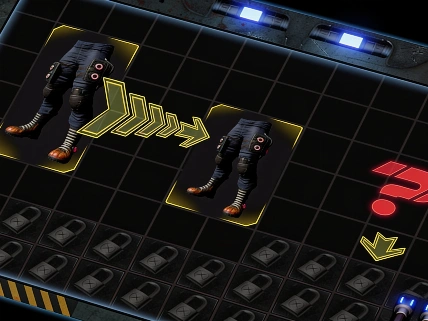
Progression in Mortal Shell 2 is driven by a combination of shell upgrades, weapon enhancements, and the use of Tarstones-items that grant passive bonuses or new abilities when slotted into equipment. While upgrade materials can be refunded, gold spent on enhancements is lost, making late-game experimentation more costly and potentially discouraging players from trying new weapons after significant investment. The flexibility in build customisation is a clear improvement, but some balance issues emerge, particularly in the late game where optimised builds can trivialise certain bosses.
Technical issues are present, with some abilities occasionally failing to connect as intended and certain input actions, such as running or auto-targeting, feeling inconsistent. These rough edges do not fundamentally undermine the experience, but they are noticeable, especially during longer play sessions. The expanded systems and larger world also introduce new opportunities for confusion, as navigation and resource management become more complex.
Franchise Context and Player Consequences
Mortal Shell 2's evolution reflects a broader trend in action-RPGs towards larger, more open worlds and deeper customisation. The sequel's willingness to experiment with its core mechanics and world structure sets it apart from other soulslike titles, even as it inherits some of the genre's familiar challenges. For players interested in how other series have tackled the transition to larger worlds, Square Enix's approach with Final Fantasy 7 Revelation-focusing on scale without sacrificing direction-offers a useful point of comparison, as discussed in our coverage of their design philosophy.
With a main quest estimated at 25-30 hours, Mortal Shell 2 delivers a substantial experience for those seeking a more ambitious take on the soulslike formula. The expanded shell roster, weapon variety, and world design provide meaningful reasons to revisit the series, though players should be prepared for some technical quirks and a learning curve as they adapt to the new systems. The sequel's success lies in its ability to build on the original's strengths while embracing the risks of a larger, more complex world.
Understanding the difference between passive and active abilities is key to appreciating Mortal Shell 2's progression system. Passive abilities provide ongoing benefits without player input, such as increased health or resistance, while active abilities require deliberate activation and can dramatically alter combat tactics. The shift towards more impactful active abilities in the sequel not only diversifies playstyles but also encourages players to experiment with different shells and builds, making customisation a central part of the experience.