
With anticipation building for Grand Theft Auto VI, a look back at Grand Theft Auto IV highlights features and design choices that could influence Rockstar's next entry, from world-building to driving mechanics and character depth
As Rockstar prepares to reveal more about Grand Theft Auto VI, attention is turning to what the next entry might borrow from earlier titles in the series. Grand Theft Auto IV, released in 2008, remains a touchstone for many players due to its distinctive approach to world-building, characterisation and gameplay systems. Revisiting Liberty City today reveals a game that, despite technical limitations, still offers a compelling experience that stands apart from its successors.
Liberty City's Atmosphere and Technical Constraints
Grand Theft Auto IV's Liberty City is notable for its dense, lived-in atmosphere, achieved despite the hardware limitations of the Xbox 360 and PlayStation 3 era. The game's draw distance and visual clarity are modest by modern standards, with distant objects often appearing blurred or obscured. However, Rockstar's attention to environmental detail-such as cluttered apartments and weathered street scenes-creates a sense of authenticity that remains effective. The opening areas, in particular, capture the gritty tone of the narrative, with small touches like worn posters and cramped interiors reinforcing the protagonist's outsider status.
While the technical leap to Grand Theft Auto V brought sharper visuals and a more expansive world, some players argue that IV's focused design and atmospheric density have not been fully matched since. The contrast between the two games highlights the trade-offs involved in open-world development, especially as expectations for graphical fidelity and world size continue to rise.
Driving and Vehicle Handling
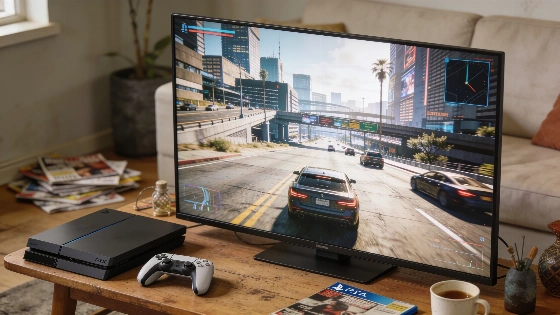
One of Grand Theft Auto IV's most debated features is its vehicle handling model. Cars in IV feel weighty and unpredictable, with a sense of momentum that can make high-speed chases both thrilling and hazardous. This approach stands in contrast to Grand Theft Auto V, where driving is more responsive and accessible but arguably less distinctive. The risk and challenge of IV's driving mechanics contribute to the game's tension, especially during missions that demand precision under pressure.
There is ongoing discussion within the community about whether Grand Theft Auto VI should aim for a middle ground-retaining the excitement and danger of IV's driving while offering the control and polish of later entries. Rockstar has not yet detailed the handling model for VI, leaving room for speculation about how the studio will balance realism and playability in the next generation.
Relationship Systems and Character Depth
Grand Theft Auto IV introduced a relationship system that allowed players to build both romantic and platonic connections with other characters. These interactions, often initiated through in-game phone calls, could unlock new activities, rewards and narrative moments. While the system was sometimes criticised for its frequency and intrusiveness, it added a layer of social simulation that reflected the protagonist's struggle to adapt to a new city.
The game's lead, Niko Bellic, remains one of Rockstar's most nuanced protagonists. His story, grounded in themes of ambition, regret and cultural displacement, provides a foundation of sincerity that distinguishes IV from other entries in the series. As Rockstar moves forward with Grand Theft Auto VI, there is interest in whether the studio will pursue a similarly character-driven narrative, especially given the critical acclaim for Red Dead Redemption 2's storytelling. For a broader look at how Rockstar's approach to narrative and world-building has evolved, see this analysis of the upcoming Grand Theft Auto VI showcase streaming first on Netflix this August.
Mission Structure and Lasting Influence
Grand Theft Auto IV's mission design is often remembered as functional but occasionally repetitive, with standout moments such as the Three Leaf Clover bank heist setting a new standard for cinematic action within the series. This mission, in particular, has influenced the structure of later heist sequences in Grand Theft Auto V and beyond. While some aspects of IV's mission pacing may feel dated, its legacy is evident in the evolution of Rockstar's approach to set-piece design and narrative integration.
As anticipation for Grand Theft Auto VI builds, players and critics alike are reflecting on which elements from IV might be worth revisiting. The balance between technical ambition, mechanical challenge and narrative depth remains central to the series' appeal, and the choices made for VI will likely shape expectations for open-world games in the years ahead.
Understanding the difference between a remaster and a remake is important when discussing the evolution of long-running franchises like Grand Theft Auto. A remaster typically updates a game's visuals and performance for modern hardware while retaining the original content and mechanics. A remake, by contrast, rebuilds the game from the ground up, often reimagining core systems, story elements and design choices. As players look back at Grand Theft Auto IV and forward to Grand Theft Auto VI, recognising these distinctions helps clarify what changes are possible-and what might be preserved-in future releases.