
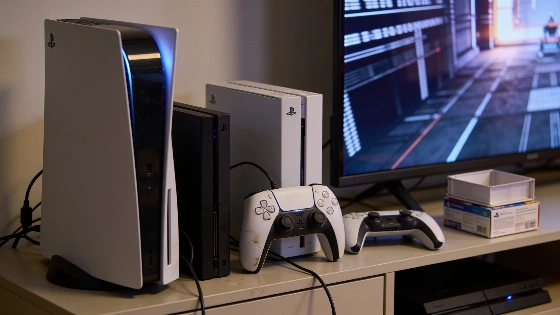
Circana analyst Mat Piscatella says the US console market is in its most precarious position since the early 1980s. Xbox unit sales fell 33% as average hardware prices reached record highs.
Through August 2026, US retailers sold 33% fewer Xbox consoles than during the same period a year earlier. PlayStation unit sales fell 25%, according to Circana analyst Mat Piscatella, who described the market as its most precarious since the early 1980s.
Xbox Takes the Hardest Hit
The decline reaches every major platform, but Xbox has absorbed the sharpest blow. Its US hardware sales have reached an all-time low. PlayStation has fallen to its weakest point since 2013.
Nintendo hardware unit sales also declined. Nintendo Switch 2 still led the US market by both units and dollar sales in August, as well as across the year to date.
August offered a particularly blunt snapshot. Total console hardware sales dropped 15% year over year to 559K units, the lowest August total since 2013. Business Insider reported the same 559,000-unit result. PlayStation units fell 11%, while Xbox units plunged 31% to their lowest August level since 2020. Nintendo units declined 15%.
Those figures count units rather than revenue. That distinction matters because fewer consoles are selling while the remaining purchases cost considerably more. Xbox Series dollar sales fell 13% in August. Switch 2 dollar sales also declined 13%, even as both platforms remained part of the same overall market comparison.
Record Prices Meet Cautious Buyers
The average US price paid for a new Xbox console reached $529 in 2026, up 26% from the previous year. PlayStation's average reached $597, a 20% increase. Both figures are all-time highs for their platforms. Across all new hardware, the average price paid in August reached a record $541, compared with $476 a year earlier.
That pricing helps explain why PlayStation 5 hardware dollar sales grew 17% in August even as unit sales declined 11%. Consumers have not necessarily left the market altogether. They are buying fewer machines and paying more for each one.
GamesBeat's reporting on Circana data shows why higher PS5 revenue does not represent a larger audience. The 17% revenue increase came alongside an 11% fall in physical sales, leaving the higher average selling price to offset weaker volume. Piscatella's warning about price sensitivity carries more weight than a simple sales leaderboard.
According to Circana data reported by GamesBeat, combined US spending on video games, hardware and accessories fell 9% year over year in August, to $4.3 billion. Hardware spending alone decreased 3%, to $302 million.
Component costs are adding to the pressure. Sony's April increase added $100 to both the PlayStation 5 and Digital Edition. The increase for PlayStation 5 Pro was $150, taking that model to $899.99.
The source attributes those increases to soaring memory prices as manufacturers prioritised demand from AI data centres. Xbox and Nintendo face the same broader component crisis.
GTA VI Offers a Limited Lifeline
Nintendo Switch 2 currently leads the US market in units. It also leads in dollars. PlayStation 5 ranks second on both measures, while Xbox Series S|X ranks third.
VGChartz's August market ranking placed Nintendo Switch 2 first on both measures. PlayStation 5 was second. Xbox Series X|S was third.
That order gives the November release of Grand Theft Auto VI considerable commercial importance, although Piscatella does not name the game directly. Grand Theft Auto VI is scheduled for November 19.
A major release can bring people back to hardware, but it cannot solve a supply problem by itself. The potential boost depends on consoles being available at prices buyers will accept. New PlayStation 5 Pro stock has already been drying up ahead of the launch. GameStop is pricing used consoles above new ones.
The wider games market is also under strain. US video game spending fell 9% in August to $4.3 billion. Mobile content declined 18%, while console content fell 7%. PC content was the exception, rising 13%.
The Market Needs More Than One Hit
Resident Evil: Requiem remained the best-selling premium game released in 2026 year to date. It ranked ahead of 007 First Light. NBA 2K27 followed that title.
The chart also includes MLB: The Show 26. Crimson Desert appears on the list. Call of Duty: Black Ops II is included as well. Other entries are Forza Horizon 6, Tomodachi Life: Living the Dream, LEGO Batman: Legacy of the Dark Knight and Pokemon: Pokopia.
The chart is likely to change when Grand Theft Auto VI arrives, but a software hit cannot erase the arithmetic of expensive hardware.
The deterioration extends beyond August's monthly comparison. VGChartz reported that US hardware spending reached $2.5 billion from January through August 2026, down 11% from the same period in 2025. Over that eight-month period, the overall games market fell 3%, from $37.44 billion to $36.28 billion.
An earlier hardware breakdown showed how closely players now scrutinise technical value outside the console market. The current issue is more basic: the market is selling fewer units at higher prices, component costs are limiting room for discounts, and stock remains uneven.
August's revenue figures do not indicate healthy hardware demand when unit sales are falling across every major console maker. The US market is relying on Nintendo Switch 2's momentum and the expected pull of Grand Theft Auto VI. Xbox faces its deepest decline, while PlayStation has reached a low unseen since 2013.
Unit sales count machines sold. Dollar sales count the money those machines generate. The measures can move in opposite directions because a higher average selling price can lift revenue even when fewer households buy hardware. In this case, the gap reflects record pricing alongside a sharp contraction in console reach.