
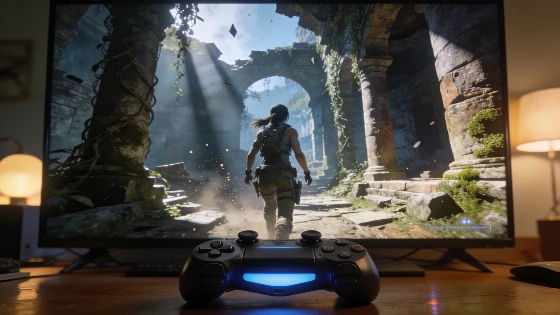
Tomb Raider: Legacy of Atlantis will reimagine the original game with a new skill tree, focus meter and herb brewing, as Flying Wild Hog and Crystal Dynamics confirm a February 2027 release after a recent delay
Tomb Raider: Legacy of Atlantis has been officially revealed as a reimagining of the franchise's 1996 debut, introducing a range of new gameplay systems and a revised release date. Developed by Flying Wild Hog in collaboration with Crystal Dynamics, the project aims to modernise the original adventure with mechanics inspired by recent entries in the series, while retaining the core identity of Lara Croft's earliest outing.
New Progression and Combat Features
The latest video presentation from the developers highlights several additions to the classic Tomb Raider formula. Legacy of Atlantis will feature an RPG-style skill tree, allowing players to exchange in-game artefacts for skill points. These points can be used to unlock weapon upgrades and ability improvements, such as reducing incoming damage or enhancing healing. The game also introduces herb collection and brewing, enabling players to craft temporary buffs for combat and exploration.
Another significant addition is the Focus system, a chargeable meter that builds as players deal or receive damage and dodge attacks. Once filled, Focus can be activated to slow time, giving Lara access to advanced acrobatic manoeuvres and a form of bullet time reminiscent of her original 1996 moveset. This system is designed to celebrate Lara's agility and provide more tactical options during encounters.
Development Status and Release Timing
Legacy of Atlantis is currently in active development, with Flying Wild Hog leading production and Crystal Dynamics providing franchise oversight. The game was initially expected sooner, but following a recent delay, it is now scheduled for release on 12 February 2027. This revised date was confirmed after the team cited the need for additional development time to refine the new systems and ensure a polished experience at launch.
Players can expect the game to launch across major platforms, though specific platform details have not yet been finalised. The announcement follows a trend of major franchise reimaginings, with developers seeking to balance nostalgia with modern gameplay expectations. Crystal Dynamics has also confirmed that Tomb Raider: Catalyst, an all-new entry, is planned for 2028.
Franchise Context and Player Reaction
The introduction of RPG elements and a focus meter marks a notable shift from the original Tomb Raider's more traditional action-adventure structure. While these changes are intended to appeal to contemporary players, some long-time fans have expressed concern that the series may be moving further from its roots. This tension between classic design and modern systems is not unique to Tomb Raider; as seen in other franchises, such as the recent addition of a single-player mission to the Modern Warfare 4 beta, developers are increasingly experimenting with established formulas to broaden appeal. For more on how major franchises are evolving their core gameplay, see the discussion of campaign integration in Modern Warfare 4's beta changes.
Despite some scepticism, the inclusion of a skill tree, herb brewing and the Focus system suggests a deliberate attempt to offer greater depth and replayability. However, the full impact of these features on the game's pacing and challenge will only become clear once hands-on impressions are available closer to release.
What Remains Unconfirmed
While the core gameplay systems have been outlined, several important details remain unannounced. The developers have not yet specified which platforms will receive Legacy of Atlantis, nor have they detailed the extent of graphical enhancements or accessibility options. Pricing, edition structure and pre-order incentives are also yet to be confirmed. With the release still over a year away, further updates are expected as development progresses and the game approaches certification.
For now, the available evidence points to a substantial reworking of the original Tomb Raider, with a clear emphasis on progression and player agency. Whether these changes will satisfy both new and returning players remains an open question until more comprehensive gameplay demonstrations are provided.
Remakes and reimaginings differ from remasters in that they typically involve rebuilding a game's systems, visuals and mechanics from the ground up, rather than simply enhancing resolution or performance. This approach allows developers to introduce new features and address design limitations of the original, but also carries the risk of alienating fans who prefer the classic experience. The balance between innovation and preservation is a recurring challenge for studios revisiting iconic titles.