
The Relic: First Guardian arrives with ambitions of dark fantasy action but faces criticism for technical instability, uneven localisation and design issues that undermine its combat and exploration systems
The Relic: First Guardian has launched as a new entry in the action RPG genre, aiming to capture the atmosphere and challenge of established dark fantasy titles. While the game draws clear inspiration from the likes of FromSoftware's catalogue, its release has been overshadowed by a range of technical and design shortcomings that have quickly become the focus of early player and critical attention.
Visuals and World Design
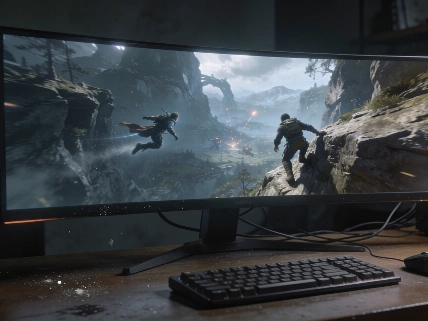
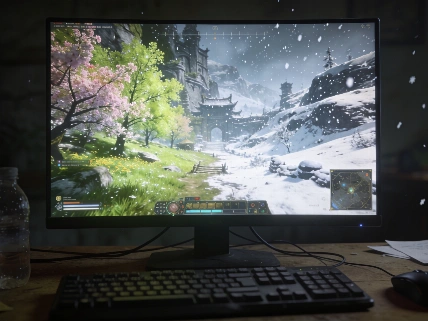
The game's visual presentation has been widely noted for its lack of polish. Character models are described as generic or unfinished, with faces lacking detail and a persistent low-resolution effect reminiscent of older bloom-heavy titles. The environments, though intended to evoke a ruined, haunted world, often repeat similar assets and colour filters, making regions difficult to distinguish beyond their dominant tints. Settlements and fortresses blend together, and the use of oppressive colour grading in certain areas can obscure important details, complicating navigation and diminishing the impact of the world's design.
Exploration is occasionally engaging, with moments of intrigue found in discovering new locations or following environmental clues. However, these are frequently undermined by technical issues such as getting stuck on geometry, falling through the world at checkpoints, or encountering inaccessible fast travel points. The world is dotted with loot markers, but most offer only small amounts of gold, and the abundance of low-value rewards quickly makes the process of collecting them feel unrewarding.
Narrative and Localisation
The Relic: First Guardian attempts to build its narrative through side quests and environmental storytelling, often relying on notes left by fallen characters. Many of these stories draw from Korean folklore and can be compelling, but the frequency and formulaic structure of these encounters-often culminating in boss fights-can make them feel repetitive. Some stories subvert expectations with more subtle or melancholic resolutions, but these are the exception rather than the rule.
Localisation quality is inconsistent, with dialogue and captions frequently mismatched and voice performances described as poor. The translation appears to lack the refinement needed for natural English dialogue, resulting in awkward phrasing and extended conversations that do not always align with the spoken lines. This undermines the emotional impact of the narrative and can make even routine interactions feel laboured.
Combat and Progression Systems
Combat is positioned as the game's strongest element, with five distinct weapon types and a timing-based combo system. Defensive actions consume stamina, encouraging aggressive play, but enemy reactions are inconsistent-most foes do not stagger reliably, and their stamina bars are hidden, making it difficult to judge when they are vulnerable. The lock-on system and camera controls are unreliable, especially in group encounters, leading to frustration rather than tactical depth.
Boss battles are more visually distinct and mechanically involved, with over 75 bosses included, most of them optional. However, these encounters are often affected by technical problems, including bosses failing to spawn or becoming unresponsive, and environmental hazards that feel unfair rather than challenging. Weapon skill trees offer customisation, but unlocking their full potential requires significant investment of rare points, limiting experimentation until late in the game. Equipment and relics provide passive bonuses and drawbacks, but their effects are not always clearly explained, and the absence of traditional stat progression or levelling further complicates build planning.
Technical Performance and Player Experience
The Relic: First Guardian's technical state at launch has been a major source of criticism. Players report frequent bugs, visual artefacts, and inconsistent performance that detract from both exploration and combat. Subtitles and visual quality issues are persistent, and the lack of polish extends to core systems such as inventory management and quest tracking. While some players may find enjoyment in the combat and occasional narrative moments, the overall experience is hampered by a lack of refinement and unresolved technical problems.
Across a typical playtime of 30 hours, players can expect to encounter hundreds of loot markers, dozens of side stories, and more than 75 boss encounters. However, the majority of rewards are limited to small amounts of gold, and progression is slowed by the scarcity of skill points and the absence of meaningful stat upgrades. These design choices, combined with technical instability, have led to widespread disappointment among those seeking a polished action RPG experience.
Understanding the difference between technical targets and delivered performance is crucial when assessing a new release. Many games launch with ambitious design goals and feature lists, but the actual player experience depends on the stability, responsiveness and clarity of core systems. In the case of The Relic: First Guardian, the gap between ambition and execution is most visible in its technical shortcomings and inconsistent localisation, which serve as a reminder that polish and reliability are as important as creative vision in delivering a satisfying action RPG.