
Square Enix once considered bypassing Final Fantasy 4 and moving directly to Final Fantasy 5, aiming to overtake Dragon Quest in the JRPG series count. The idea, discussed by senior developers, highlights a unique moment in franchise history
Square Enix's approach to the early 1990s JRPG rivalry nearly took an unexpected turn, as senior figures have revealed the publisher once debated skipping Final Fantasy 4 entirely. The plan, discussed internally at the time, would have seen the company jump straight to Final Fantasy 5, allowing the series to numerically surpass Dragon Quest, its main competitor in the genre. This strategy was considered as both series reached their fourth mainline entries, with Square Enix seeking a way to gain a perceived lead in the ongoing franchise race.
Behind the numbering strategy
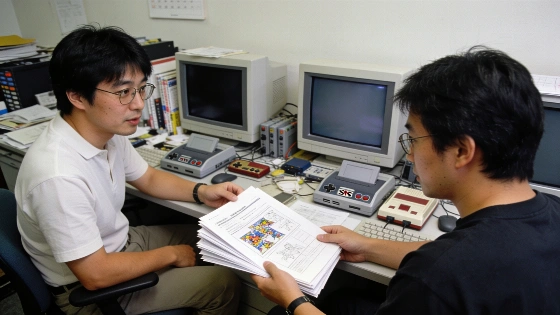
The discussion around skipping Final Fantasy 4 emerged as Square Enix transitioned development from the NES to the SNES. Takashi Tokita, who led Final Fantasy 4's development, and Yoshinori Kitase, both key figures in the series, have confirmed that the company's leadership floated the idea as a promotional move. At the time, Dragon Quest had launched its first entry a year before Final Fantasy, maintaining a consistent lead in release numbers. By potentially naming the next game Final Fantasy 5, Square Enix aimed to position its franchise ahead of Dragon Quest in the eyes of players and the wider market.
While the plan was ultimately abandoned, the conversation reflects the competitive atmosphere between the two JRPG giants. The decision to stick with the original numbering did not prevent later confusion, especially in North America, where Final Fantasy 4 was released as Final Fantasy 2 and Final Fantasy 6 as Final Fantasy 3. These unconventional naming choices have since become a notable part of the series' localisation history.
Development context and platform shift
The move from NES to SNES marked a significant technical leap for both franchises. For Square Enix, this transition was seen as an opportunity to close the gap with Dragon Quest, which had long been the company's flagship JRPG. Tokita's first major role as lead game designer coincided with this period, and the internal debate over the numbering strategy highlights how marketing and development decisions were closely intertwined. The SNES era brought new pressures but also the chance to redefine the series' position in the market.
Despite the temptation to accelerate the series' numbering, Square Enix ultimately released Final Fantasy 4 as planned. The game debuted on the SNES in 1991, introducing a more narrative-driven approach and technical improvements over its predecessors. Dragon Quest, meanwhile, continued its own release schedule, maintaining its status as the company's longest-running series.
Legacy of unconventional numbering
Although the idea to skip Final Fantasy 4 was never realised, Square Enix's willingness to consider such a move demonstrates the lengths to which publishers have gone to shape franchise perception. The North American releases of Final Fantasy 4 and 6 under different numbers contributed to decades of confusion among Western players, with the true sequence only clarified years later through re-releases and retrospective coverage.
Kitase has since reflected on the proposal as a "brilliant idea" in hindsight, though it remains a footnote in the series' history rather than a defining moment. The episode underscores how both development and marketing strategies have evolved, with modern releases now prioritising global consistency in naming and release timing.
Numbering in long-running game series can have a significant impact on player perception and franchise identity. In the 1980s and 1990s, regional differences in localisation often led to mismatched titles, causing confusion about the true order of releases. Today, publishers generally aim for unified global naming to avoid these issues, but the legacy of earlier decisions continues to shape how players remember and discuss classic franchises.