
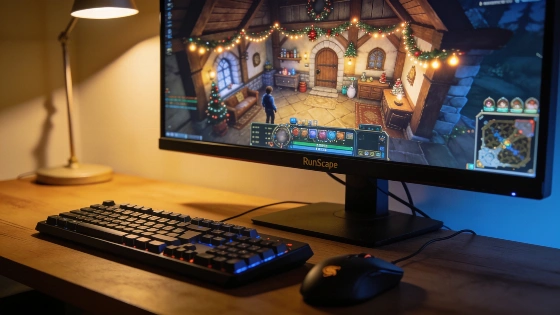
Jagex has reversed its decision to introduce consumable microtransaction cosmetics in RuneScape, moving to a permanent unlock model following immediate negative feedback from the player community
Jagex has rapidly changed course on a controversial microtransaction update for RuneScape, following a wave of negative player reaction. The studio initially introduced new player-owned house decoration bundles as consumable, one-time-use purchases, but reversed the decision within 24 hours, confirming that all such items will now be permanent unlocks after a single purchase.
Initial Microtransaction Rollout
On 3 August, Jagex announced a set of player-owned house decoration bundles for RuneScape, available through the in-game marketplace. Unlike previous cosmetic offerings, these bundles were designed as consumables, meaning each could be bought multiple times and used up, with items such as balloons included in the packs. The price for one bundle was set at the equivalent of $12 in RuneCoins, a premium currency. This approach drew immediate comparisons to earlier controversies in other live-service games, such as Destiny 2's consumable shaders, but with a more direct financial incentive for repeat purchases.
Player Response and Studio Reversal
The reaction from the RuneScape community was swift and overwhelmingly negative, particularly as the update followed a recent subscription price increase and previous promises from Jagex to make microtransactions less intrusive. Players voiced concerns that the new system contradicted the studio's stated direction and risked undermining trust. In response to the feedback, Jagex announced on 4 August that it would withdraw the repeat-purchase model. All party bundles will now be sold as permanent unlocks, and players who bought the same bundle multiple times will receive refunds for extra purchases. The updated bundles will include recipes for items that can be freely replicated in-game.
Clarification on Future Monetisation
Jagex has stated that the player-owned house marketplace remains an area of ongoing experimentation, but has now committed to a 'buy once, unlock forever' approach for future offerings. The studio clarified that per-item sales for player-owned house content will not be pursued, and that future updates will prioritise permanent unlocks over consumable purchases. This rapid reversal has prompted some players to question the studio's broader strategy and whether similar monetisation experiments could return in other forms.
Context Within Live-Service Gaming
The incident highlights the ongoing tension between live-service monetisation and player expectations, especially in established games with long-term communities. The speed of Jagex's response demonstrates the influence of player feedback on live-service decision-making, but also raises questions about how studios test new monetisation models. For comparison, other recent industry developments, such as the mature-rated Dark Sun expansion for Dungeons & Dragons, have also sparked debate about the boundaries of player-facing content and commercial strategy-see this recent coverage of Dungeons & Dragons' expansion plans for a parallel example of community scrutiny shaping publisher decisions.
Microtransactions in live-service games typically fall into two categories: consumable purchases, which are used up and must be bought again, and permanent unlocks, which grant lasting access to content after a single transaction. Consumable models can drive higher revenue but often provoke player backlash, especially when applied to cosmetic or decorative items. Permanent unlocks are generally viewed as more player-friendly, but may generate less ongoing revenue. The balance between these approaches remains a central challenge for developers operating in the live-service space.