
Xbox has announced a major restructure, cutting 3,200 jobs and parting ways with several studios. The company is now prioritising established franchises like Halo and Fallout, raising questions about the future of original game development
Xbox has initiated its largest organisational overhaul to date, resulting in significant job losses and a strategic shift away from supporting experimental studios. The move, announced by CEO Asha Sharma, will see the company concentrate resources on established intellectual properties such as Halo, Gears of War, and Fallout, while reducing investment in studios known for original or unconventional projects.
Major Lay-Offs and Studio Changes
The restructure will affect 3,200 employees, with 1,600 already having departed and further redundancies expected over the coming year. Four studios have been removed from the Xbox portfolio: Double Fine and Compulsion Games will return to independent status, while Ninja Theory and Undead Labs have been acquired by new owners. Arkane Lyon is also likely to be transferred or face closure, following the fate of its Austin counterpart. These changes mark a decisive end to the previous strategy of maintaining a diverse range of studios under the Xbox umbrella.
According to official statements, the decision was driven by financial performance and a reassessment of Xbox's role as a publisher. Sharma cited unsustainable losses, noting that Xbox lost 64 cents for every dollar invested in certain studios. The company's earlier approach, which aimed to fill Game Pass with a wide variety of titles-including niche and experimental games-has now been replaced by a focus on proven franchises.
Impact on Game Development and Franchises
This shift has immediate consequences for both ongoing projects and the future of new intellectual properties. Reports indicate that Obsidian's planned sequel to Avowed has been cancelled in favour of developing a new Fallout title. Meanwhile, Double Fine, known for its inventive catalogue, and Arkane Lyon, recognised for its world-building in games like Dishonored and Deathloop, will no longer benefit from Xbox's direct support. The loss of these studios raises concerns about the platform's ability to foster the next generation of standout games.
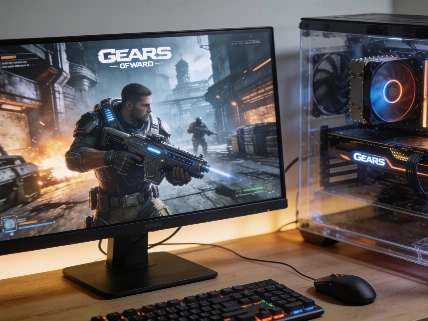
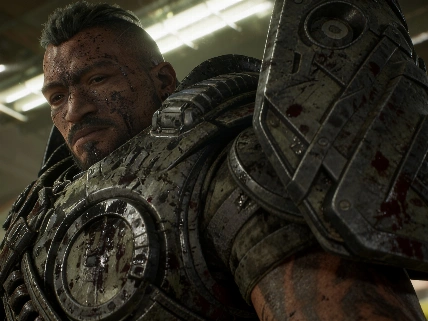
Xbox's renewed emphasis on legacy series comes at a time when some of its flagship franchises are facing creative stagnation. Halo's recent entries have struggled to recapture the impact of earlier releases, and Gears of War: E-Day is positioned as a return to familiar territory rather than a bold reinvention. The original creators of these series have largely moved on, leaving successors to work within established formulas. As a result, the risk of creative fatigue and diminishing returns is increasing.
Staff Reductions at Key Studios
The restructure has also led to substantial staff reductions at major development teams. Bethesda Game Studios, responsible for The Elder Scrolls and Fallout, has reportedly lost over 50 employees, with "as much as half" of The Elder Scrolls Online team affected. These cuts are expected to have a cascading effect on the development of The Elder Scrolls 6, potentially leading to delays and a loss of institutional knowledge. At id Software, the team behind Doom and Quake has been reduced to its 2016 size, prompting doubts about its capacity to deliver future entries in these franchises.
Sharma has described the new organisational model as streamlined and simplified, echoing approaches seen in the wider technology sector. However, this mentality has raised concerns among developers about the loss of long-term team cohesion and the erosion of creative culture. The departure of experienced staff and the fragmentation of established teams may undermine the quality and consistency of future releases.
What Remains Uncertain
While Xbox's commitment to its most recognisable franchises is clear, the long-term consequences for players and the broader gaming landscape remain uncertain. The company's ability to nurture new ideas and support risk-taking developers has been significantly reduced. With the incubation of original projects now deprioritised, it is unclear where the next breakout hit will come from within the Xbox ecosystem.
For players, the immediate effect will be a slate of releases dominated by familiar names, but with fewer opportunities for unexpected innovation. The fate of studios like Arkane Lyon and the future of creative experimentation on Xbox platforms will depend on whether the company revisits its approach or continues to double down on established properties.
In the context of game development, institutional knowledge and team stability are critical for delivering complex, high-quality titles. When studios experience large-scale lay-offs or are broken up, the loss of shared experience and established workflows can have a lasting impact on the games that follow. This is particularly relevant for long-running franchises, where continuity and creative evolution are essential for maintaining player interest and critical success.