
Xbox and PlayStation are both adjusting how they present multiplatform releases, with recent trailers and marketing materials focusing more on exclusivity and less on cross-platform availability
Xbox and PlayStation are both making notable changes to how they communicate the availability of their games across platforms, with recent marketing moves suggesting a renewed emphasis on exclusivity. This shift comes as both platform holders navigate a competitive landscape where platform identity and ecosystem retention are increasingly prioritised.
Recent Trailer Changes
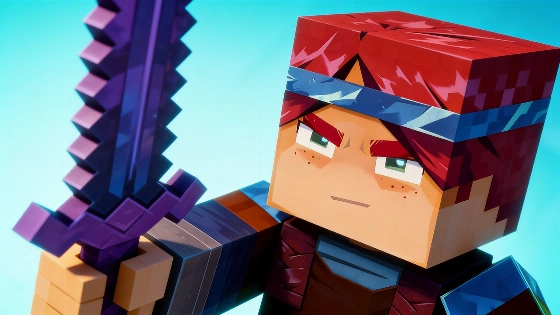
Xbox recently published a new trailer for Minecraft Dungeons II on its official YouTube channel, but unlike earlier trailers, this latest video omits any mention of PlayStation 5 or Nintendo Switch 2 versions. Previous trailers for the game, released in March and June, had clearly listed all intended platforms. The absence of rival platform logos in the latest footage suggests a deliberate move to foreground Xbox's own ecosystem, a strategy that appears to have intensified since Asha Sharma became CEO.
This approach is not isolated. Earlier in the year, reports indicated that Xbox halted a PlayStation 5 version of Gears of War: E-Day shortly before its reveal, with key art initially displaying a PS5 logo before it was removed. There were also claims that a trailer for Halo: Campaign Evolved was pulled from a PlayStation State of Play event, reportedly causing friction between the two companies. These developments point to a broader effort by Xbox to reinforce its brand and retain players within its own services.
PlayStation's Renewed Focus on Exclusivity
PlayStation, meanwhile, is also recalibrating its messaging. After several years of releasing major first-party single-player titles on PC, the company is now signalling a return to console exclusivity for its flagship games. Titles such as Ghost of Yōtei, Marvel's Wolverine, Astro Bot, Gran Turismo 7, Saros, and God of War Laufey have all been promoted as "PlayStation 5 exclusive" in recent advertising, with the "only on PlayStation" branding making a prominent comeback.
This marks a significant shift from the previous strategy, which saw PlayStation's story-driven games reach PC audiences. The new messaging is intended to assure players that these titles will not be ported to PC post-launch, echoing the approach taken during the PS1, PS2, and much of the PS3 and PS4 generations.
Uncertainty Around Future Multiplatform Releases
Despite these moves, Xbox's stance on exclusivity remains less clear-cut. While the company has committed to permanent exclusivity for Gears of War: E-Day and Clockwork Revolution, it has not provided definitive answers regarding other high-profile projects. Questions remain about whether The Elder Scrolls VI or the upcoming Fallout 3 and Fallout: New Vegas remasters will be available on PlayStation platforms or remain Xbox-only.
For context, the recent surge in interest around Gears of War: E-Day was reflected in its open beta, which set a new franchise record for concurrent Steam players, as detailed in NGB's coverage of the Gears of War: E-Day beta milestone. However, the long-term platform strategy for future Xbox titles remains unsettled, with the company's messaging still evolving.
Implications for Players and the Industry
These shifts in marketing and platform strategy have direct consequences for players deciding where to invest in hardware and digital libraries. For those who value access to the widest range of games, the renewed focus on exclusivity may influence future purchasing decisions. At the same time, the lack of clarity around certain titles' platform availability means that players may need to wait for further announcements before making long-term commitments.
As both Xbox and PlayStation adjust their approaches, the competitive dynamics of the console market are likely to remain fluid, with exclusivity once again becoming a central battleground for player attention and loyalty.
Platform exclusivity refers to the practice of releasing a game only on a specific console or ecosystem, often as a way to drive hardware sales and strengthen brand identity. While timed exclusivity allows for eventual release on other platforms, permanent exclusivity means a title remains locked to its original platform indefinitely. These strategies can shape player communities, influence purchasing decisions, and affect the long-term value of a gaming library. The current trend towards renewed exclusivity by both Xbox and PlayStation signals a return to a more segmented console landscape, where access to certain games is determined by hardware choice.
- Industry News Report
- Platform News Report
- PlayStation Platforms
- Xbox Platforms & Services
- Game Series
- Marvel’s Wolverine
- Ghost of Yōtei
- Halo: Campaign Evolved
- Gears of War: E-Day
- Saros
- Clockwork Revolution
- Minecraft Dungeons II
- Fallout 3 Remaster
- Fallout: New Vegas Remaster
- The Elder Scrolls VI
- Gran Turismo 7
- Astro Bot