
Indie developer Tomas Sala has argued that the upcoming GTA 6 launch will not threaten niche or independent games, suggesting that the blockbuster's audience is largely separate from players seeking smaller, genre-specific experiences
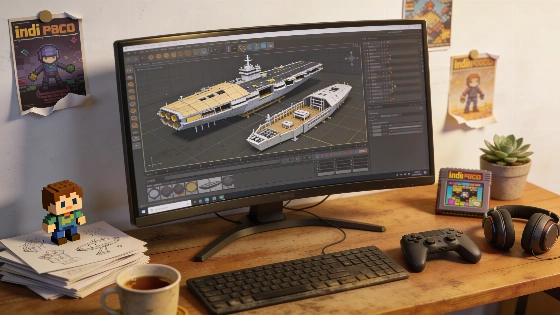
With the industry's attention fixed on the November 2026 release of Grand Theft Auto VI, many publishers and developers are adjusting their schedules to avoid direct competition. However, Tomas Sala, the creator behind The Falconeer and Bulwark: Falconeer Chronicles, has suggested that indie developers may be overestimating the risk posed by Rockstar's next blockbuster. Sala is preparing to launch ShipShaper, a ship-design sandbox, into early access on 2 September, and believes that the overlap between GTA 6's audience and players of niche indie titles is minimal.
Distinct Audiences for Blockbusters and Indies
Sala's perspective is rooted in the idea that major releases like GTA 6 attract a specific player base, one that is not typically drawn to experimental or genre-focused indie games. He points out that players interested in narrative-driven visual novels, management simulations, or creative sandboxes are unlikely to abandon those interests for a high-profile open-world crime game. This segmentation, he argues, means that the arrival of a major franchise entry does not automatically eclipse smaller projects.
Supporting this, a 2025 Circana survey found that only 4% of US players purchase a new game more than once a month, while a third buy less than one game per year. Sala suggests that these figures indicate most players are selective, and that the core GTA audience is not the same group seeking out indie releases.
Release Timing and Industry Response
Despite the widespread industry practice of moving release dates to avoid clashing with major launches, Sala chose to bring ShipShaper to early access just ahead of GTA 6's debut. He notes that while social media and gaming news will inevitably be dominated by Rockstar's release, this media saturation is not a new challenge for indie developers, who often struggle for coverage regardless of the blockbuster calendar.
Many successful indie games have found their audience through word of mouth, community engagement, and platform recommendations, rather than relying on mainstream media or influencer attention. Sala's approach reflects a belief that niche communities will continue to seek out the games that interest them, even during periods of heightened industry focus on a single title.
Sales Patterns and Long-Term Success
Looking at broader sales trends, some of the most-played titles on PlayStation 5, Xbox, and Steam remain games released several years ago, rather than the latest blockbusters. This suggests that player engagement is not solely driven by new releases, but by ongoing interest in established favourites and unique experiences. Sala's comments echo recent industry analysis, such as Take-Two's forecast on the future of streaming and blockbuster titles, which also highlights the diversity of player preferences and purchasing habits.
While the $100 Ultimate Edition of GTA 6 is reportedly outselling its standard counterpart, this trend is attributed to highly engaged fans rather than the broader gaming public. For indie developers, the key remains in identifying and reaching their specific audience, rather than attempting to compete directly with the largest franchises.
Indie Resilience in a Competitive Market
Sala's outlook is ultimately optimistic about the state of independent development. He acknowledges that the industry faces challenges, including economic pressures and shifting media attention, but maintains that the sheer variety and creativity of games being released marks a "golden age" for niche projects. The continued success of indie titles, even in the shadow of major launches, demonstrates the resilience and adaptability of smaller studios.
For developers considering their own release strategies, Sala's experience suggests that focusing on audience fit and long-term engagement may be more important than avoiding the calendar slots of industry giants. The evidence indicates that, while blockbuster releases dominate headlines, they do not necessarily dictate the fortunes of every other game on the market.
Understanding the concept of audience segmentation is crucial in the current gaming landscape. Major franchises like Grand Theft Auto attract vast, dedicated followings, but these do not encompass the full spectrum of player interests. Indie developers often thrive by serving specific communities and genres, building loyalty through unique gameplay, narrative, or mechanics. This separation allows for a diverse ecosystem where both blockbusters and niche titles can succeed without directly undermining each other's prospects.