
Nate Purkeypile, former Bethesda artist and Fallout 76 lead, has discussed the technical constraints that shaped Fallout 3 in 2008 and shared his hopes for a more faithful remaster as technology advances
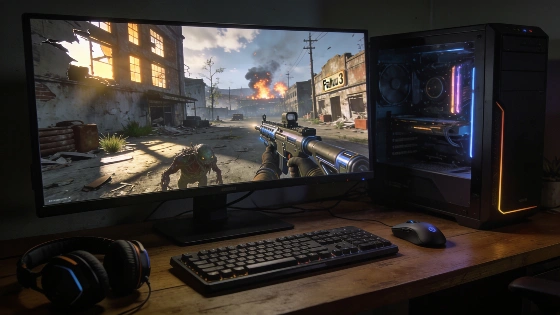
Fallout 3 is set to return in remastered form, and for those who worked on the original, the announcement brings a sense of unfinished business. Nate Purkeypile, who contributed to Fallout 3's art direction and later led Fallout 76, has spoken about the significant technical limitations that shaped the 2008 release. According to Purkeypile, the team's creative ambitions were often curtailed by the hardware and engine constraints of the time, leaving the final product less than what was originally intended.
Technical Constraints in 2008
When Fallout 3 launched, developers faced strict memory budgets, limited lighting options, and small texture sizes. These restrictions meant that environments could not be as detailed or atmospheric as the team had hoped. Purkeypile described a constant battle to fit assets within the available resources, with compromises made at every stage. The Creation Engine, which powered Fallout 3, was not yet capable of delivering the scale or fidelity that modern players now expect from open-world RPGs.
At the time, the industry was still debating whether video games constituted art, and development teams often worked long hours to achieve the best possible results within their means. The technical landscape was defined by engines like Unreal Engine 3, and 4K resolution was not yet a consideration. As a result, many creative ideas were left unrealised, and the final game reflected the realities of its era rather than the full vision of its creators.
Remastering With Modern Tools
With the upcoming Fallout 3 remaster, there is renewed optimism that the original vision can be more fully realised. Advances in hardware and game engines now allow for higher-resolution textures, more dynamic lighting, and richer environments. Purkeypile has pointed to recent remakes, such as the Resident Evil series, as examples of how modern remasters can go beyond simple graphical upgrades to deliver experiences that feel both authentic and contemporary.
He also noted that earlier remasters often relied on superficial improvements, such as upscaled textures or basic sharpening filters, which did little to address the underlying limitations. The hope for Fallout 3's remaster is that it will strike a balance between preserving the atmosphere of the original and leveraging today's technology to create a more immersive and competitive experience.
Industry Context and Player Expectations
The remaster arrives at a time when expectations for classic game updates are higher than ever. Players now look for meaningful enhancements that respect the source material while addressing the shortcomings of past hardware. The Fallout franchise, in particular, has a history of technical evolution, with each entry reflecting the capabilities of its generation. As seen with other major overhauls-such as the recent update to Blood Bowl 3, which was covered in detail in our report on Warhammer Blood Bowl's free upgrade-the industry is moving towards remasters that offer more than cosmetic changes.
While Bethesda has not yet detailed the full scope of the Fallout 3 remaster, the involvement of developers familiar with the original's constraints suggests a focus on authenticity and technical improvement. The remaster's success will likely depend on how well it reconciles the ambitions of 2008 with the standards of 2026, delivering an experience that feels both true to its roots and relevant to modern players.
Remasters differ from remakes in that they typically update the original game's assets and performance for new hardware, rather than rebuilding the experience from scratch. A well-executed remaster can address technical shortcomings-such as low-resolution textures, limited lighting, or frame-rate caps-while preserving the core gameplay and narrative. For players, this means the opportunity to revisit classic titles with improved visuals and performance, without losing the essence that made the original memorable.