
Microsoft has officially raised the price of Xbox Series X and S consoles in the UK and mainland Europe, with some models now costing nearly 50% more than their original launch price. The move comes amid ongoing hardware cost pressures and industry-wide component shortages
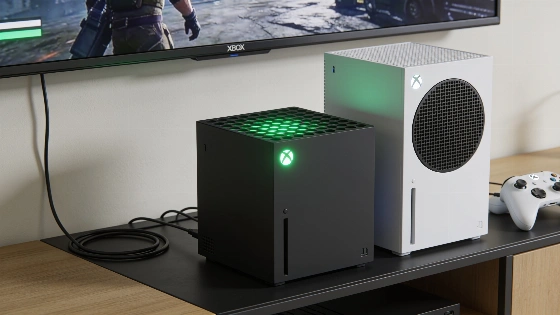
Microsoft has enacted significant price increases for its Xbox Series X and S consoles in the UK and across mainland Europe, confirming a move that was first signalled earlier this year. The new pricing structure means that both digital and disc-based models now cost substantially more than at launch, with the largest jumps seen in the UK and eurozone. The company attributes these changes to rising component and storage costs, which have affected the entire consumer electronics sector.
Steep Price Rises Detailed
The revised pricing sees the Xbox Series S (512GB) rise from £299.99 to £429.99 in the UK, while the 1TB Series S moves from £349.99 to £519.99. The Xbox Series X (1TB, Digital) now costs £619.99, up from £449.99, and the 1TB Disc model has increased from £499.99 to £669.99. In mainland Europe, the 512GB Series S jumps from €349.99 to €499.99, the 1TB Series S from €399.99 to €599.99, the Series X (1TB, Digital) from €549.99 to €749.99, and the Series X (1TB, Disc) from €599.99 to €799.99. These increases represent up to a 48% rise for certain models compared to their original retail prices.
In the United States, the price hikes are less severe but still notable, with the 512GB Series S now at $499.99 (up from $399.99) and the 1TB Series S at $599.99 (previously $449.99). The 2TB model has been discontinued, reportedly due to its projected cost exceeding what Microsoft considers viable for the market.
Industry Pressures and Player Impact
Microsoft has cited a more than 2.5x increase in storage and memory costs as a key driver behind the new pricing, with further rises expected by late 2027. The company notes that consoles are typically sold at or below manufacturing cost, unlike many other consumer electronics. The ongoing global components shortage, exacerbated by the AI hardware boom, has made it increasingly difficult for manufacturers to source affordable parts and maintain previous pricing structures.
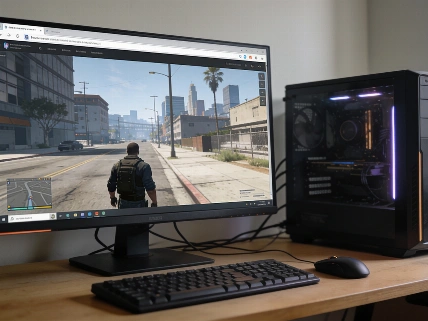
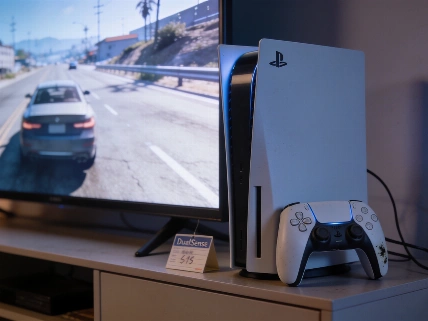
These price changes arrive just ahead of the highly anticipated release of Grand Theft Auto VI, which is expected to drive demand for both PlayStation 5 and Xbox Series X/S hardware. However, there are concerns that neither Microsoft nor Sony will be able to meet the resulting surge in demand, given the current supply chain constraints.
Wider Market Context
The current generation of consoles has seen price increases rather than the usual reductions over time. Sony raised the price of PlayStation 5 consoles earlier in the year, also citing global economic pressures. Nintendo has acknowledged plans to increase the price of its upcoming Switch 2, and Valve has publicly discussed the challenge of releasing hardware like the Steam Machine at previously targeted price points. The trend reflects a broader shift in the industry, where rising costs are being passed on to consumers rather than absorbed by manufacturers.
Earlier this year, Xbox CEO Asha Sharma suggested that the escalating cost of console hardware may force the industry to adopt radically different business models in the future, as the traditional approach of selling consoles at a loss becomes increasingly unsustainable for mass-market audiences.
Player Reactions and Previous Developments
Player response to the new pricing has been vocal, with many expressing frustration at the scale of the increases and questioning the value proposition of current-generation hardware. Some have pointed out that the Series S 1TB now costs more than the Series X did at launch, while others have highlighted the challenge of justifying nearly £700 for a console. The debate echoes recent developments in the Xbox ecosystem, such as Microsoft's move to test ad-supported game streaming without gameplay interruptions, as reported in NGB's coverage of Microsoft's ad-supported streaming trial. These shifts suggest that both pricing and access models are in flux as the industry adapts to new economic realities.
Console pricing is a complex issue shaped by manufacturing costs, component availability, and broader economic factors. Unlike many other electronics, consoles are often sold at a loss to build a player base, with profits recouped through software and services. As hardware costs rise and supply chains remain volatile, players can expect further changes to both pricing and the ways in which consoles are sold and accessed in the years ahead.