
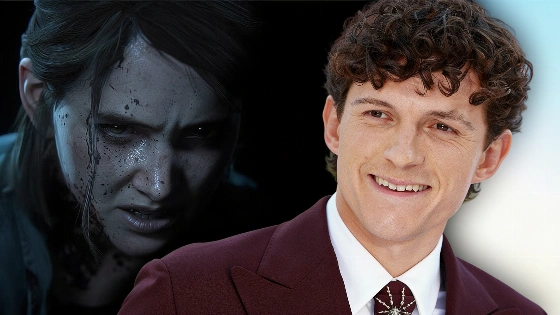
Tom Holland has identified The Last of Us Part 2 as his favourite game but says he is deliberately avoiding the HBO series adaptation due to his strong attachment to the original game experience
Tom Holland, best known for his role as Spider-Man, has publicly stated that The Last of Us Part 2 is his favourite video game. Despite the popularity of the HBO television adaptation, Holland has chosen not to watch the series, citing his deep appreciation for the game itself as the reason for his decision.
Holland's Gaming Preferences
During a recent interview, Holland was asked to name his favourite game and responded without hesitation, selecting The Last of Us Part 2. He explained that while he does not consider himself a frequent gamer, the impact of Naughty Dog's sequel was significant enough to stand out among his limited gaming experiences. Holland also mentioned his respect for Insomniac's Spider-Man games, noting that some of their signature moves influenced his performance in Spider-Man: Brand New Day.
Holland's reluctance to watch the HBO adaptation stems from his desire to preserve his personal connection to the game's narrative and characters. He indicated that the emotional weight and storytelling of The Last of Us Part 2 left a lasting impression, making him cautious about experiencing the story in a different medium.
Divided Reception for Game and Series
The Last of Us Part 2 was released in June 2020 for PlayStation 4 and quickly became one of the most discussed titles of its generation. The game's narrative choices, particularly those involving Joel and the introduction of Abby, sparked considerable debate among players. While the first season of the HBO series was generally well received, the second season has proven more divisive, with some viewers criticising the pacing and changes to Ellie's characterisation compared to the game.
In the game, Ellie's journey is marked by a consuming drive for revenge, which shapes the tone and direction of the story. The television adaptation, however, has been accused by some fans of softening these elements, resulting in a portrayal of Ellie that feels less conflicted and intense. This divergence has contributed to ongoing discussion about the challenges of adapting complex game narratives for television.
Development and Franchise Future
The Last of Us television series is currently in production for its third season, which is expected to be its final chapter. Although no official premiere date has been announced, industry estimates suggest a likely release in 2027. Notably, Neil Druckmann, who served as writer, director and showrunner for the series, has stepped away from the project during season three's development to focus on his next game, Intergalactic: The Heretic Prophet.
The Last of Us franchise remains a major presence in PlayStation's portfolio, with both games and the television adaptation drawing significant attention. The series' ongoing evolution highlights the complexities of translating interactive storytelling into linear formats, a challenge also faced by other major franchises. For example, storage requirements and adaptation choices have become central topics for players, as seen in Square Enix's recent announcement about Final Fantasy 14's storage demands for Switch 2, detailed in this coverage of Final Fantasy 14's Switch 2 release.
As for Holland, his comments reflect a broader trend among players who form strong attachments to original game experiences and may be hesitant to engage with adaptations that reinterpret beloved stories.
When a game is adapted for television or film, the process often involves significant changes to pacing, characterisation and narrative structure. Unlike games, which allow players to influence the story through their actions, television adaptations must condense complex plots into a fixed format. This can lead to differences in tone and emphasis, as seen with The Last of Us, and is a key reason why some players prefer to keep their experience of the original game separate from its adaptations.