
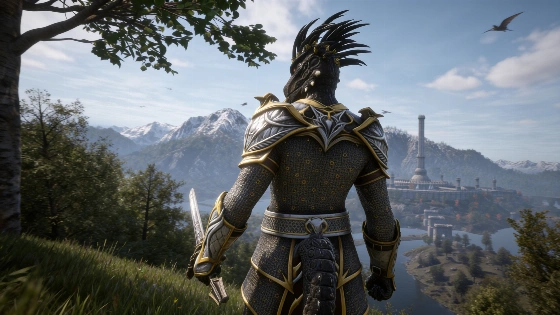
The Elder Scrolls IV: Oblivion marked a milestone for the Xbox 360 and HD gaming, with its review process involving an intensive four-day session at Bethesda. We revisit how this RPG set new standards and what it meant for early adopters
When The Elder Scrolls IV: Oblivion finally arrived in 2006, it was more than just another RPG launch-it was a defining moment for the Xbox 360 and the start of the so-called HD Era for console gaming. Oblivion was originally planned as a launch title for Microsoft's new system, but a delay pushed its release to March, heightening anticipation among players eager for a true next-generation experience. The game's simultaneous launch on PC and Xbox 360 meant it was positioned to reach a broad audience, but it was the console version that became a showcase for what HD gaming could deliver at home.
Reviewing Under Pressure
Oblivion's review process was as ambitious as the game itself. To meet magazine deadlines and provide a thorough verdict, the reviewer was given exclusive access to a near-final build at Bethesda Game Studios' Maryland office. Over four days, the reviewer played for a total of 44 hours, averaging around 11 hours per day, in a dedicated conference room equipped with an Xbox 360 development kit and a large television. Meals were brought in, and breaks were kept brief to maximise time in the game's world of Cyrodiil. This approach allowed for deep exploration of the main quest, side content, and the game's much-touted living NPC systems, which were a technical leap at the time.
The review period was intense but focused, with the reviewer able to complete the main storyline, join factions like the Dark Brotherhood, and experiment with the game's open-ended systems. Notably, the experience included discovering rare content such as a unicorn mount, highlighting the breadth of the game's world. The only significant drawback was the need to restart progress once retail copies became available, but the reviewer reportedly invested over 125 additional hours post-launch, engaging with every expansion and downloadable content released.
Oblivion's Technical and Design Impact
Oblivion's arrival coincided with a major shift in console technology. The Xbox 360's move from standard definition (640x480) to high definition (1280x720) was a substantial leap, making games look sharper and more detailed than ever before. Oblivion's visuals, orchestral score, and dynamic NPC routines set new expectations for open-world RPGs on consoles. The game's AI-driven characters followed daily schedules, creating a sense of a living world that was rare at the time. These features, combined with the scale of Cyrodiil and the freedom to approach quests in multiple ways, helped establish Oblivion as a benchmark for the genre.
For many players, Oblivion was the reason to invest in an Xbox 360 early. Its technical achievements were matched by its ambition, offering hundreds of hours of content and a world that felt reactive and alive. The game's influence can still be seen in later RPGs, both from Bethesda and other studios, as developers continue to build on the systems and design philosophies introduced here.
Legacy and Player Memories
Oblivion's legacy is not just technical but emotional. For those who experienced it at launch, the game represents a moment when console RPGs reached new heights of immersion and possibility. The reviewer's marathon session at Bethesda became a story in itself, emblematic of the lengths required to cover such a vast game in the pre-streaming era. The game's remaster, released in 2025, has allowed a new generation to revisit Cyrodiil with updated visuals and performance, ensuring its continued relevance.
Oblivion's place in gaming history is often discussed alongside other landmark releases. For example, the impact of The Witcher 3: Wild Hunt and its expansions, as highlighted in our coverage of major gamescom reveals, demonstrates how the RPG genre has continued to evolve while drawing inspiration from earlier milestones like Oblivion. See our analysis of recent RPG showcases at this gamescom feature for further context on how the genre's standards have shifted.
What Remains Uncertain
While Oblivion's influence is secure, questions remain about whether future entries in The Elder Scrolls series can recapture the same sense of discovery and technical progress. The Elder Scrolls VI has been announced but remains without a confirmed release date or detailed gameplay demonstration. Players continue to hope that the next chapter will build on Oblivion's legacy, but until more concrete information emerges, its status as a genre-defining RPG remains unchallenged.
Understanding the difference between a review build and the final retail version is crucial for players following pre-release coverage. Review builds are typically near-final but may lack day-one patches or last-minute content changes. This means that early reviews, especially those conducted under embargo or in controlled environments, might not reflect the exact experience players receive at launch. As a result, post-launch updates and community feedback often play a significant role in shaping a game's long-term reputation and technical stability.