

The Blood of Dawnwalker brings a fresh approach to open-world RPGs with its inventive day and night mechanics, branching narrative, and a time-limited quest structure that challenges player decisions throughout the campaign
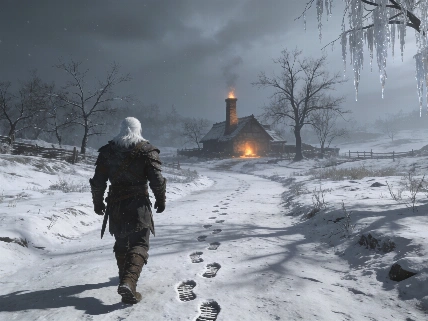
The Blood of Dawnwalker has emerged as a notable entry in the open-world RPG genre, blending familiar dark fantasy elements with a distinctive day and night system that directly shapes gameplay. Developed by a team including former The Witcher 3: Wild Hunt staff, the game places players in the role of Coen of Laslea, a protagonist whose transformation into a Dawnwalker-human by day, vampire by night-forms the core of both the narrative and mechanics. This duality is not just cosmetic; it fundamentally alters how players interact with the world, approach combat, and make choices that ripple through the story.
Day and Night Mechanics
Central to The Blood of Dawnwalker is its time-based structure. Each in-game day is split between human and vampire forms, with abilities, vulnerabilities, and available actions shifting accordingly. As a human, players rely on traditional healing items, swordplay, and spellcasting, while the vampire form unlocks supernatural movement, blood-based healing, and unique traversal options such as wall-walking and smoke teleportation. This system requires players to maintain two separate builds, encouraging experimentation and strategic planning as the world and its inhabitants respond differently depending on the time of day and the protagonist's current form.
The time limit imposed on the main quest-30 in-game days to confront the antagonist Brencis-adds a layer of urgency rarely seen in open-world RPGs. Every significant action, from training skills to completing side quests, consumes a portion of this finite resource. This design forces players to weigh the consequences of their choices, often leaving some storylines unresolved in favour of pursuing more critical objectives. The result is a campaign that feels both tense and replayable, with multiple endings and branching paths depending on the player's priorities and actions.
Combat and Character Progression
Combat in The Blood of Dawnwalker stands out for its directional parry system, which demands precise timing and attention to enemy attack patterns. Unlike many action RPGs, simply blocking is rarely sufficient, especially at higher difficulties where stamina management and counterattacks become essential. The game's approach is reminiscent of titles like For Honor, rewarding players who master its rhythm and mechanics. Each form-human and vampire-offers distinct combat styles, with the former favouring spells and weapons, and the latter focusing on claws, feeding mechanics, and enhanced mobility.
Character progression is closely tied to the day and night cycle, as players must develop and optimise two separate sets of equipment, abilities, and stats. This dual progression system not only deepens customisation but also ensures that combat and exploration remain varied throughout the campaign. While the lock-on system and camera occasionally present frustrations, and some enemy types are overrepresented, the overall combat experience is robust and satisfying once the learning curve is overcome.
Narrative Structure and Replayability
The narrative in The Blood of Dawnwalker is driven by a cast of well-realised characters, each with their own motivations and moral ambiguities. The world of Vale Sangora is dense with secrets, side stories, and philosophical debates about the nature of power and monstrosity. Player choices-both major and minor-can lead to drastically different outcomes, including the possibility of missing entire story arcs or encountering unexpected consequences based on the protagonist's form and timing of interactions.
With a main campaign estimated at around 40 hours, the game's structure encourages multiple playthroughs to uncover all possible endings and narrative branches. The time-limited design means that no single run will reveal every secret or resolve every subplot, making replayability a core feature rather than an afterthought. This approach is consistent with trends in modern RPGs, where player agency and consequence are increasingly foregrounded.
Technical Performance and Platform Context
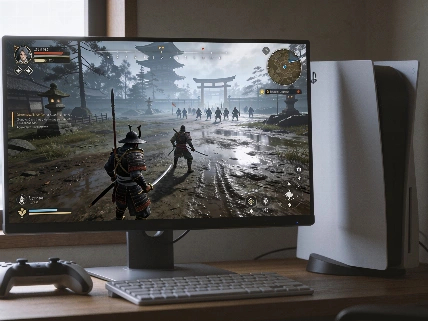
On PlayStation 5, The Blood of Dawnwalker generally delivers stable performance, with only occasional frame-rate drops, minor camera clipping, and infrequent visual glitches such as blurry textures. Notably, the version tested did not include the recently announced 60fps performance mode, so the experience was limited to a 30fps quality mode. Despite these limitations, the game remained stable, with no major crashes or broken questlines reported during the review period. These technical results place it ahead of many recent open-world RPG launches, where instability and severe bugs have often marred initial impressions.
The game's technical design and time-limited quest structure set it apart from other recent RPGs, offering a focused experience that rewards careful planning and adaptability. For players interested in branching narratives and meaningful consequences, The Blood of Dawnwalker stands as a strong example of how time management can be integrated into open-world design. This approach echoes the growing appetite for inventive RPG mechanics, as seen in other genre entries like Cassette Beasts, which recently received a release window update covered in our report on upcoming RPG launches.
Understanding the impact of time-limited mechanics in RPGs is essential for appreciating The Blood of Dawnwalker's design. Unlike traditional open-world games that allow players to complete every side quest at their leisure, a finite time resource forces prioritisation and compromise. This structure not only increases tension but also enhances replay value, as each decision can close off or open new narrative possibilities. For players seeking a more dynamic and consequential RPG experience, this system offers a compelling alternative to the genre's usual formula.