
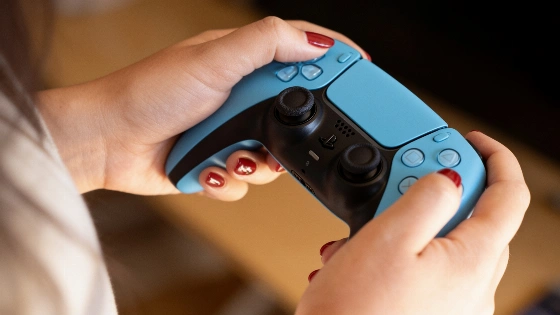
Sony's September 2026 State of Play delivered new trailers, gameplay footage and updates from PlayStation Studios and third-party partners, with a dedicated Japan-focused broadcast following immediately after the main event
Final Fantasy VII remake trilogy's concluding chapter, Revelation, seized the spotlight as Sony's September 2026 State of Play broadcast delivered its most substantial gameplay showcase to date. The event, streamed globally from 6am PT on 3 September, was structured as a double feature: a mainline State of Play focused on PlayStation Studios and key partners, immediately followed by a Japan-centric presentation highlighting Asian studios.
Headline Reveals and Gameplay
Revelation's extended gameplay segment provided the clearest look yet at the trilogy's finale, confirming the project's continued focus on cinematic presentation and real-time combat. While the footage was edited for broadcast, it demonstrated new environments, party mechanics and a selection of boss encounters, though the build's platform and performance targets were not specified. The broadcast also included new trailers and updates for a range of first- and third-party titles, with speculation centring on the long-absent Intergalactic: The Heretic Prophet from Naughty Dog, which many expected to re-emerge after a period of silence.
Other PlayStation Studios with notable absences in recent years-such as Media Molecule and Bend Studio-were the subject of renewed attention, though neither studio's next project was formally revealed during the stream. Firesprite's Until Dawn 2 and Haven Studios' Fairgame were also discussed in the run-up, but only Fairgame received a brief mention, with no new gameplay or release information provided. Sony's live-service ambitions, previously called into question after setbacks, were not a central focus, despite Fairgame's continued presence on the slate.
Japan-Focused State of Play
The second half of the broadcast shifted attention to Japanese and Asian studios, offering a series of new gameplay clips and announcements tailored to the region. While the segment included several world premieres and updates for regionally developed titles, the majority of footage was tightly edited and did not confirm platform-specific features or release dates. The Japan-focused State of Play reinforced Sony's ongoing commitment to its domestic development partners, but stopped short of announcing any major new hardware or platform initiatives.
For viewers tracking the event's structure, Sony's decision to run two State of Play broadcasts back-to-back was previously reported earlier, with the company promising a blend of global and regional content. The dual format allowed for a broader range of announcements, but also meant that some anticipated updates-particularly from Western studios-remained absent.
Release Windows and Unanswered Questions
Despite the volume of trailers and gameplay footage, concrete release dates were scarce. Revelation remains without a confirmed launch window, and several highlighted projects-including Intergalactic: The Heretic Prophet-were shown only in passing or not at all. No new hardware was announced, and Sony did not provide updates on previously rumoured platform features or live-service expansions. The lack of detailed scheduling information leaves players with more questions than answers regarding the timing of major releases.
One measurable detail: the main State of Play broadcast ran for approximately 45 minutes, with the Japan-focused segment adding a further 30 minutes of content. Both streams were available globally, with simultaneous translation for key announcements, but no region-specific release dates or pricing were disclosed for any of the featured titles.
Editorial Assessment
Sony's September 2026 State of Play delivered a familiar blend of cinematic trailers and curated gameplay, but the absence of hard release dates and the limited presence of long-silent studios undercut the event's impact. While Revelation's showcase will satisfy fans eager for a glimpse of the trilogy's conclusion, the lack of platform-specific technical detail and the omission of several anticipated projects suggest a cautious approach to public commitments. Sony's decision to split the broadcast between global and Japan-focused content broadened the event's reach, but also diluted the sense of momentum for Western audiences. Until PlayStation Studios provide firmer timelines and more transparent development updates, players are left navigating a landscape of polished footage and open questions rather than concrete release plans.
Understanding the difference between cinematic trailers and genuine gameplay footage is essential for interpreting events like State of Play. Cinematic trailers are often pre-rendered or heavily edited, designed to showcase narrative and visual ambition rather than actual play experience. In contrast, gameplay footage-when clearly identified-offers a more accurate sense of mechanics, pacing and technical performance. However, even gameplay segments in official broadcasts may be captured from non-final builds or edited for presentation, meaning that platform, resolution and frame-rate details are not always representative of the final product. Players should remain attentive to these distinctions when evaluating what has truly been confirmed during showcase events.