
Wizards of the Coast has unveiled three new cards from The Hobbit crossover set for Magic: The Gathering, confirming release dates for both paper and digital platforms and highlighting the set's focus on Middle-earth themes
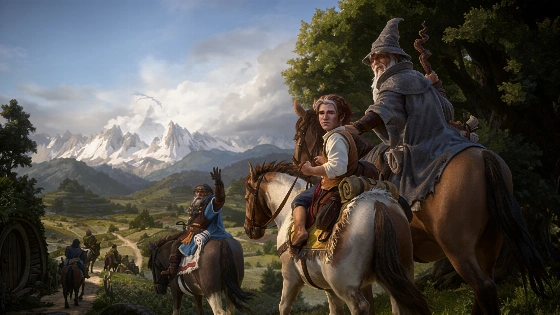
Magic: The Gathering is returning to Middle-earth with a new Universes Beyond set based on The Hobbit, following the commercial success of last year's The Lord of the Rings crossover. Wizards of the Coast has now revealed the first three cards from the upcoming set, offering a glimpse at how the prequel's characters and themes will be adapted for Magic's established mechanics and formats.
First Cards and Set Structure
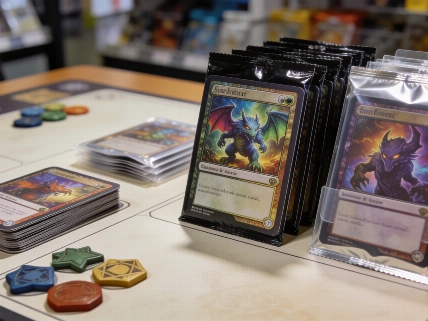
The initial preview includes three uncommon cards: Nasty Little Rabbit, Fearsome Goblin Pair, and Thror's Map. All three will be part of the main set and are legal in both Standard and Commander formats. Uncommon cards in Magic typically play a significant role in Limited formats such as Draft and Sealed, where their abilities and synergies can shape the flow of prerelease events and casual play.
Nasty Little Rabbit is designed to support green Draft strategies that reward players for controlling creatures with four or more power, providing early-game value that can scale as matches progress. Fearsome Goblin Pair, meanwhile, reinforces the red-black goblin theme and leverages the "amass" mechanic to build a growing goblin army. Thror's Map stands out as a legendary colourless artifact, offering land search on entry and a repeatable draw-and-discard effect each turn-a nod to the classic "looting" mechanic and the narrative importance of maps in Tolkien's world.
Release Dates and Platform Availability
The Hobbit set is scheduled for a staggered launch across platforms. Prerelease events will begin at local game stores on 7 August 2026, with digital versions arriving on MTG Arena and MTGO on 11 August. The full paper release is set for 14 August. This approach mirrors the rollout of previous Universes Beyond sets, aiming to maximise both in-store and online engagement.
Wizards of the Coast continues to expand its Universes Beyond initiative, which has already included crossovers with Marvel, Teenage Mutant Ninja Turtles, and Avatar: The Last Airbender. A Star Trek set is also planned for later this year, reflecting the publisher's strategy of integrating major pop-culture properties into Magic's ecosystem. For context, the challenges of managing ambitious crossover projects and their impact on player communities have been discussed in other recent industry reports, such as the analysis of Xbox Game Pass's evolving business model.
Gameplay Implications and Card Design
While the three previewed cards are unlikely to reshape competitive Magic, they are tailored to enhance Limited play and thematic deckbuilding. Thror's Map, in particular, may find a niche in Commander decks that benefit from repeatable card filtering and land access, though its power level appears balanced for casual formats. The set's design continues Magic's trend of adapting iconic fantasy elements into established gameplay systems, with an emphasis on flavour and mechanical synergy rather than raw power.
It is worth noting that the previous Lord of the Rings set encountered controversy earlier this year when a reprint of the One Ring card was found to contain elements that were potentially plagiarised, prompting discussion about artistic integrity in crossover products. Wizards of the Coast has not indicated any similar issues with The Hobbit set at this stage.
What Remains Unconfirmed
Full details of The Hobbit set's card list, mechanics, and special editions have yet to be released. Wizards of the Coast has not confirmed whether the set will introduce new gameplay systems or revisit mechanics unique to The Lord of the Rings crossover. Pricing, pre-order bonuses, and the extent of digital-client support are also expected to be clarified closer to launch. Players interested in early access should monitor official channels for updates on prerelease kit availability and event registration.
In Magic: The Gathering, Limited formats such as Draft and Sealed rely heavily on the pool of available uncommon cards, which often define the set's core strategies and archetypes. Unlike Constructed formats, where players build decks from their entire collection, Limited play requires adapting to the cards opened during the event, making the design and balance of uncommons especially important for a satisfying gameplay experience.