
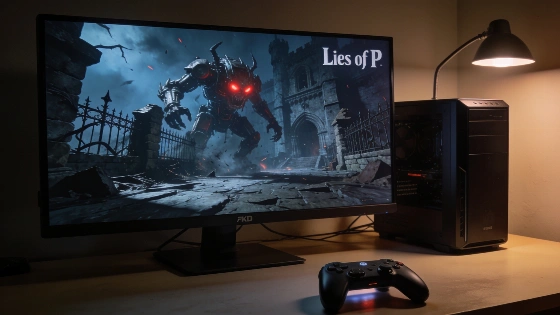
Lies of P's developers have revealed the internal debate behind adding easier difficulty settings, and how player feedback is shaping the direction and expectations for the sequel
Lies of P, widely regarded as one of the most accomplished Soulslike games outside FromSoftware's own catalogue, has undergone a notable shift in its approach to difficulty. The game, developed by Nough Studio, originally launched with a fixed challenge level, but later introduced two easier difficulty settings following sustained player feedback and internal testing. This change, implemented after the release of the Lies of P: Overture expansion, has sparked renewed discussion about accessibility and the evolving expectations for the series' future.
Why Difficulty Became a Focus
During a recent behind-the-scenes documentary, Nough Studio's combat team explained that the decision to add easier modes was not taken lightly. Initially, all developers were required to complete a full playthrough on the standard difficulty during internal "Game Days". While experienced combat designers managed the challenge, less mechanically skilled team members struggled to progress, with many unable to reach the halfway point before time ran out. This internal bottleneck highlighted the need for broader accessibility, prompting the studio to introduce lower difficulty options so that every developer could experience the full game loop.
Once these settings were in place, the studio reported a marked increase in positive feedback from both staff and players. The addition of easier modes, while controversial among some genre purists, was ultimately seen as a practical step to ensure more players could engage with the entire narrative and mechanical arc of Lies of P.
Community Reaction and Genre Tensions
The Soulslike community is known for its strong opinions on difficulty, with many players viewing adjustable challenge as antithetical to the genre's core identity. The introduction of two easier settings in Lies of P was met with a mix of appreciation and resistance, reflecting ongoing debates about accessibility versus tradition. Nough Studio's willingness to adapt, however, has been interpreted by some as a sign of the genre's gradual evolution, especially as more mainstream players seek entry points into notoriously punishing experiences.
It is worth noting that the studio's approach mirrors broader industry trends, where accessibility features and difficulty options are increasingly standard. This shift is not without precedent; other high-profile releases have faced similar scrutiny when adjusting their approach to challenge, as seen in the recent debate over paywalled content for major franchises such as Grand Theft Auto 6's extended look on Netflix.
Implications for the Sequel
With Lies of P's sequel now in development, Nough Studio has acknowledged a heightened sense of pressure to deliver an experience that both respects the series' roots and responds to a broader player base. The studio has not yet detailed specific features or release timing for the follow-up, but has indicated that player feedback on difficulty and accessibility will play a significant role in shaping the sequel's design philosophy. The challenge lies in balancing the expectations of long-time Soulslike fans with the realities of a growing and more diverse audience.
At present, no platforms or release window have been officially confirmed for the next Lies of P entry. The studio's openness about its internal process suggests that further updates will be forthcoming as development progresses, but players should expect ongoing debate about how best to define challenge and accessibility in the evolving Soulslike landscape.
Difficulty settings in action RPGs and Soulslikes have become a focal point for both developers and players. While fixed difficulty can reinforce a game's intended pacing and sense of achievement, adjustable modes allow a wider range of players to experience the full breadth of content. The debate often centres on whether accessibility features dilute the intended experience or simply broaden its reach. As more studios experiment with these options, the conversation is likely to remain central to the genre's future direction.