
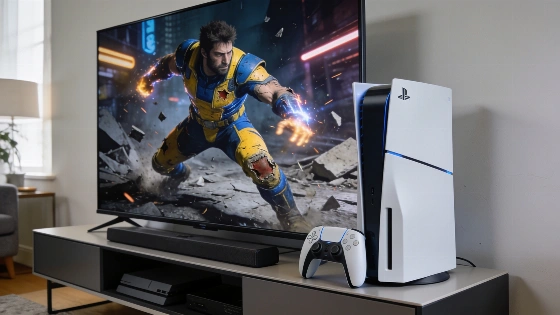
Insomniac Games has addressed community questions about Marvel's Wolverine, explaining why Logan's suit appears to heal alongside his body in recent gameplay footage and how this decision balances visual impact with gameplay practicality
Following the June State of Play, Marvel's Wolverine has drawn attention for a detail in its gameplay reveal: Logan's suit appears to regenerate damage in real time, mirroring his own healing factor. This visual choice has sparked debate among players, with some questioning the logic behind a self-repairing costume and others speculating about possible in-universe explanations.
Developer Rationale
Insomniac Games has now clarified the reasoning behind this design. Rather than relying on deep Marvel lore or introducing new narrative devices, the studio aimed to strike a balance between the brutality of Wolverine's combat and the need for visual consistency throughout extended play sessions. The developers explained that leaving Logan in tattered clothing for long stretches would undermine the sense of power and cinematic presence they want to maintain, especially during key story moments.
Early builds reportedly left Wolverine's suit shredded for much of a mission, which the team found detracted from the intended player experience. As a result, Insomniac implemented a system that allows the suit to reflect damage during combat but restores it at appropriate intervals, ensuring that the visual storytelling remains coherent without forcing players to spend hours in rags.
Technical Approach to Suit Damage
Despite the suit's ability to heal, Insomniac has invested in a detailed damage system for both Logan and his enemies. The studio developed a pipeline that tracks and displays suit damage dynamically, with visible effects that respond to the intensity and type of combat. This includes not only rips and tears but also advanced fluid simulation for blood effects, which interact with the environment-such as leaving splatter marks on the ground or washing away in water.
These technical choices are designed to enhance immersion without overwhelming the player with persistent visual clutter. The approach reflects a broader trend in action games, where developers must balance realism, readability, and the demands of long-form play. For comparison, other recent titles have faced similar scrutiny over how much visible damage should persist on characters and costumes during extended gameplay.
Player Expectations and Franchise Context
Some players have expressed a preference for more persistent or escalating suit damage, arguing that it would reinforce the stakes of Wolverine's violent encounters. However, given the character's unique healing abilities and the frequency with which he takes damage, a fully realistic approach would quickly leave him nearly unclothed-a scenario the developers have chosen to avoid for both narrative and practical reasons.
Marvel's Wolverine is scheduled for release in September 2026, with PlayStation 5 as its lead platform. The game's technical ambitions and design decisions are being closely watched, especially after the studio's previous success with Marvel's Spider-Man. For those interested in broader trends affecting superhero games on PlayStation, the recent challenges faced by Marvel Tokon's PC port offer a useful point of comparison, as detailed in our coverage of Marvel Tokon's platform migration.
What Remains Uncertain
While Insomniac has outlined its approach to suit healing and damage, some questions remain about how these systems will function across different costumes, unlockable outfits, and potential downloadable content. It is not yet clear whether all suits will share the same healing mechanics or if certain costumes will feature unique visual effects. Additionally, the extent to which players can customise the frequency or visibility of suit restoration has not been detailed.
Further information is expected as the game approaches launch, with hands-on previews and technical breakdowns likely to provide more insight into how these visual systems perform in the final build. Until then, the balance between spectacle, immersion, and practicality remains a central design challenge for superhero games aiming to satisfy both lore enthusiasts and players seeking a polished experience.
Dynamic damage systems in modern action games are designed to provide immediate visual feedback without compromising gameplay clarity or narrative cohesion. These systems often use real-time calculations to determine how and when damage appears on characters and their equipment, but developers must decide how much persistence is appropriate. Too much lingering damage can distract or confuse players, while too little may undermine the impact of combat. The solution often involves restoring character visuals at key moments, ensuring that the game remains visually engaging and narratively consistent throughout extended play.