
Jackbox Games has released a physical card game version of Fibbage, adapting its digital bluffing formula for in-person board game nights and expanding the party experience beyond screens
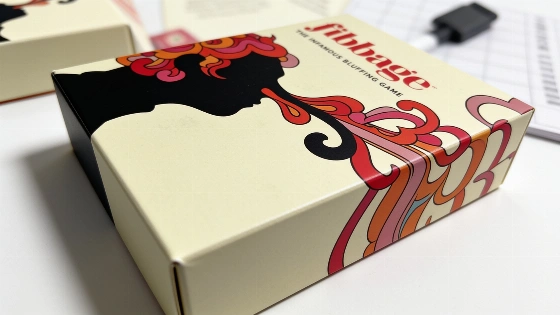
Jackbox Games has transitioned its well-known digital party game Fibbage into a physical card game, aiming to capture the same bluffing and deduction gameplay that made the original a staple at gatherings since 2014. The new tabletop edition is designed for board game nights, offering a familiar experience for those who have played the digital versions, while introducing the format to a wider audience who prefer in-person play.
How the Card Game Works
The core mechanics of Fibbage remain intact in the card game adaptation. One player acts as the "revealer", drawing a card and reading a prompt with a missing word or phrase. Other players then write down plausible answers to fill the blank, while the revealer submits the correct answer. All responses are shuffled and read aloud, and players vote on which they believe is correct. Points are awarded for correct guesses and for successfully deceiving others with convincing fakes. The game is played over a set number of rounds, with the highest scorer declared the winner.
The box includes a single-sheet rule set, cardboard tokens for voting and scoring, six dry-erase markers with boards, and 300 prompt cards. The prompts cover a wide range of topics, from unusual culinary techniques to obscure product flavours, ensuring variety across multiple sessions. The inclusion of 300 cards means repeated prompts are unlikely to become an issue in the short term.
Physical Adaptation and Player Experience
Translating Fibbage to a physical format introduces some practical considerations. While the gameplay loop is largely unchanged, the process of writing answers by hand can reveal players' handwriting, especially in smaller groups, potentially undermining the anonymity that is central to the bluffing element. The game suggests using block letters to minimise this, but the risk remains. Some groups may choose to have the revealer transcribe all answers onto a separate sheet to further obscure handwriting, though this adds an extra step to the process.
Despite this minor limitation, the card game retains the accessible, creative spirit of the digital version. The rules are straightforward, making it suitable for a broad range of ages and gaming backgrounds. The physical edition is also highly expandable; additional prompt packs or extra writing materials could easily increase the player count or refresh the experience, echoing the expansion-driven model seen in other party games.
Replayability and Expansion Potential
With 300 unique prompts included, the Fibbage Card Game is built for replayability. The variety of questions encourages creative thinking and rewards players who can craft believable lies. Jackbox Games has a history of supporting its party titles with expansions, and the card game format is well-suited to future add-ons, whether through themed prompt packs or additional accessories.
There is no strict upper limit on player count, provided there are enough writing boards and tokens. This flexibility makes the game adaptable for both small family gatherings and larger parties. The design encourages participation from all ages, and the focus on cleverness over simple humour distinguishes it from other party games that often rely on shock value or pre-written jokes.
Tabletop Trends and Social Play
The move from digital to physical reflects a broader trend in gaming, where successful video game concepts are reimagined for the tabletop. This approach allows for more direct social interaction and can appeal to those who prefer unplugged experiences. The Fibbage Card Game joins a growing list of titles that have made this transition, offering a new way to enjoy familiar mechanics in a different setting. For readers interested in how other genres are blending solo and group play, the preview of 1001 Threads of Mizan explores similar themes of accessibility and social engagement in game design, as discussed in our coverage of new action-adventure hybrids.
As tabletop adaptations become more common, the success of Fibbage's card game will likely depend on its ability to maintain the balance between accessibility, replay value, and the core bluffing dynamic that defines the series. The physical edition demonstrates that party games can thrive beyond screens, provided the design supports both the spirit and the mechanics of the original.
Understanding the difference between digital and physical party games is key to appreciating adaptations like Fibbage. In digital versions, anonymity is enforced by the platform, making bluffing more seamless. Physical editions must address challenges such as handwriting recognition and manual scoring, which can affect the flow and fairness of play. However, the tactile nature of tabletop games and the opportunity for face-to-face interaction offer a distinct appeal that continues to draw players to the genre.