
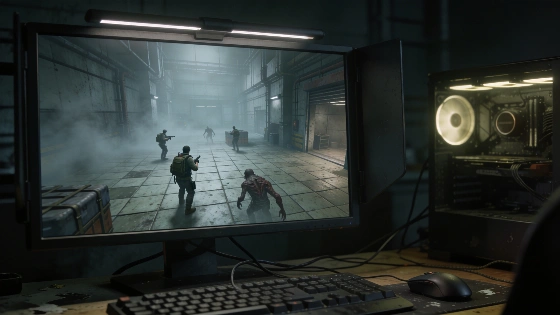
Dawner Game Studio released Crystant version 1.0 on 21 September 2026 for PC through Steam. The post-apocalyptic strategy game combines tile-based exploration, tactical combat, resource management and permanent Roguelite progression.
Every expedition in Crystant brings the same hard choice: use scarce supplies to push deeper into a ruined research facility, or turn back before the team falls apart. Dawner Game Studio released the game's 1.0 version on 21 September 2026 after a period of Early Access and regular updates. The release date and full-release status were also reported by the 巴哈姆特電玩資訊站 GNN news service via PChome.
Release details
Crystant is available on PC through Steam for $11.99 USD. The confirmed release description also mentions Steam Deck support. A limited-time 10% launch discount applies during the first week. GameGrin's weekly Steam roundup for 15 to 22 September 2026 also lists Crystant among the new and recently released titles from that period.
The release brings together strategic exploration, turn-based combat, resource management and Roguelite progression. Players control a test subject trying to escape an underground research facility filled with mutated creatures. Along the way, they collect clues about the catastrophe that destroyed the wider world.
The 1.0 package includes 30 floors of underground exploration, five starting classes and five unlockable classes. It also includes four bosses, two branching endings and four core attributes that can be developed along different progression paths. These figures describe the content in the 1.0 release, not a future roadmap.
Exploration and combat
Crystant's map is made of connected tiles. Much of each route starts hidden under fog, so players reveal new areas as they decide where to go. Movement is not free. Time and the team's condition determine how far an expedition can safely go.
Events and challenges appear as the map opens. Hostile encounters shift the game into turn-based tactical combat. Enemy traits and weaknesses force players to adjust positioning, class choices and weapon combinations. Usable items can also change the course of a dangerous fight.
That structure gives Crystant a sharper identity than a simple corridor-by-corridor survival game. Exploration creates the danger. Combat deals with part of it. Every decision also uses something the team may need several floors later.
Failure has a purpose
Crystant does not treat a failed expedition as a total reset. Experience and in-game currency collected during a run carry into later attempts. Players can use them to strengthen characters and unlock additional classes. Defeat can open a path to deeper parts of the facility instead of wiping out all progress.
The game's special Authorization System adds another layer of long-term planning. Players repair malfunctioning facilities and restore system functions to unlock abilities and features. The order of those upgrades affects later expeditions. Different restoration choices can support different ways to survive.
This is where the story and the game systems connect. Scattered information slowly reveals what caused the catastrophe. Each failed attempt also provides resources for a stronger return. The two branching endings depend on what players discover during exploration rather than leading to one fixed outcome.
The cost of going deeper
Resource management drives every route choice. Inventory space has to cover equipment, materials and food. Stamina, hunger and morale also need attention. Movement, exploration and combat all wear down those conditions, so an unexplored path can become a problem if the team reaches it already exhausted.
Crystant treats retreat as part of the intended strategy, not as proof that an expedition has failed. Moving forward may reveal useful information, but it can also consume time and supplies before the next encounter. The best run is not always the one with the most fights. It is the one that leaves enough strength for the next dangerous choice.
For players looking at Crystant alongside other independent strategy games, NGB's earlier coverage of another unusual PC mystery game offers a contrast in format rather than a direct comparison. Crystant is built around repeatable expeditions and tactical pressure on resources. Its story unfolds through text-based narrative as players descend through the facility.
Dawner Game Studio says it will keep monitoring player feedback and release updates from time to time after the Early Access period and the 1.0 launch. The studio has not announced specific future content or an update schedule. For now, the value of the 1.0 release rests on the systems and content already listed, not on promises beyond launch.
Permanent Roguelite progression is the central idea. A failed run ends the current expedition, but selected experience and currency remain available for later attempts. That differs from a traditional reset because the player's strategic options grow between runs even when the immediate team is lost. In Crystant, cautious retreat and calculated failure matter as much as winning one battle. The 1.0 release is aimed at PC players who want survival strategy to depend on resource discipline as well as combat.