
City States: Medieval leaves Early Access today, delivering its full 1.0 release on Steam and indie.io with new siege mechanics, a rebuilt tutorial, and a free demo for players interested in its medieval city-building and strategy blend
City States: Medieval has exited Early Access and is now available in its complete 1.0 form for PC players, marking a significant milestone for Reverie World Studios. The game, which combines city-building, grand strategy, and real-time siege warfare, tasks players with transforming a single merchant city into a formidable trading power during the 12th century. The full release arrives on both Steam and the indie.io Store, priced at $19.99 USD, with a 20% launch discount and a free demo offering a substantial taste of the campaign.
Full Release Features and Improvements
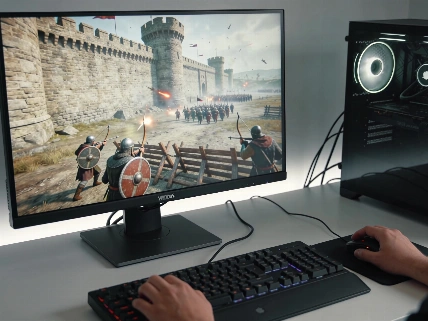
The 1.0 launch brings a suite of refinements and new features shaped by player feedback during Early Access. Notably, the real-time siege system has been expanded: any army under the player's control can now defend cities in tactical combat, not just hero-led forces. This change opens up new strategic options for garrisoning distant holdings and managing multiple fronts. The Call to Arms and lord management systems have also been rebuilt, allowing for more reliable summoning and direction of key leaders, which becomes increasingly important as the campaign progresses.
Alongside these gameplay changes, the world map has seen performance improvements, visuals have been upgraded, and a new tutorial has been introduced to help new players acclimatise to the game's layered systems. Balancing adjustments across trade, research, and the campaign economy aim to make long-term planning more rewarding and accessible.
Gameplay Structure and Demo Access
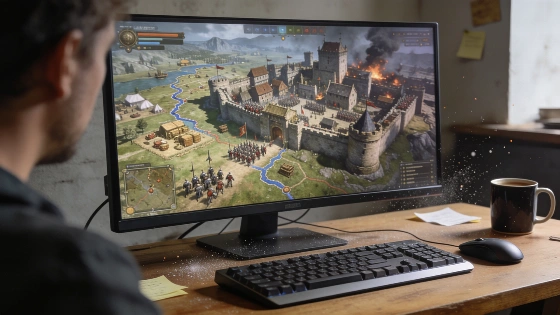
Players begin as the leader of a lone merchant city, navigating a landscape dominated by larger kingdoms. The core gameplay loop revolves around trading commodities-such as wool, linen, silk, and spices-across Europe, North Africa, and the Middle East. As wealth accumulates, the threat of siege grows, requiring mastery of the game's real-time tactical combat and fortress defence mechanics. The presence of historic heroes unlocks full control over cities and armies, but the expanded system now allows any army to participate in city defence, broadening tactical possibilities.
For those interested in trying before buying, the free demo provides around 90 minutes of the prologue campaign. This demo covers most of the core systems, including the world map, combat, trading, and city-building, giving prospective players a practical introduction to the game's mechanics and pacing.
Studio Background and Platform Details
Reverie World Studios, based in Toronto and established in 2007, brings experience from previous titles and a proprietary game engine to City States: Medieval. The studio operates with a distributed team across North America, Europe, and Australia, and is known for the Kingdom Wars series. The game is available for Windows PC via Steam and indie.io, with no mention of console versions or additional platforms at this stage. The launch price is set at $19.99 USD, with a 20% discount during the release window, and the demo is freely accessible to all interested players.
City States: Medieval 1.0 represents the culmination of its Early Access period, with all major systems now considered feature-complete for launch. The developers have focused on performance, accessibility, and strategic depth, but as with any complex strategy title, ongoing balance and technical updates may follow based on player feedback and post-launch testing.
Early Access is a development model where players can purchase and play a game before its official full release, often providing feedback that shapes the final product. While this approach allows for community-driven improvements and iterative design, it also means that features, balance, and performance can change significantly before launch. The transition from Early Access to a 1.0 release typically signals that the core systems are complete and stable, though further updates and patches are common as the player base grows and new issues are identified.