

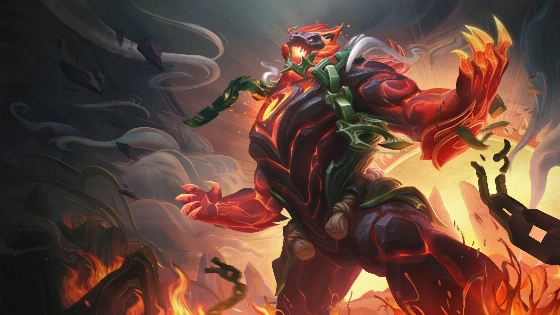
League of Legends: Wild Rift Patch 7.3 lands on 22 September with Rift Rumble mode, three new champions, gameplay reworks and music-inspired content as Riot Games closes out the year with a substantial update for mobile and upcoming console players
Riot Games is closing out 2026 with a decisive shift for League of Legends: Wild Rift, as Patch 7.3 launches on 22 September and brings the new Rift Rumble mode, three additional champions, and a suite of gameplay and ranked changes that will directly affect how matches play out on mobile and, eventually, console.
Rift Rumble and Game Mode Expansion
The headline addition is Rift Rumble, a mode that abandons the traditional two-team structure in favour of three squads of three players each, battling on a symmetrical map designed for direct combat rather than lane pushing. Augment Stones in this mode allow players to fundamentally alter their champion's abilities, shifting the focus from objective control to raw skirmishing. Alongside Rift Rumble, AAA ARAM receives a music-themed season, introducing dozens of new Augment cards and further diversifying the available gameplay experiences.
Wild Rounds: SMASH 2026 is also confirmed for Korea this November, promising a global competitive event that will bring together players from across regions for a celebration of Wild Rift's evolving format. This event is positioned as a major community milestone, though specific tournament details remain under wraps.
Champion Additions and Gameplay Reworks
Patch 7.3 introduces three new champions: Hwei, the Visionary, who brings a broad spell toolkit to the mid lane with both high-damage and utility options; Sylas, the Unshackled, a mage who can steal enemy ultimates for explosive counterplay; and Rek'Sai, the Void Burrower, a fighter built for aggressive initiation and pursuit. Each champion is designed to alter teamfight dynamics and expand tactical diversity in ranked and casual play.
Gameplay changes in this patch are aimed at accelerating match tempo and increasing the impact of objective control. Super minions and cannon minions now receive stat boosts to support sieges, while destroying an enemy turret grants allied minions bonus Attack Damage, making subsequent pushes more threatening. Smite has been reworked to apply persistent burning True Damage that scales with player stats, and epic monsters now feature increased resistances, making them more central to late-game teamfights.
Ranked System and Progression Updates
Following on from previous ranked adjustments, Patch 7.3 refines the scoring system to better reflect individual performance by lane and champion role. Players who perform well can now earn additional Ranked Energy, rewarding impact over simple win-loss outcomes. Legendary Ranked receives a streamlined seasonal entry threshold for former Grandmasters and introduces a trial format that allows top performers to bypass the Legendary Commander rank more quickly.
Cosmetic rewards are also in focus: the new Ranked season offers a Milio skin as a reward, while the Wild Pass features the Pencil Sharpener Kog'Maw skin. Additional skins, including Winterblessed Hwei and a special Worlds Volibear, are scheduled for release during the patch window.
Release Timing and Platform Context
Wild Rift Patch 7.3 is scheduled for global release on 22 September 2026 (UTC) for mobile platforms, with a console version still planned but not yet dated. The update is positioned as the final major content drop of the year, and its timing aligns with the broader trend of live-service games delivering substantial end-of-year updates. Wild Rift, which has been in open beta since 2020, continues to expand its reach, with Riot Games maintaining that a console launch remains on the roadmap.
For context, the game's ongoing evolution mirrors the kind of cross-platform expansion and content cadence seen in other major live-service titles, as reported earlier in the genre. Wild Rift's approach to regular, themed updates and competitive events is designed to sustain engagement and broaden its audience beyond the established mobile player base.
Live-service games like Wild Rift rely on a patch-driven model, where regular updates introduce new content, balance changes, and technical improvements. These patches are typically delivered on a fixed schedule, with each update containing a mix of gameplay adjustments, new features, and cosmetic rewards. For players, understanding the timing and scope of each patch is crucial, as it determines access to new modes, champions, and progression systems. The live-service structure also means that the game's meta and available content can shift rapidly, making ongoing engagement and adaptation essential for competitive play.