
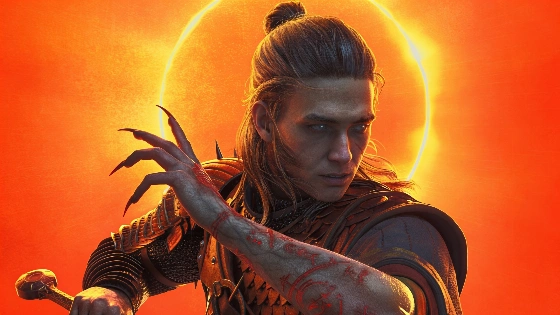
The Blood of Dawnwalker has surpassed one million copies sold within 48 hours of release on PC, PlayStation 5 and Xbox Series X/S, marking a significant debut for Rebel Wolves and publisher Bandai Namco
One million copies sold in just two days. That is the reality facing Rebel Wolves and Bandai Namco after the launch of The Blood of Dawnwalker, a new single-player RPG that has immediately found a substantial audience across PC, PlayStation 5 and Xbox Series X/S. For a debut studio and a fresh intellectual property, this is not a routine milestone-it is a statement of intent.
Sales Figures and Official Confirmation
The sales figure was confirmed by both publisher and developer through official social media channels, accompanied by a celebratory graphic. The game launched globally on 3 September 2026, and the one-million mark was reached within 48 hours. This number reflects units sold to players, not shipments or downloads, and covers all three major platforms. The rapid uptake is especially notable given the absence of a pre-existing franchise or established brand recognition.
Rebel Wolves, a Warsaw-based studio led by The Witcher 3: Wild Hunt director Konrad Tomaszkiewicz, has positioned The Blood of Dawnwalker as its first major release since the studio's founding in 2022. The team's public statements have focused on gratitude and surprise, with key staff acknowledging the scale of the response and hinting at future ambitions for the series.
Gameplay Structure and Player Choice
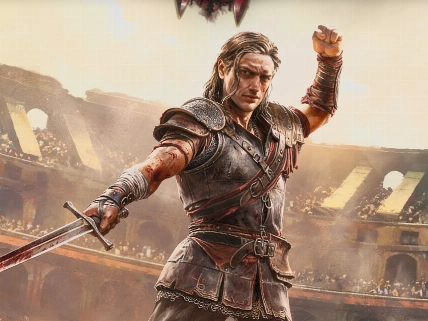
The Blood of Dawnwalker is described as an open-world dark fantasy action RPG set in 14th-century Europe. Players control Coen, a character who is human by day and vampire by night, navigating a narrative shaped by player decisions. The game's structure is defined by a 30-day in-game time limit, with each day and night cycle affecting the story's progression and available choices. This mechanic has already prompted debate within the player community, as some embrace the tension it creates while others seek to modify or bypass it-a topic explored in detail in our previous investigation.
Rebel Wolves has indicated that each entry in the Dawnwalker series is intended to be a standalone narrative, avoiding unresolved plot threads and cliffhangers. The studio has also teased the possibility of future instalments spanning different centuries and settings, with a CGI teaser suggesting a shift to modern environments in later games. However, no concrete details or release windows for sequels have been announced.
Critical Reception and Community Response
At launch, The Blood of Dawnwalker received strong critical reviews, with IGN awarding it a 9/10 and describing it as an impressive blend of ideas and character writing. Early player feedback has focused on the game's time-limit mechanic, with modders already working to alter or remove this feature for those seeking a less pressured experience. The studio's communication has been direct and appreciative, but has not yet addressed whether official support for alternative playstyles will be introduced.
Bandai Namco's June press release highlighted the studio's ambition to expand the Dawnwalker universe across centuries and cultures, but for now, the immediate focus remains on the current release and its reception. Narrative director Jakub Szamałek has encouraged players to look for subtle hints about the overarching saga within the game, suggesting that attentive players may uncover connections to future stories.
What This Means for Rebel Wolves and the Genre
For a new studio to achieve this level of commercial success with its first title is rare, particularly in a genre dominated by established franchises and high-budget sequels. The Blood of Dawnwalker's performance demonstrates that there is still room for original single-player RPGs to break through, provided they deliver a distinctive premise and robust execution. The combination of experienced leadership, a clear creative vision and a willingness to take mechanical risks has paid off for Rebel Wolves, at least in the short term.
With one million copies sold in two days, the studio now faces the challenge of sustaining momentum, supporting the player base and planning future content or sequels. The evidence so far suggests that players are willing to invest in new worlds when the fundamentals are strong and the experience is tailored to genuine player agency. The real test will be whether Rebel Wolves can maintain this level of engagement as the novelty fades and expectations rise for whatever comes next.
Understanding the significance of concurrent sales figures requires context. Unlike concurrent player counts, which measure how many people are playing at the same time, sales figures reflect the total number of units purchased by players. This metric is a direct indicator of commercial success, but does not reveal how many are actively playing or how long they remain engaged. For new IPs, rapid sales growth can signal strong initial interest, but long-term success depends on retention, updates and the ability to build a lasting community around the game.