
Super Metroid director Yoshio Sakamoto has described the intense final months of development, including long nights, a neglected nap room, and the impact of crunch on the Nintendo team during the game's creation
Super Metroid remains one of the most influential titles in Nintendo's history, but its development was marked by a period of extreme overwork and challenging conditions for the team behind it. Yoshio Sakamoto, who directed the 1994 Super NES release, has spoken about the relentless schedule and the toll it took on staff during the final stages of production.
Development Pressures at Nintendo
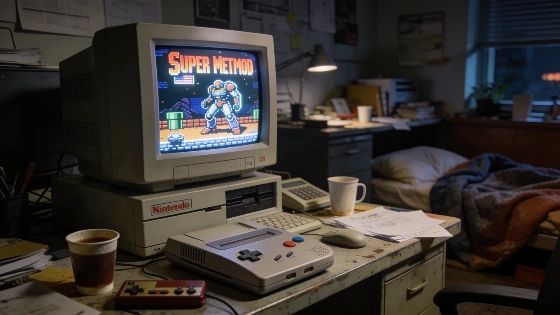
During the last six months before launch, Sakamoto and his team were based at Nintendo's former Higashiyama headquarters, rarely leaving the office as deadlines loomed. The building effectively became a temporary home for the Super Metroid developers, with many staff members working through the night and relying on a communal nap room for rest. According to Sakamoto, the pressure to deliver the game on time meant that going home was often not an option, and the nap room was frequently overcrowded.
As the team rotated through short naps, the room's condition deteriorated. With little time for cleaning and constant use, the space developed a strong odour, drawing comments from other Nintendo employees. Attempts to mask the smell with air fresheners only made matters worse, and the situation became a running joke within the company. Despite the laughter in hindsight, Sakamoto has acknowledged that these memories are tinged with sadness, reflecting the cost of such intense crunch periods.
Gunpei Yokoi's Reaction and Team Dynamics
While some team members wore their long hours as a badge of honour, not everyone at Nintendo approved of the approach. Gunpei Yokoi, then section chief and a key figure in Nintendo's hardware and software history, was openly frustrated by the team's relentless overtime. He questioned whether the group was trying to create a work of art at the expense of their wellbeing, especially as the project slipped further past its original deadline. Yokoi's concern grew as the crunch continued, highlighting the internal tension between creative ambition and sustainable working practices.
Despite his initial frustration, Yokoi ultimately became a strong supporter of Super Metroid. After release, he would compare other action games brought to Nintendo against Super Metroid, often recommending that third-party developers study it closely. This shift in attitude provided Sakamoto and his team with a more positive memory to balance the difficult conditions they endured.
Legacy and Industry Context
Super Metroid's development story is a reminder of the demanding conditions that have historically accompanied major game releases, particularly in the 1990s. The game's critical and commercial success did not come without significant personal cost to its creators. Today, the industry is more aware of the negative impact of crunch, with many studios and publishers publicly committing to improved working conditions and healthier production cycles.
Super Metroid continues to be celebrated for its world design, atmosphere, and gameplay mechanics, consistently ranking among the best SNES games ever made. Its influence can be seen in countless modern titles, and its development history remains a point of discussion when examining the evolution of workplace culture in the games industry. For those interested in how creative ambition and studio culture intersect, the story of Super Metroid's production offers a revealing case study.
Historical Perspective and Related Developments
The challenges faced by the Super Metroid team are not unique in the history of game development. Many acclaimed titles have emerged from periods of intense pressure, with developers often reflecting on both the achievements and the personal sacrifices involved. This pattern is echoed in other high-profile franchises, where creative leads have spoken about the balance between innovation and sustainable work. For example, discussions around creative direction and studio culture have also surfaced in relation to other legendary series, as seen when Hideki Kamiya hinted at his potential return to the Devil May Cry franchise in a recent feature on creative leadership and legacy.
Understanding the pressures behind classic games like Super Metroid helps contextualise ongoing debates about crunch, creative ambition, and the future of game development. As the industry continues to evolve, these stories remain relevant for both players and creators.
Crunch in game development refers to periods of sustained overtime, often leading up to major milestones or release dates. While sometimes seen as a necessary push to meet deadlines, crunch has been widely criticised for its negative effects on health, morale, and long-term productivity. The industry has gradually shifted towards more sustainable practices, but the legacy of crunch remains a significant topic in discussions about workplace culture and the true cost of creating iconic games.