
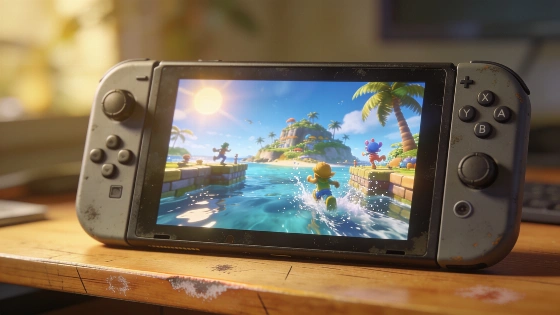
Nintendo has confirmed that Super Mario Sunshine will be added to the Nintendo Switch Online + Expansion Pack catalogue on 13 August, requiring a Switch 2 and an active subscription to access the GameCube classic
Nintendo has officially announced that Super Mario Sunshine, the GameCube-era platformer, will be added to the Nintendo Switch Online + Expansion Pack library on 13 August 2026. This marks the first time the game will be available as a standalone digital release on modern hardware outside of its limited run in the Super Mario 3D All-Stars collection.
Release Details and Access Requirements
Super Mario Sunshine will be accessible exclusively to subscribers of the Nintendo Switch Online + Expansion Pack service, and only on the Switch 2 console. The original GameCube title will not be available on the standard Switch or through the basic Switch Online subscription. Players will need both the upgraded hardware and the higher-tier subscription to play the game when it launches next month.
The addition is scheduled for 13 August, with Nintendo confirming that the game will join the service alongside other retro releases. This follows the recent trend of expanding the Switch Online catalogue with classic titles from previous Nintendo platforms, though GameCube games remain limited to the Switch 2 due to their higher technical requirements.
Gameplay and Franchise Context
Set on the sun-drenched Isle Delfino, Super Mario Sunshine follows Mario and friends as their holiday is disrupted by Bowser Jr. and his magical paintbrush. The game is notable for introducing the FLUDD water jetpack, which enables new movement and cleaning mechanics, and for debuting characters such as Bowser Jr., Petey Piranha, Piantas, Cataquacks, and Toadsworth. These characters have since appeared in other Mario games and adaptations, cementing Sunshine's influence within the franchise.
Super Mario Sunshine originally launched in 2002 and was later included in the time-limited Super Mario 3D All-Stars collection in 2020. Since that collection was delisted, legitimate access to the game has been restricted, making this Switch Online release significant for both returning players and newcomers.
Additional August Additions and Platform Strategy
Alongside Super Mario Sunshine, Nintendo will also add two previously unreleased Virtual Boy titles, D-Hopper and Zero Racers, to the Switch Online service on 4 August. These games have never been officially released before, offering a rare opportunity for long-time Nintendo fans to experience lost pieces of the company's history.
This expansion of the Switch Online catalogue reflects Nintendo's ongoing strategy to leverage its back catalogue as a subscription incentive. The move follows similar platform developments, such as the recent news that Final Fantasy 14 will require a substantial portion of the Switch 2's storage for its August launch, as reported in NGB's coverage of Switch 2 storage requirements.
What Remains Unclear
While the release date and access conditions for Super Mario Sunshine are confirmed, Nintendo has not detailed whether the Switch Online version will include any enhancements, such as improved resolution, performance options, or control customisation. There is also no information on whether save states, rewind features, or other modern conveniences will be supported, as seen in some other Switch Online retro releases. Pricing for the Expansion Pack tier remains unchanged, but Nintendo has not indicated if further GameCube titles are planned for the near future.
For now, the focus remains on the confirmed August additions, with further details likely to emerge closer to launch. Players interested in revisiting or discovering Super Mario Sunshine will need to ensure they have both the Switch 2 hardware and the appropriate subscription tier in place ahead of the release date.
GameCube emulation on modern hardware presents unique technical challenges compared to earlier Nintendo platforms. The Switch 2's increased processing power and memory enable more accurate reproduction of original visuals and gameplay, but also require higher subscription tiers to offset development and licensing costs. This approach allows Nintendo to deliver a broader range of legacy content while maintaining performance and compatibility standards expected by contemporary players.