
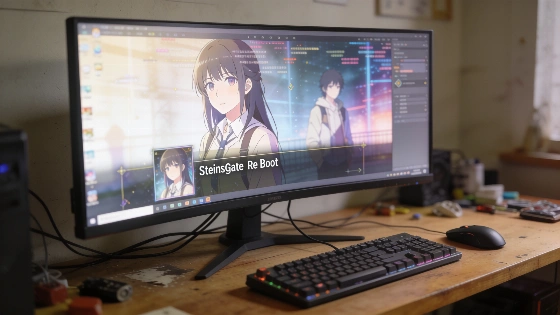
Steins;Gate Re:Boot brings a refreshed look, updated UI and a new story route to the acclaimed time travel visual novel, aiming to attract both newcomers and long-time fans on PC
Steins;Gate Re:Boot has arrived on PC, offering a contemporary take on the much-admired science-fiction visual novel. This release introduces overhauled visuals, a revised user interface, and a new narrative branch, all designed to make the experience more accessible for today's audience while retaining the core of what made the original so influential within its genre.
What's New in Re:Boot
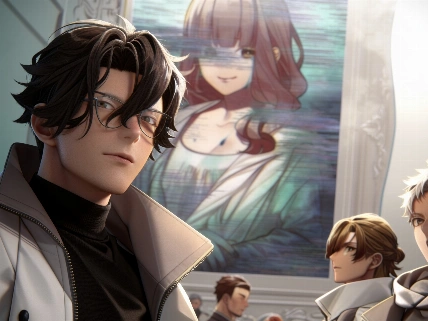
The most immediate change in Steins;Gate Re:Boot is its visual presentation. The game now features cleaner, more detailed character art and backgrounds, replacing the original's distinctive, slightly gritty style. This update is paired with the E-Mote animation system, which adds subtle character movements and facial expressions, aiming to bring more life to dialogue scenes. The user interface has also been modernised, streamlining navigation and making the experience more approachable for those unfamiliar with classic visual novels.
Beyond the visuals, Re:Boot introduces the "Gamma World" timeline-a new story route based on a drama CD predating this release. This alternate path explores a version of events where the time machine never existed, offering a fresh perspective on protagonist Rintaro Okabe and the consequences of his actions. While this route is shorter than the main narrative, it provides additional context and variety for returning players.
Narrative and Gameplay Structure
At its heart, Steins;Gate remains a story-driven experience centred on Rintaro Okabe and the Future Gadget Lab's accidental discovery of time manipulation. The narrative weaves together elements of science fiction, comedy, and tragedy, with branching paths determined by player choices-primarily through responding to in-game text messages. While the story is complex, it is structured to remain accessible, and the new translation aims to preserve the tone and nuance of the original Japanese script.
One notable change is that Re:Boot's script is based on Steins;Gate Elite, which condensed some dialogue and trimmed certain routes for brevity. This results in a more streamlined experience, though some memorable moments from the original are absent. For those who value every detail, this may be a point of contention, but for newcomers, the pacing is likely to feel more focused.
Visual and Audio Adjustments
The updated artwork in Re:Boot is likely to divide opinion. While the new style is technically more polished and benefits from animation, it arguably loses some of the original's unique atmosphere. The characters now appear more conventional, and the overall aesthetic is less distinctive. The soundtrack and Japanese voice acting have also been refreshed, though the changes are subtle and may not be immediately apparent to most players.
Gameplay remains largely unchanged from previous versions. Steins;Gate is a traditional visual novel, with the bulk of interaction limited to occasional choices that influence the story's direction. There are no puzzles or action sequences, and the focus is firmly on narrative and character development. This approach will suit those who appreciate story-first games, but may not appeal to players seeking more active gameplay.
Who Should Play Re:Boot
Steins;Gate Re:Boot is positioned as the definitive entry point for new players, combining the most content with the developers' preferred version of the story. For long-time fans, the new material-primarily the Gamma World route and minor script changes-may not justify a repeat purchase, especially if they already own Steins;Gate or Steins;Gate Elite. However, the modernised presentation and improved translation could make it worthwhile for those interested in revisiting the story in a new format.
For context, Steins;Gate Re:Boot is part of a broader trend of visual novels receiving modern updates, similar to how other acclaimed narrative games have been enhanced for new hardware. This approach echoes recent releases such as the upgraded version of 1000xRESIST, which brought improved visuals and performance to Nintendo Switch 2, as covered in our report on 1000xRESIST's Switch 2 launch.
Steins;Gate Re:Boot is available now on PC. The game's updated visuals, new timeline, and streamlined script are intended to make the experience more inviting, but the core remains a text-heavy, choice-driven visual novel. Players should be aware that, despite the modernisation, the fundamental gameplay and narrative structure are unchanged from previous releases.
Remakes and remasters are distinct approaches to updating older games. A remake, such as Steins;Gate Re:Boot, involves rebuilding significant aspects of the original-often including new visuals, reworked systems, and sometimes additional content-while retaining the core narrative and gameplay. In contrast, a remaster typically focuses on technical improvements like higher resolution or frame rate, leaving the underlying game unchanged. Understanding this distinction helps players set expectations for what a modernised release can and cannot deliver.