

A vast 12TB archive of Steam game files, including both finished and prototype builds from 2003 to 2013, has surfaced online. The leak reportedly covers first- and third-party titles, raising questions about data security and preservation
A major data leak has surfaced involving Steam, with approximately 12TB of files from the platform's early years now circulating online. The archive is said to include a decade's worth of game builds, prototypes and unreleased content published on Steam between 2003 and 2013. The material reportedly covers both Valve's own titles and a wide range of third-party releases, offering an unprecedented look at the platform's formative period.
How the Leak Occurred
The files were reportedly collected via a publicly accessible endpoint, rather than through a direct hack or breach of Valve's internal systems. According to Valve-focused creator Gabe Follower, the process exploited a legacy storage method that was in use until 2013, after which Valve migrated to a different system. This explains why the leaked data does not include more recent releases or updates.
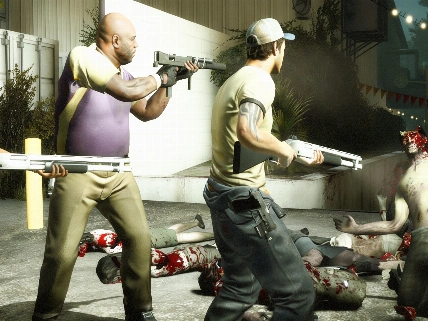
What sets this incident apart is the scale and scope of the material involved. The 12TB archive is said to contain not only completed retail builds but also beta versions, early prototypes and content that never made it to public release. Enthusiasts and archivists have already begun to uncover previously unseen versions of well-known games, including early builds of Left 4 Dead featuring alternative HUD elements, unused voice lines and map layouts that differ from the final product.
What the Data Contains
The leak reportedly encompasses the entire Steam library from its first decade, spanning both first-party and third-party games. This includes finished titles, beta builds and a variety of prototypes that were uploaded to Steam's servers at some point between 2003 and 2013. Early findings suggest that the archive holds significant historical value, with builds surfacing that predate official launches and reveal features or content cut before release.
For example, one uncovered build of Left 4 Dead dates from several months prior to its retail debut, showcasing a different user interface and map sections that were later revised. The presence of such material offers a rare insight into the development process and decision-making behind some of Steam's most influential releases.
Industry Response and Unanswered Questions
Valve has not issued a public statement regarding the leak at this stage. The company's silence leaves open questions about how the data remained accessible for so long and what, if any, steps will be taken in response. The leak's scale also raises concerns about the security of legacy digital distribution infrastructure, especially as platforms age and storage methods evolve.
While the focus here is on Steam's early years, the incident follows a broader trend of high-profile data leaks affecting the games industry. For context, recent regulatory actions have also impacted game availability, such as when Halloween: The Game was blocked in Australia and New Zealand due to classification issues, highlighting the complex landscape of digital game distribution and preservation.
What Happens Next
With 12TB of data now in the hands of archivists and enthusiasts, it is likely that further discoveries will emerge as the files are examined in detail. The leak may provide valuable material for game historians and preservationists, but it also raises ethical and legal questions about the handling of unfinished or unreleased content. For players, the immediate impact is limited, but the event underscores the importance of robust data management and the challenges of safeguarding digital game history.
As the industry continues to grapple with issues of preservation, security and access, the Steam leak serves as a reminder that even established platforms can harbour vulnerabilities long after their systems have been updated or replaced.
Understanding the difference between a finished retail build and a prototype is crucial in this context. Prototypes and beta builds often contain incomplete features, placeholder assets and experimental mechanics that may never reach players. While these versions can offer valuable insight into the development process, they are not intended for public release and may not reflect the quality, stability or content of the final game. Their exposure can inform historical research but also complicate the narrative around how games are made and released.