
Valve has admitted to deliberately leaking the Left 4 Dead 2 cinematic trailer after the ESRB refused to approve its release, revealing a rare case of a developer using a self-leak to sidestep content restrictions and drive pre-launch attention
Valve's approach to marketing Left 4 Dead 2 was anything but conventional. The studio has now confirmed it deliberately leaked its own cinematic trailer after the Entertainment Software Rating Board (ESRB) blocked its official release, exposing a calculated move to bypass ratings restrictions and ensure the footage reached players ahead of launch.
Deliberate Leak to Circumvent ESRB
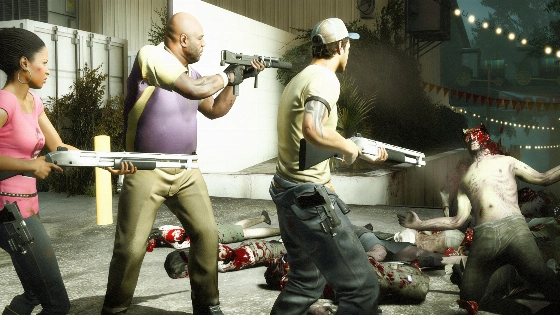
The revelation comes from former Valve writer Chet Faliszek, who disclosed that the studio made the decision to leak the trailer after the ESRB refused to clear it for public release. Rather than accept the board's ruling, Valve chose to distribute the footage unofficially, ensuring that the highly anticipated Zombie Survival Guide cinematic trailer appeared online in October 2009-one month before Left 4 Dead 2's official launch.
This three-minute cinematic sequence, featuring survivors Coach, Ellis, Nick and Rochelle battling through waves of zombies with chainsaws and firearms, was considered too violent for the ESRB's standards at the time. The precise content that triggered the block remains unspecified, but the footage's sudden online appearance was no accident. Valve's internal decision to leak the trailer was intended to maintain momentum and player interest in the run-up to release.
Marketing Tactics and Industry Context
Intentional leaks are rare in the games industry, where most studios invest heavily in preventing unauthorised disclosures. Valve's move stands in contrast to the more common scenarios of accidental publication, employee error or external hacking. By orchestrating its own leak, Valve demonstrated a willingness to challenge regulatory barriers when it believed the material was essential to the game's identity and marketing strategy.
While the ESRB's intervention forced Valve to tone down some language in subsequent materials, the studio's calculated risk paid off. Left 4 Dead 2 launched in November 2009 to strong critical acclaim, including a 9/10 score from IGN, and quickly established itself as a standout co-operative shooter. The game's success was not hindered by the controversy surrounding its trailer-in fact, the leak arguably amplified anticipation among the core audience.
Evidence and Player Impact
The leaked trailer, which remains accessible on video platforms, is a clear example of how studios can manipulate the flow of information to their advantage. Valve's decision to leak the footage was not made lightly, but with the knowledge that the ESRB's restrictions would otherwise limit the game's pre-release exposure. The studio's willingness to take this step highlights the tension between creative intent and regulatory oversight in the games industry.
Left 4 Dead 2's launch was not delayed by the incident, and the game's multiplayer focus and distinctive co-op mechanics helped it stand out in a crowded market. Despite the absence of a third entry in the series, the game's reputation has endured, with many players still regarding it as a benchmark for team-based zombie action. For those interested in how studios handle leaks and marketing, the Left 4 Dead 2 case remains a textbook example of calculated risk-taking.
Franchise Legacy and Ongoing Relevance
Valve's willingness to challenge the ESRB's authority by leaking its own trailer is not the only time a major studio has taken an unorthodox approach to publicity. As seen in our previous investigation into Rockstar's marketing decisions, studios sometimes prioritise direct engagement with their audience over strict adherence to industry norms. The Left 4 Dead franchise, despite never receiving a third mainline entry, continues to influence co-op shooters and remains a reference point for both players and developers.
Valve's calculated leak did not result in any known penalties, and the studio's reputation for unconventional tactics has only grown in the years since. The incident serves as a reminder that, in the world of game marketing, the line between official and unofficial can be deliberately blurred when the stakes are high and the audience is eager for new material.
Understanding the role of content rating boards like the ESRB is crucial for players following game announcements and trailers. The ESRB reviews submitted footage and assigns age ratings based on violence, language, and other mature content. When a trailer is blocked, studios must either edit the material or, as in Valve's case, find alternative ways to reach their audience. This process can shape not only what players see before launch but also how a game is perceived in the months leading up to release.