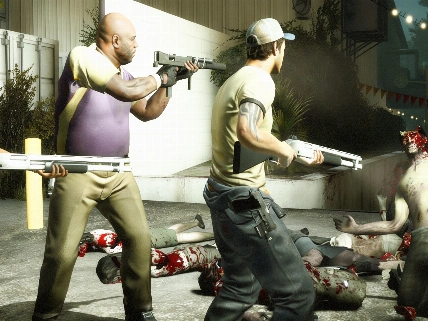

Chet Faliszek, known for his work on Left 4 Dead, has weighed in on PlayStation's plan to end physical game discs in 2028, arguing that the shift to digital is a direct result of player purchasing habits rather than corporate conspiracy
PlayStation's recently announced intention to discontinue physical game discs by 2028 has reignited discussion about the future of game ownership and access. Industry veteran Chet Faliszek, best known for his writing on Left 4 Dead, has publicly addressed the controversy, suggesting that the decline of physical media is a consequence of consumer choices rather than a top-down decision imposed by platform holders.
Industry Perspective on Physical Decline
Faliszek's comments come as many players express frustration over the loss of physical options, with some calling for alternative formats such as memory cards or new forms of retail distribution. However, Faliszek points to current sales data and retail trends, noting that physical copies of major PlayStation releases remain available but are increasingly overlooked by buyers. According to Circana analyst Mat Piscatella, only seven PlayStation titles surpassed 100,000 physical sales in the United States this year, highlighting the scale of the shift towards digital purchases.
Faliszek argues that the industry's move away from discs is not a coordinated effort to restrict player choice, but a response to clear market signals. He also notes that digital-only services, such as Game Pass, have further normalised the absence of physical editions, with players embracing the convenience of instant downloads and subscription access.
Sales Data and Platform Trends
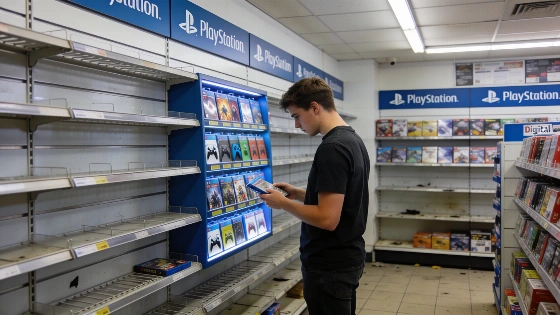
The available figures underline the rapid decline of physical game sales on PlayStation platforms. While retail shelves still stock new and used copies, the majority of players now opt for digital downloads, whether through direct purchases or subscription services. This trend is not limited to PlayStation; similar patterns are visible across Xbox and PC ecosystems, where digital storefronts and services like Steam dominate software distribution.
Faliszek highlights that many industry sales reports underrepresent the true scale of digital adoption, as they often exclude platforms such as Steam and mobile. The result is a market where physical releases are increasingly marginal, and publishers are less incentivised to invest in manufacturing, distribution, and retail partnerships for boxed editions.
Player Response and Missed Opportunities
Despite vocal opposition to the end of physical discs, Faliszek suggests that players have not meaningfully resisted the transition. He points out that those concerned about digital ownership have continued to purchase digital games and subscribe to digital-only services, rather than supporting physical releases while they remained widely available. The lack of sustained consumer action-such as boycotting digital storefronts or prioritising boxed copies-has left little commercial argument for maintaining physical production at scale.
With PlayStation's 2028 timeline now public, the window for influencing the platform's direction through purchasing behaviour is rapidly closing. Unless there is a significant reversal in consumer habits, the industry is likely to continue prioritising digital distribution for both economic and practical reasons.
The shift from physical to digital game distribution is driven by a combination of player convenience, platform-holder strategy, and changing retail economics. Digital downloads offer instant access and reduce manufacturing costs, but also raise questions about long-term ownership, preservation, and resale. As physical discs become less common, players may need to consider how digital rights management, platform policies, and account requirements affect their ability to access purchased games in the future. Understanding these systems is increasingly important as the industry moves towards an all-digital model.