
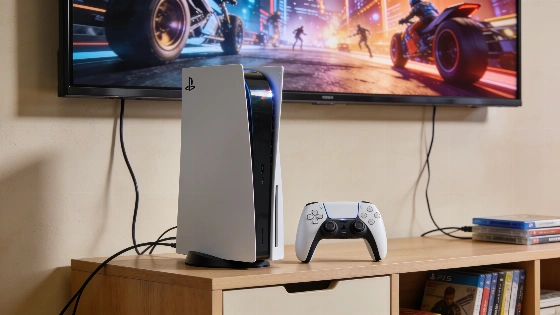
Sony has reiterated that ending PlayStation disc production from 2028 will not negatively affect its business, despite ongoing criticism from players and industry groups concerned about digital-only access and game preservation
Sony has reaffirmed its decision to phase out physical PlayStation discs, stating that the move is not currently affecting its business and is not expected to do so in the future. The company addressed the issue during a recent investor Q&A, following the release of its first quarter financial results, where concerns about the impact of going digital-only were raised by both investors and the wider gaming community.
Official Position and Player Reaction
During the Q&A, Sony's Chief Financial Officer Lin Tao explained that the company has not observed any negative business impact from the decision to discontinue disc production, which is scheduled to end in 2028. Tao noted that the majority of PlayStation content sales are already digital, suggesting that the transition away from physical media is a continuation of existing trends. However, Tao acknowledged that some players remain attached to physical discs and indicated that Sony is considering how to address this feedback, though no specific measures have been announced.
The announcement has prompted a sustained backlash from segments of the PlayStation community, with online petitions and calls for a temporary boycott circulating on social media. Concerns centre on game preservation, long-term ownership, and the risk of losing access to purchased titles if digital storefronts change or close. Industry groups such as the UK's Digital Entertainment and Retail Association have criticised the move as prioritising corporate convenience over consumer choice.
Digital Sales and Market Data
Sony's latest financial disclosures reveal that 82% of full game software sales across PlayStation 4 and PlayStation 5 are now digital downloads. This shift is further supported by market analysis from Circana, which found that only seven PlayStation games sold more than 100,000 physical copies in the United States during the current year, and just two titles exceeded 10,000 physical sales in the week ending 11 July. These figures underline the declining role of physical media in the PlayStation ecosystem.
When Sony announced the end of disc production, it cited changing consumer preferences as the primary reason. Future PlayStation games will be available exclusively in digital formats, both through the PlayStation Store and at retail, starting from January 2028. The company has not indicated any plans to reverse this decision, even as some new game releases have been overshadowed by ongoing debate about the future of physical media.
Business Implications and Margins
For Sony, the move to digital-only distribution offers clear financial advantages. The company retains a significantly higher share of revenue from digital sales compared to physical copies, where a portion of the price goes to retailers and manufacturing costs. For first-party PlayStation titles sold physically, Sony typically keeps around 65% of the sale price, with the remainder split between retail partners and production expenses. In contrast, digital sales through the PlayStation Store allow Sony to retain 100% of the revenue for its own games and a 30% cut from third-party titles.
Analysts suggest that, even in the face of player protest, Sony is unlikely to reverse course. The company's strategy aligns with broader industry trends towards digital distribution, especially as hardware costs rise and console sales are projected to slow. While some companies have previously reversed controversial decisions following community backlash, there is currently no indication that Sony will revisit its plan to end disc production.
Industry Context and Platform Reliability
The shift away from physical media is not unique to Sony. Other platform holders have also faced scrutiny over digital rights and offline access, particularly when outages or policy changes affect players' ability to use purchased content. For example, Xbox recently investigated a disc game outage that prevented some users from playing offline, raising further questions about the long-term reliability of digital-only platforms. This ongoing transition highlights the importance of platform policies, digital rights management, and preservation efforts as the industry moves towards an all-digital future.
As the debate continues, Sony's position reflects a calculated response to market data and evolving player behaviour, but it also underscores the unresolved challenges of digital ownership and access in the modern gaming landscape.
Digital rights management (DRM) is a set of technologies and policies used by platform holders and publishers to control how digital games are accessed, shared, and preserved. DRM can restrict the ability to play games offline, transfer ownership, or access titles after a storefront closes. As more games become digital-only, the role of DRM becomes increasingly significant for players concerned about long-term access and preservation. Understanding how DRM operates on each platform is essential for making informed decisions about digital purchases and future-proofing game libraries.