

Pokémon Trading Card Game's latest Pitch Black expansion introduces a Slowpoke card with a new move, 'All-You-Can-Yeet', drawing attention for its unusual name and gameplay effect
The Pokémon Trading Card Game has introduced a new Slowpoke card in its Pitch Black expansion, featuring a move that has quickly become a talking point among players. The card, numbered 029/084, debuts the move 'All-You-Can-Yeet', a term not previously seen in the mainline Pokémon games or earlier TCG sets. This addition stands out both for its gameplay implications and its use of contemporary slang.
New Move and Its Mechanics
'All-You-Can-Yeet' is a move that requires a single Psychic energy to use. When played, it allows the user to discard any number of cards from their hand. This mechanic can be used to set up the discard pile for future plays or to empty the hand for specific combo strategies. For example, certain cards such as Thievul's Skill Thief benefit from having an empty hand, making Slowpoke's new move a potential enabler for more advanced tactics.
While the move itself is straightforward, its flexibility could appeal to players looking to optimise their deck's synergy. The ability to control the hand and discard pile is a recurring theme in competitive TCG play, and this move offers a new tool for those strategies.
Unusual Naming and Player Reaction
The name 'All-You-Can-Yeet' has attracted particular attention due to its use of the word 'yeet', a slang term meaning to throw or toss. While the term saw widespread use in gaming and internet culture several years ago, its appearance in an official Pokémon product is a notable example of the TCG's occasional embrace of playful or contemporary language. Previous sets have included similarly light-hearted names, such as Banette's 'Hide 'n' Sneak' ability in the same expansion.
Although the move's name is unconventional, it has not been met with significant controversy. Instead, it has sparked discussion about the TCG's willingness to experiment with language and card design, reflecting a broader trend of the game incorporating cultural references and humour.
Expansion Context and Ongoing Demand
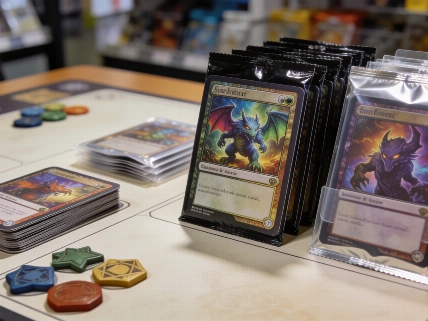
The Pitch Black expansion arrives during a period of sustained high demand for Pokémon cards. According to industry reports, The Pokémon Company produced approximately 10 billion cards in 2025, yet shortages and scalping remain persistent issues in many regions. The expansion includes a range of new cards, with guides available highlighting the most valuable additions and pre-order opportunities for booster bundles.
Recent statements from Nintendo president Shuntaro Furukawa have acknowledged the ongoing supply challenges, with assurances that The Pokémon Company is working to address shortages and reduce the impact of scalping. However, no specific measures have been detailed publicly. Meanwhile, trading card stores have continued to report thefts and targeted incidents, underscoring the intensity of demand for rare and valuable cards.
Wordplay in the Pokémon TCG
The use of playful or unexpected language in card names is not new to the Pokémon Trading Card Game, but 'All-You-Can-Yeet' is among the more striking recent examples. Such naming choices can serve to make the game more approachable and memorable, especially for younger players or those attuned to internet culture. At the same time, these decisions highlight the TCG's evolving approach to card design and its responsiveness to broader trends in language and humour.
For players interested in the Pitch Black expansion, the Slowpoke card's new move offers both a practical gameplay option and a talking point within the community. As the TCG continues to expand, the balance between competitive depth and creative presentation remains a defining feature of the series.
In trading card games like Pokémon TCG, the ability to discard cards from the hand is a core mechanic that enables a range of strategies. Moves that allow players to control their hand and discard pile can be crucial for setting up combos, activating abilities, or responding to an opponent's play. Understanding how these mechanics interact is essential for building effective decks and adapting to evolving metagames, especially as new expansions introduce fresh options and unexpected twists.