

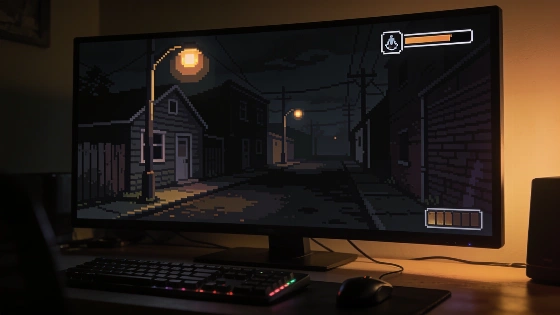
Wych Elm Games has revealed Silver Pines, a pixel-art survival horror adventure inspired by classics like Silent Hill and Alan Wake, with a demo highlighting its atmospheric visuals, resource scarcity and Lynchian narrative influences
Silver Pines, the upcoming 2D survival horror from Wych Elm Games, has been unveiled with a playable demo that draws clear inspiration from the genre's '90s heyday. The game's pixelated art direction, unsettling sound design and focus on resource management position it as a deliberate throwback, while its narrative and presentation aim for a more modern, expressive style. Early impressions suggest a blend of classic mechanics and contemporary indie sensibility, but questions remain about its long-term variety and depth.
Atmosphere and Visual Identity
Silver Pines immediately stands out for its fluid, expressive pixel art, which manages to convey a surprising amount of emotion and tension despite its retro aesthetic. The game's environments are densely detailed, with every corner of its small-town setting designed to evoke unease. The voice acting is intentionally off-kilter, adding to the sense of disquiet, and the soundtrack leans heavily into eerie, minimalist motifs. The overall effect is reminiscent of the psychological unease found in series like Twin Peaks, with the game's Lynchian influences evident throughout.
Players are cast as an unreliable narrator navigating a town filled with supernatural threats and blurred realities. The narrative structure appears to favour slow-burn mystery over straightforward horror, with reality frequently shifting and the protagonist's perspective called into question. This approach is consistent with the game's stated inspirations, including Alan Wake and Silent Hill, but the execution is filtered through a point-and-click puzzle framework more typical of '90s adventure games.
Gameplay Structure and Mechanics
Silver Pines combines survival horror staples-limited resources, tense exploration, and methodical combat-with light puzzle-solving. Players must scavenge for ammunition, repair melee weapons with duct tape, and ration healing items, all while navigating environments where even simple tasks can become panic-inducing under threat. Combat is intentionally slow and imprecise, with lengthy cooldowns and a protagonist who is vulnerable to enemy attacks, reinforcing the sense of danger and helplessness.
Puzzles are woven into the environment, requiring players to search for keys, circuit breakers, and other items to progress. Occasionally, these challenges take on a surreal edge, such as needing to win a carnival game to obtain a key. The game encourages avoidance over confrontation, with a dodge mechanic and a short stamina meter that limits escape options. Resource scarcity is a constant concern, and even saving progress requires spending in-game currency, echoing the tension of classic Resident Evil save systems.
Early Demo Limitations
While the demo showcases Silver Pines' strengths in atmosphere and tension, it also highlights some early limitations. Enemy variety is notably sparse, with only two types-humanoids and oversized bugs-encountered in the initial section. Both exhibit predictable movement and attack patterns, making them less threatening after repeated encounters. The first boss fight introduces a more formidable challenge, but it remains to be seen whether later areas will expand on this foundation.
The demo covers only a small portion of the game, so it is possible that additional enemy types and more complex puzzles will be introduced as development continues. However, the lack of variety in the opening stretch is a point to monitor, especially for players seeking sustained challenge and unpredictability. The game's reliance on atmosphere and narrative may compensate for these gaps, but the balance between style and substance will be crucial at launch.
Release Timing and Platform Context
Silver Pines is scheduled for release later in 2026, with platforms yet to be fully confirmed. The demo does not specify hardware requirements or performance targets, but the pixel-art style suggests broad compatibility across PC and potentially consoles. Pricing, edition structure and any early-access plans have not been detailed at this stage. The game's approach to resource management and narrative-driven horror sets it apart from recent genre entries, and its blend of influences may appeal to fans of both classic and modern horror adventures.
For readers interested in how narrative focus can shape a game's identity, the recent discussion of Logan's outsider story in Marvel's Wolverine offers a useful comparison of how character perspective and setting can define the tone of a new release.
Resource management is a defining feature of survival horror, requiring players to make strategic decisions about when to fight, flee or conserve supplies. Classic games in the genre often limit ammunition, healing items and save opportunities to heighten tension and force careful planning. In Silver Pines, this tradition is maintained through scarce resources, repairable weapons and a save system that consumes in-game currency. These mechanics are designed to create a persistent sense of vulnerability, making every encounter and decision carry real risk. Understanding how resource scarcity shapes player behaviour is key to appreciating the enduring appeal of survival horror design.