
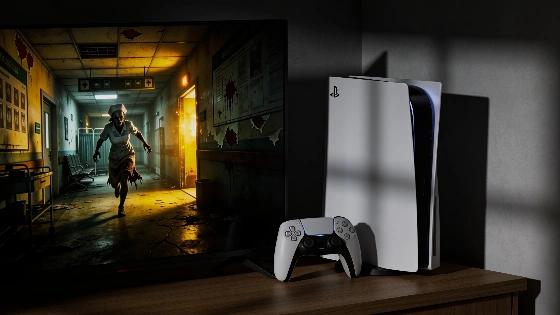
Silent Hill creature designer Masahiro Ito has addressed criticism from Madonna fans after clarifying that his inspiration for the series' iconic nurse animations came from Butoh-style dance in a Madonna music video, not the singer herself
Masahiro Ito, the artist responsible for some of Silent Hill's most recognisable monsters, has responded to ongoing criticism from Madonna fans after clarifying the nature of his inspiration for the series' nurse animations. The discussion centres on the influence of Madonna's 1999 music video for "Nothing Really Matters", which Ito previously cited as a reference point for the unsettling movement of the Bubble Head Nurses and other creatures in the early Silent Hill games.
Clarifying the Source of Inspiration
In May 2019, Ito publicly acknowledged that the choreography in Madonna's "Nothing Really Matters" video, specifically the Butoh-inspired movements performed by Asian dancers in white body paint, contributed to the animation style of Silent Hill's nurses and the Lying Figure. Butoh is a post-war Japanese dance form known for its slow, controlled, and often grotesque physicality. Ito has since clarified that his reference was to the dancers' performance and not to Madonna herself or the song's musical content.
The distinction became a point of contention in May 2026, when a fan post credited Madonna as the direct inspiration for Silent Hill 2's atmosphere. Ito responded by reiterating that his creative influence was drawn from the visual choreography rather than the artist or her music, urging fans not to conflate the two. This clarification, however, triggered a wave of criticism from some Madonna supporters, who interpreted his comments as dismissive of the singer's creative role.
Fan Reaction and Social Media Backlash
Following Ito's clarification, a vocal segment of Madonna's fanbase took to social media to challenge his statements, with some arguing that the video's concept and Madonna's involvement were inseparable from the inspiration he described. Others suggested that Ito had misunderstood the original fan's intent, which may have been exaggerated for effect. Despite these nuances, Ito reported continued negative attention, including direct harassment and trolling from accounts referencing his Madonna-related posts.
In August 2026, Ito shared further examples of hostile messages, describing some interactions as typical of online "stan" culture, where fans aggressively defend their preferred artists. He compared his approach to handling such behaviour to that of Hideki Kamiya, a fellow game developer known for his blunt social media presence. For context, Kamiya's own interactions with fans have previously drawn attention, as discussed in our coverage of his comments on the Devil May Cry series (see our report on Kamiya's Devil May Cry remarks).
Ongoing Discussion and Artistic Influence
Despite the backlash, the situation has prompted renewed discussion about the nature of artistic inspiration in game development. Ito's clarification has led some players to explore the history and characteristics of Butoh dance, highlighting how cross-media references can shape the visual and atmospheric identity of games like Silent Hill. The debate also underscores the challenges creators face when discussing their influences in public forums, where statements can be misinterpreted or amplified by passionate fan communities.
Silent Hill's nurse animations remain a defining element of the franchise's horror aesthetic, with their disturbing movements frequently cited as a benchmark for unsettling character design. Ito's willingness to detail his creative process offers insight into how specific visual references, rather than celebrity figures or music alone, can inform the development of iconic game imagery.
When discussing the influence of other media on game design, it is important to distinguish between direct inspiration from a particular artist and the adoption of specific visual or choreographic elements. In this case, the Butoh-style dance featured in Madonna's video served as a technical and artistic reference for Silent Hill's creature animation, rather than a broader endorsement of the artist or her music. This distinction is crucial for understanding how developers translate external influences into unique gameplay experiences and visual identities.