
The Pokémon Company has introduced new ID-based restrictions for select Pokémon TCG products in Japan, requiring buyers to hold a Japanese government-issued ID in an effort to combat widespread scalping and reselling
The Pokémon Company has announced a significant change to how certain Pokémon Trading Card Game (TCG) products are sold in Japan, introducing a new layer of buyer verification aimed at curbing rampant scalping. From now on, select high-profile decks and expansion packs will only be available to Japanese citizens who can provide a government-issued ID, effectively excluding international buyers from purchasing these items through the official online store.
New ID Requirements for Purchases
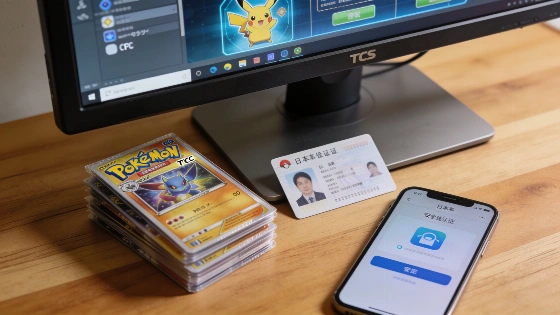
According to the official announcement, the affected products include the Pokémon Card Game Mega Expansion Pack 30th Celebration Box (7,200 yen, approximately $46 USD), the Mega 30th Celebration Futuristic Box (27,500 yen, around $174 USD), the Mega 30th Celebration Espeon and Umbreon Premium Deck Set (6,200 yen, about $39 USD), and the Mega 30th Celebration Card Set (10,800 yen, roughly $68 USD). To purchase any of these, buyers must use a Digital Identification App in conjunction with the My Number Card, a plastic IC-chip card issued by the Japanese government that serves as both an official photo ID and a digital access tool for government services.
This marks the first time The Pokémon Company has implemented such a strict, citizens-only process for TCG sales. The move is designed to prevent non-residents and scalpers from acquiring limited-edition products in bulk and reselling them at inflated prices, a problem that has plagued the Pokémon TCG market for several years.
Escalating Anti-Scalping Measures
The new ID requirement follows a series of escalating anti-scalping initiatives in Japan. Earlier, The Pokémon Company introduced facial recognition scans at select card shops, applying to both adults and children above elementary school age. These measures are intended to create a safer shopping environment and ensure compliance with purchase limits, as well as to deter criminal activity linked to high-demand releases.
These policies are not entirely unexpected. In July, Nintendo President Shuntaro Furukawa indicated that My Number IDs would become necessary for certain Pokémon TCG purchases, reinforcing the companies' commitment to tackling the ongoing scalping issue. The Pokémon Company's latest move is a direct response to the persistent demand and aggressive reselling that have made it increasingly difficult for ordinary players and collectors to access new releases at retail prices.
Impact on International Players and the Wider Market
For Pokémon TCG fans outside Japan, the new restrictions mean that official access to these sought-after products is now effectively closed unless they possess a Japanese government-issued ID. This is likely to further limit the availability of these items on the global secondary market, though it may also drive up prices for those who manage to obtain them through unofficial channels.
The scalping phenomenon is not unique to Pokémon. Other high-profile franchises have faced similar challenges, with Disney's Lorcana packs causing temporary store closures due to overwhelming demand and aggressive reselling. Even limited-edition food merchandise, such as the One Piece x Popeye's bento boxes and Pokémon Pop-Tarts, has been targeted by resellers, with prices soaring on platforms like eBay. The situation echoes the challenges faced by other major releases, such as the inventive mechanics and distinct style that set Grand Theft Auto: Chinatown Wars apart in the Nintendo DS era, as discussed in our analysis of standout franchise entries.
What Remains Uncertain
While the new ID-based restrictions are now in effect for the specified Pokémon TCG products, it is not yet clear whether The Pokémon Company plans to expand these measures to additional releases or to physical retail stores outside the online platform. The long-term impact on scalping and the secondary market remains to be seen, as determined resellers may seek alternative methods to bypass the restrictions. For now, the policy represents one of the most robust anti-scalping systems implemented by a major gaming brand, but its effectiveness will depend on ongoing enforcement and potential adjustments in response to market behaviour.
Digital rights management (DRM) and anti-scalping measures in gaming often involve a combination of software and hardware-based verification to restrict access to products or content. In the case of the Pokémon TCG, the use of government-issued ID and digital authentication apps represents a particularly stringent form of DRM, tying physical product access directly to a verified individual. This approach is designed to prevent automated bots, mass resellers, and non-residents from exploiting limited releases, but it also raises questions about accessibility and the balance between security and player convenience.