
A Canadian Pokémon card collector has retrieved his stolen collection worth over £3,100 after police declined to intervene, orchestrating a sting operation that led to the suspects' detention at a shopping centre
A Canadian Pokémon card collector has recovered his stolen cards after police declined to intervene, instead orchestrating a sting operation that resulted in the suspects being detained at a shopping centre. The incident highlights ongoing concerns around the security of high-value gaming collectibles and the risks players face when trading in person.
Theft During Private Sale
Emilio Kihien, a collector based in Coquitlam, British Columbia, arranged to sell several highly graded Pokémon trading cards from his personal collection. The transaction, which took place at his home, quickly turned when the supposed buyers handed over $4,000 in counterfeit notes before fleeing with the cards. Kihien attempted to pursue the thieves, even clinging to their vehicle before being thrown onto the road, sustaining bruises and road rash.
After the theft, Kihien contacted local police. However, he was told that there was little they could do to recover his property. According to Kihien, one officer even suggested that he might have more luck attempting to catch the culprits himself, underscoring the limitations of law enforcement in such cases.
Sting Operation and Recovery
Several days after the incident, a friend of Kihien's spotted an online listing for the stolen cards, using the same images from Kihien's original post. Recognising an opportunity, Kihien and his friends posed as interested buyers and arranged a meeting at Metropolis at Metrotown in Burnaby on 13 August. During the exchange, they confronted the suspects and prevented them from leaving until police arrived. Reports indicate that one adult and one juvenile were detained at the scene and may face criminal charges, including theft.
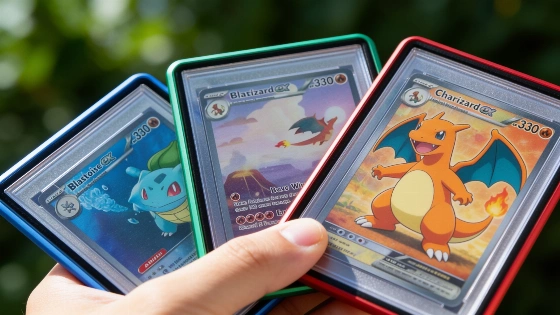
The entire confrontation was recorded using smart glasses, capturing the moment Kihien and his friends blocked the suspects' escape. While the cards were mostly recovered in good condition, one protective case was damaged during the altercation. The haul included three 2023 Pokémon Mew EN Special Illustration Rare EX cards-Blastoise, Venusaur, and Charizard-each graded PSA 10, indicating flawless condition.
Police Response and Player Risks
Local police have since cautioned against similar vigilante actions, warning that such interventions can escalate unpredictably and may expose victims to further harm or legal consequences. The Royal Canadian Mounted Police emphasised that even victims could face charges if someone is injured during a confrontation. The incident has reignited debate about the safety of in-person trading for high-value gaming collectibles, especially as the market for rare cards and memorabilia continues to grow.
This case follows a series of high-profile gaming-related thefts, including a recent incident in Britain where thieves were apprehended after stealing £71,000 worth of Pokémon cards when their getaway van broke down. The risks associated with physical trading and the limitations of law enforcement intervention remain a concern for collectors worldwide. For further context on how digital security and ownership issues are affecting the gaming community, see NGB's coverage of recent GTA 6 leaks and digital ownership fears.
Valuation and Grading of Collectibles
The value of trading cards is determined by a combination of rarity, demand, and condition. Professional grading agencies such as PSA assess cards for flaws, centring, and print quality, with a PSA 10 rating reserved for cards in perfect condition. High grades can dramatically increase a card's market value, making them prime targets for theft and fraud. As the market for rare gaming collectibles expands, collectors are advised to use secure payment methods, meet in public locations, and consider digital transaction records to reduce risk.
Understanding the grading process and the factors that influence a card's value is essential for anyone involved in the trading or collection of gaming memorabilia. Grading not only affects resale price but also provides a level of authentication that can help deter counterfeiting and disputes over condition. However, even with professional grading, physical security and safe trading practices remain critical for protecting valuable collections.