
A former Square Enix executive suggests that Sony's move to end PlayStation disc production may result in lower digital game prices, as publishers compete more directly and physical manufacturing costs disappear
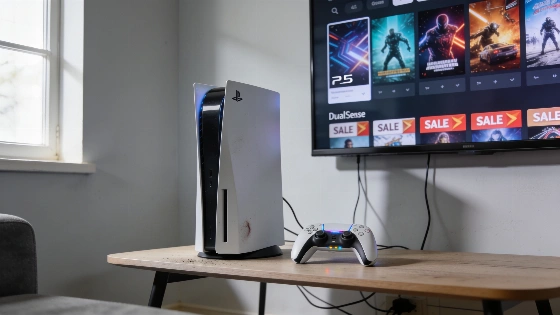
Sony's plan to discontinue physical PlayStation discs from 2028 has sparked debate about the future of game pricing and access. While concerns remain over digital ownership and preservation, a former Square Enix business development director has argued that the shift to a digital-only PlayStation Store could lead to more competitive pricing for players.
Publisher Competition and Digital Pricing
Jacob Navok, who previously led business development at Square Enix, has highlighted that digital storefront pricing is primarily set by publishers rather than the platform holders. He suggests that, as physical discs are phased out, publishers will be forced to compete more aggressively with each other within the PlayStation Store ecosystem. This increased competition could result in more frequent sales and dynamic price drops, similar to the patterns seen on Steam, where the absence of physical distribution has led to a downward trend in game prices over time.
Navok points to the example of Final Fantasy 16 on Steam, where the price floor has steadily decreased as the title competes with a growing catalogue of releases. He argues that, without the constraints of physical inventory and retail mark-ups, publishers have greater flexibility to adjust prices in response to market demand and rival offerings.
Cost Savings and Player Impact
One of the most immediate effects of moving to a digital-only model is the elimination of manufacturing and shipping costs associated with physical discs. These savings, Navok suggests, can be passed on to players through lower digital prices, especially during promotional periods. The PlayStation Store's transition to a fully digital platform is expected to accelerate this trend, with publishers seeking to attract attention through competitive pricing strategies.
However, the benefits of cheaper digital games come with notable trade-offs. Players who prefer physical collections or rely on disc-based access will lose that option, and concerns about long-term digital ownership remain unresolved. The shift also raises questions about game preservation and the ability to access titles after they are removed from sale or support ends.
Industry Context and Ongoing Debate
Sony's decision to end disc production has already drawn criticism from preservation advocates and players who value physical media. The company has maintained that the move will not harm its business, despite ongoing debate about the implications for consumer rights and access. For further background on Sony's position, see this analysis of the company's response to disc discontinuation: Sony's stance on the impact of ending PlayStation disc production.
Square Enix, for its part, has stated that while it cannot guarantee indefinite playability for its digital titles, it will continue to explore ways for fans to access games after official support ends. This reflects a broader industry challenge as more publishers move towards digital-only releases and live-service models.
What Remains Uncertain
While the argument for lower digital prices is supported by trends on platforms like Steam, it is not guaranteed that PlayStation Store pricing will follow the same trajectory. Sony's platform policies, regional pricing differences, and publisher strategies will all influence how aggressively prices are adjusted. Additionally, the loss of physical resale and lending options may offset some of the perceived value for players who previously relied on discs.
Ultimately, the transition to a digital-only PlayStation Store represents a significant change in how games are bought and owned. The full impact on pricing, access, and player rights will only become clear as the industry adapts to this new model in the years following 2028.
Understanding digital game pricing requires recognising how publisher-driven competition shapes the market. On platforms like Steam, publishers can rapidly adjust prices in response to sales trends and rival releases, leading to frequent discounts and a lower long-term price floor. In contrast, physical games are constrained by manufacturing costs, retail mark-ups, and inventory management, which limit pricing flexibility. As PlayStation moves towards a digital-only storefront, these dynamics are likely to become increasingly relevant for players considering where and how to buy new releases.