
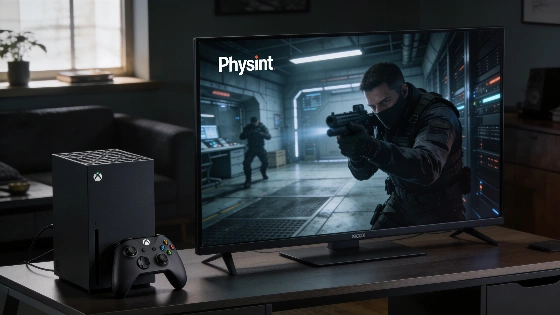
Kojima Productions' Metal Gear-inspired Physint has left PlayStation after Sony cancelled its involvement in June. Microsoft has stepped in to publish the game for Xbox, ensuring the project's survival and a new platform direction
Physint, the action-espionage project from Kojima Productions, will now be published by Xbox after Sony abruptly ended its involvement. The move marks a rare reversal for a studio long associated with PlayStation, and signals a significant shift in platform alliances for one of the industry's most recognisable creators.
Publisher exit and Xbox rescue
In mid-June, Sony informed Kojima Productions that it would no longer support Physint, effectively halting the project's progress on PlayStation platforms. The announcement was delivered with minimal explanation, citing only a difficult decision and a desire to maintain future collaboration. Within hours, Microsoft confirmed it had reached an agreement to publish Physint for Xbox, ensuring the game's continued development and providing a new home for the Metal Gear-inspired title.
Kojima Productions spent three months searching for a new partner before finalising the deal with Xbox. The studio described the process as unexpectedly urgent, with the future of the project in doubt until Microsoft stepped in. Xbox leadership publicly welcomed the partnership, emphasising their commitment to supporting creative risk and genre-defining ambition.
Development status and timeline
Physint remains in active development, but players should not expect a release in the near future. According to statements from Kojima Productions, the game is still several years from completion, with a projected launch window no earlier than 2030. The studio has described Physint as a traditional action-espionage experience, directly influenced by fan demand for a return to the style of Metal Gear.
This is now the second major collaboration between Kojima Productions and Xbox, following the previously announced OD, which targets the horror genre. While OD and Physint are distinct projects, both represent a deliberate expansion of the studio's platform partnerships beyond PlayStation. The shift comes at a time when other studios are also reconsidering exclusivity, as reported earlier in the context of cross-platform launches.
Platform implications and franchise context
The transfer of Physint to Xbox is notable given Kojima Productions' history with PlayStation, particularly through Death Stranding and earlier Metal Gear titles. While Death Stranding remains a PlayStation-linked IP, the future of that partnership is now less certain. Physint's move to Xbox raises questions about the long-term direction of Kojima Productions and the willingness of major publishers to back ambitious, genre-specific projects that do not fit neatly into established commercial models.
For Xbox, securing Physint is a strategic win, adding a high-profile action-espionage title to its future line-up and reinforcing its image as a platform willing to invest in creator-led projects. For PlayStation, the loss is more than symbolic: it represents a missed opportunity to retain one of the medium's most influential voices at a time when platform identity is increasingly shaped by exclusive content and high-profile partnerships.
What remains unknown
Key details about Physint's gameplay, technical ambitions and final platform line-up remain unannounced. No footage, screenshots or in-depth descriptions have been released, and it is unclear whether the game will target current or next-generation Xbox hardware. Pricing, editions and potential PC availability have not been addressed. The only concrete timeline is the studio's estimate of at least five to six more years of development, making Physint a long-term prospect rather than an imminent release.
With the project's future now tied to Xbox, further updates are likely to emerge through Microsoft's official channels and future showcases. Until then, players are left with the knowledge that Physint survives, but its final form and release conditions remain a work in progress.
Platform exclusivity refers to a game being available only on a specific console or ecosystem, often as a result of publishing agreements or strategic partnerships. While exclusivity can drive hardware sales and define platform identity, it also limits player access and can delay or prevent releases on other systems. In recent years, the industry has seen a gradual shift towards timed exclusivity and cross-platform launches, as publishers seek broader audiences and studios negotiate for creative freedom. The Physint situation highlights how quickly these arrangements can change, and how platform strategy remains a moving target for both developers and players.