
Hideki Kamiya has revealed that a memorable gameplay sequence in Okami was directly influenced by a pivotal scene from Sam Raimi's Spider-Man 2, offering new insight into the creative process behind the 2006 classic
Hideki Kamiya has confirmed that a standout moment in Okami owes its existence to a famous cinematic sequence from Sam Raimi's Spider-Man 2. The revelation sheds light on how film and games can intersect in unexpected ways, with Okami's main planner Hiroshi Shibata drawing direct inspiration from the superhero film to craft one of the game's most memorable challenges.
The Inspiration Behind Okami's Log Sequence
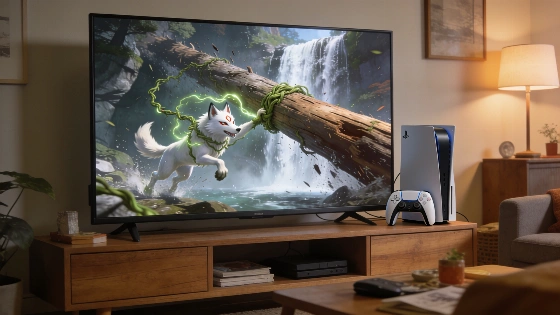
According to Kamiya, the idea for Okami's dramatic log segment was sparked by Spider-Man 2's iconic train rescue scene. In the film, Spider-Man uses his webs to halt a runaway train, a moment that has become a touchstone for action set-pieces in modern cinema. Translating this tension into gameplay, Okami tasks players with stopping a speeding log from plunging over a waterfall, using Amaterasu's Vine power in a timed sequence that mirrors the urgency and spectacle of the film's original moment.
This segment occurs as players attempt to cross a raging river, with a non-playable character working to repair a bridge. The sudden appearance of the log introduces a timed challenge, requiring quick thinking and mastery of the game's unique mechanics. The connection between the two scenes was made public when Kamiya responded to a clip posted on the official Okami X account, crediting Shibata for adapting the cinematic inspiration into interactive form.
Development Insights and Creative Process
Kamiya's comments offer a rare glimpse into the collaborative and referential nature of game development. While Okami is celebrated for its distinct art style and mythological themes, this anecdote highlights how developers often look beyond games for inspiration, borrowing from film, literature, and other media to enrich their work. The log sequence stands as a testament to how a well-executed homage can become a defining gameplay moment in its own right.
This is not the first time Kamiya has shared behind-the-scenes details about his projects. He recently confirmed that Leon S. Kennedy from Resident Evil 2 was named after the 1994 film Leon: The Professional, further illustrating the influence of cinema on his creative decisions. Such disclosures provide valuable context for players interested in the origins of their favourite games and characters.
Okami's Sequel and Future Prospects
Okami's legacy continues to grow, with a direct sequel now in development at Clovers, the new studio founded by Kamiya following his departure from PlatinumGames. The upcoming title is being produced in partnership with Capcom and is described as a true continuation of Okami's main story, rather than a spin-off like Okamiden. While few concrete details have been released, it has been confirmed that the sequel will utilise Capcom's RE Engine, suggesting a modernised visual approach while retaining the series' signature style.
In an exclusive interview earlier this year, Kamiya expressed his long-standing desire to complete Okami's narrative, noting that the original story was never fully resolved. The development team has indicated that it will be some time before new footage or gameplay is shown, but anticipation remains high among fans of the original.
Cross-Media Influence in Game Design
The interplay between film and games is not unique to Okami. Many developers have cited cinematic moments as inspiration for gameplay mechanics, narrative beats, or visual design. This trend is evident across the industry, as seen in other recent projects that draw from a wide range of media. For example, the upcoming Final Fantasy VII Revelation is set to incorporate elements from multiple spin-offs, as discussed in a recent analysis of its narrative direction at Next-Gen Gaming Blog. Such cross-pollination enriches both mediums, offering players experiences that feel both familiar and innovative.
Understanding how developers adapt ideas from outside gaming helps explain why certain moments resonate so strongly with players. Whether through direct homage or subtle reference, these influences shape the games we play and the stories they tell.
When a game references a well-known film scene, it often does so by translating cinematic tension into interactive challenge. In Okami's case, the log sequence uses a timed gameplay mechanic to evoke the same sense of urgency found in Spider-Man 2's train rescue. This approach demonstrates how developers can use familiar narrative structures to create memorable, player-driven experiences that stand apart from their inspirations.