
Miami-Dade's sheriff has intervened to halt plans for a Grand Theft Auto 6-themed city takeover, warning that celebrating the game's Vice City branding risks undermining real-world crime prevention and the city's reputation
Plans to transform Miami into a real-life Vice City for the launch of Grand Theft Auto 6 have hit a wall, as Miami-Dade's top law enforcement officials have publicly opposed the city's proposed marketing partnership with Rockstar Games. The sheriff's intervention has thrown the city's ambitions for a high-profile GTA 6 celebration into doubt, just months before the game's scheduled release.
City Takeover Proposal Faces Backlash
Miami-Dade County officials had been in discussions with Rockstar Games about a large-scale promotional campaign to coincide with the release of Grand Theft Auto 6. The proposed plans included wrapping the city's Metro line in Vice City branding, installing themed manhole covers, and even rebranding Miami International Airport with 'Welcome to Vice City' signage. While no final agreement had been signed, the city's enthusiasm for the campaign was clear-until the sheriff's office stepped in.
Sheriff Rosie Cordero-Stutz and Commissioner Juan Carlos Bermudez have now publicly criticised the idea, arguing that such a campaign would promote a fictionalised, crime-heavy image of Miami at odds with the city's real efforts to reduce violence and build trust. Their statements have effectively stalled the project, with the sheriff warning that celebrating a game built around criminal activity risks undermining the daily work of law enforcement.
Law Enforcement Pushes Back
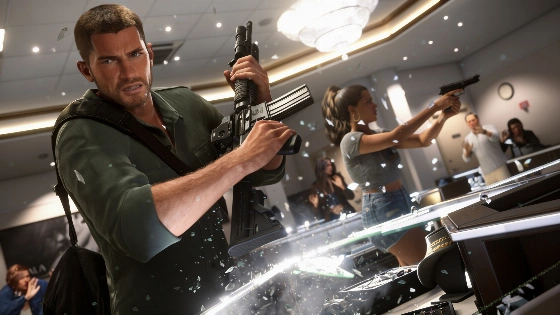
The sheriff's office has made its position explicit: Grand Theft Auto is known for its focus on criminal behaviour, including murder, robbery, drug trafficking, and violence against police. Cordero-Stutz argued that using public assets to promote these themes sends the wrong message at a time when the city is working to reduce crime and strengthen community relations. Commissioner Bermudez echoed these concerns, highlighting the decades spent building Miami's reputation as a global destination for business and tourism, not a city defined by Vice City's brand of chaos.
While the city's initial discussions with Rockstar Games suggested a willingness to embrace the game's cultural impact, the sheriff's intervention has forced a reassessment. No timeline has been set for a final decision, and it remains unclear whether any elements of the proposed takeover will proceed in a revised form.
Vice City's Real-World Impact
Grand Theft Auto 6 is set in Vice City, Rockstar's long-running fictional version of Miami. The developer has invested heavily in recreating the city's architecture and atmosphere, with fans already identifying real Miami locations in the game's trailers. The scale of the planned marketing campaign reflects the anticipated commercial impact of GTA 6, which is widely expected to be one of the year's biggest releases.
Previous entries in the series have drawn both praise and criticism for their depiction of crime and urban life. The debate over Miami's proposed branding campaign is the latest example of how the franchise's cultural footprint extends far beyond the screen. As reported earlier, even minor details about the game's setting and characters have sparked intense scrutiny and discussion among players and local officials alike.
What Remains Uncertain
With the sheriff's office now firmly opposed, the future of Miami's GTA 6-themed takeover is in limbo. Rockstar Games has not commented publicly on the setback, and city officials have yet to outline any alternative plans. The commercial logic for a partnership remains strong-GTA 6's launch is expected to generate enormous attention and tourism interest-but the reputational risks for Miami's public institutions are now front and centre.
Meanwhile, the game's November 19 release date continues to drive speculation and debate, not just in Miami but across the gaming world. The controversy has also spilled onto social media, where some players and even spouses have questioned the game's relationship mechanics and their impact on real-life relationships, adding another layer to the ongoing conversation about the franchise's influence.
Grand Theft Auto's relationship with the real world has always been fraught, but Miami's current standoff exposes the limits of brand synergy when a game's core identity is built on crime and transgression. The city's leadership is right to question whether public infrastructure should be used to promote a fictional world that glamorises the very problems local authorities are fighting to contain. For Rockstar, the episode is a reminder that cultural cachet does not guarantee civic endorsement-especially when the line between satire and reality is as thin as it is in Vice City.
Understanding the difference between a game's fictional setting and its real-world impact is crucial in stories like this. While Grand Theft Auto 6's Vice City is a stylised, exaggerated version of Miami, the use of public spaces for game marketing raises questions about how games shape perceptions of actual cities. The debate highlights the tension between creative freedom and civic responsibility, especially when a game's themes cut close to real social challenges.