
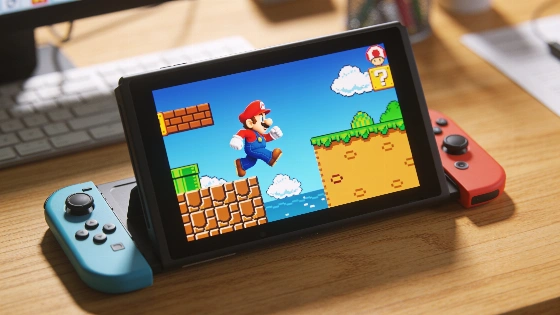
Nintendo's Shigeru Miyamoto has revealed that Mario's iconic dash ability in 2D games began as an unintentional bug, not a planned feature, and explains why it was kept in the final release
One of the most recognisable features in the Mario franchise-Mario's ability to dash across small gaps in 2D platformers-was never part of the original design. Shigeru Miyamoto, the creator behind the series, has clarified that this now-essential move actually started life as a programming error during the development of the first Super Mario Bros. Rather than being a carefully crafted mechanic, Mario's dash was the result of flawed collision detection, which allowed him to run over gaps that should have stopped him in his tracks.
How the Dash Became a Feature
According to Miyamoto, the dash move emerged when holding the B button while running, letting Mario cross small gaps without falling. This behaviour was not intended, but once discovered, it was quickly recognised as enjoyable and added a sense of momentum to the gameplay. Instead of removing the bug, the development team decided to keep it, transforming a technical oversight into a defining element of Mario's movement. The dash has since become a staple, appearing in every mainline 2D Mario title, including the recent Super Mario Bros. Wonder.
Other Glitches That Shaped Games
Miyamoto also pointed out that Super Mario Bros. contained other accidental features that went on to become series icons. For example, the hidden blocks-now a familiar part of Mario's level design-originated from a bug where coins would appear in midair. This approach of embracing fun, unintended quirks is not unique to Mario. Across the industry, several famous mechanics have their roots in glitches, such as the homing briefcase in Hitman or the infamous "nuke-happy" Gandhi in Civilization V. Perhaps most notably, Street Fighter 2's combo system was born from a programming oversight, fundamentally changing fighting games.
Why Some Bugs Stay
The decision to retain a bug often comes down to whether it enhances the player experience without breaking the game. In Mario's case, the dash move added a layer of skill and speed that complemented the platforming challenge. This philosophy-leaving in enjoyable quirks-has influenced other developers as well. It's a reminder that not every glitch is a flaw; sometimes, unexpected behaviour can lead to new gameplay possibilities. For a different example of how player feedback and unexpected requests can shape games, see how Palworld's developers responded to a surge of skin requests in this recent story.
Legacy and Technical Context
Mario's dash ability has now been part of the series for four decades, demonstrating how a single technical oversight can become a core mechanic. The move's persistence across generations of hardware and game engines highlights the importance of player enjoyment over strict adherence to original plans. While not every bug is worth keeping, the Mario series shows that some of gaming's most beloved features can emerge from the unexpected.
Collision detection is a fundamental part of platformer design, determining how characters interact with the environment. When collision systems are imperfect, they can produce unintended results-such as allowing a character to "run" over gaps. In Mario's case, this flaw was turned into a feature, illustrating how technical limitations and creative decisions often intersect in game development. Understanding these systems helps explain why some mechanics feel so satisfying, even when they weren't part of the initial blueprint.