
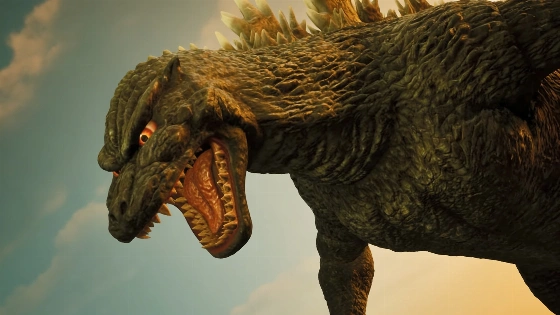
Godzilla: Destroy All Monsters Melee Remastered is officially set for release on 3 November 2026, bringing a reworked roster, new features and a controversial cut to PC, PlayStation 5, Xbox Series X/S and Nintendo Switch 2
Hedorah is out. That's the headline detail for returning players: the infamous Smog Monster, once a hidden energy-draining hazard, has been deliberately excised from Godzilla: Destroy All Monsters Melee Remastered. The decision, confirmed by senior designer Simon Strange, is not a minor tweak but a targeted removal of a mechanic that made a quarter of matches less enjoyable and left many players confused about why their energy regeneration had vanished. This is not a remaster afraid to make surgical changes where the original stumbled.
Release Date and Platform Details
Godzilla: Destroy All Monsters Melee Remastered is scheduled to launch on 3 November 2026, a date chosen to coincide with Godzilla Day, the anniversary of the original film's release in Japan. The game will be available on PC via Steam, PlayStation 5, Xbox Series X/S and Nintendo Switch 2, with both digital and physical editions confirmed. Pricing is set at $29.99 for digital editions and PS5 physical, and $39.99 for the Switch 2 cartridge version. The release lands just days before Grand Theft Auto 6, but the team at Pipeworks and Atari have made clear that the date was selected for its significance to the franchise, not as a tactical move against Rockstar's juggernaut.
Players can expect the core experience of the 2002 GameCube original, but with a blend of old and new. Around 40% of the content is directly remastered from the original source, while 60% is newly built, including updated meshes, textures, lighting and visual effects. The original character animations and audio have been preserved, ensuring that the feel and controls remain authentic to the classic, while the visual presentation is brought up to modern standards using Unreal Engine.
Roster, Remastering and Design Choices
The roster remains largely faithful to the original, with one major visual overhaul: Showa-era Mechagodzilla replaces the 1993 design, a change that required both internal debate and external approval from Toho. The team opted for the 1975 Mechagodzilla mesh to resolve long-standing naming confusion and to better align with the franchise's history. Mechanically, the character remains unchanged, with identical hitboxes and move sets, but the visual update is a clear nod to dedicated fans who have tracked every iteration of the kaiju over the decades.
Not every legacy asset made the cut. Baragon, whose incomplete files from a cancelled PlayStation 2 port still exist, will not be included, as finishing the character would require new animation and audio work. The team also resisted the temptation to expand the roster with monsters from later films or the Monsterverse, citing licensing boundaries and a commitment to preserving the original's identity. Instead, the focus is on delivering a faithful remaster, with only carefully considered exceptions.
One new feature is the director mode, which allows players to pause the action, move the camera freely, and capture screenshots or video without the HUD. This tool, previously a debug-only option, is now fully integrated for players to create their own kaiju moments. The unlock system has also been reworked: instead of a grind-heavy, opaque process, players now earn research points and follow in-game rumours to unlock monsters, offering more flexibility and engagement without sacrificing the sense of discovery.
Development Process and Technical Approach
Pipeworks' decision to remaster the game was made possible by a technical breakthrough: a custom tool was developed to extract assets from the studio's proprietary Spigot engine and convert them for use in Unreal Engine. This allowed the team to preserve original animations and data while rebuilding visuals and effects for modern hardware. Only a handful of original developers remain at Pipeworks, but their involvement has ensured continuity in design philosophy and execution.
Toho, the licence holder, remains closely involved, reviewing changes and ensuring that the remaster respects the franchise's legacy. The process has required more iteration and feedback than typical licensing arrangements, but the result is a product that aims to satisfy both corporate and fan expectations. The team has also confirmed that the game will support local multiplayer with single Joy-Con play on Switch 2, maintaining the four-player party focus that defined the original's appeal.
While the remaster is not a full remake, the blend of preserved and rebuilt content means that returning players will find familiar controls and combat, while newcomers encounter a game that feels both classic and contemporary. The decision to retain certain "clunky" elements, such as legacy grab controls, reflects a deliberate choice to preserve the original's quirks rather than modernise for the sake of change.
Future Possibilities and Player Impact
With the technical groundwork now in place, the possibility of remastering other Pipeworks Godzilla titles, such as Godzilla: Save the Earth and Godzilla: Unleashed, is open-though no contracts or concrete plans have been announced. The team has expressed interest in revisiting these games, particularly to address issues with Godzilla: Unleashed, but any future projects will depend on business negotiations and resource allocation.
For now, the remaster stands as a targeted response to years of fan requests, offering a blend of nostalgia and modernisation without overreaching. The removal of Hedorah, the inclusion of Showa Mechagodzilla, and the reworked unlock system are all evidence of a team willing to make hard choices in pursuit of a better player experience. As with other recent franchise revivals-such as the reported earlier Switch 2 edition of Stellar Blade-this remaster is less about chasing trends and more about delivering a product that respects its own history.
Remasters occupy a specific space in gaming: they are not simple ports, nor are they full-scale remakes. The process involves extracting, updating and sometimes reimagining assets to meet modern expectations while retaining the core of what made the original memorable. For Godzilla: Destroy All Monsters Melee Remastered, this means a careful balance between preservation and improvement, with technical and design decisions shaped by both legacy constraints and new opportunities. The result is a game that aims to satisfy returning fans and attract new players, without losing sight of what made the original a cult favourite.