
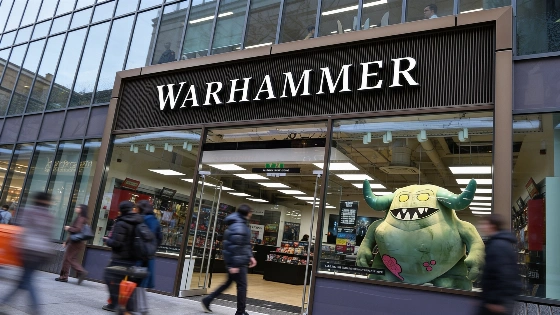
Games Workshop has reclaimed £7.8 million in US tariff refunds after a Supreme Court ruling, but new global tariffs and ongoing conflicts now threaten the Warhammer maker's supply chain and input costs
Games Workshop, the British company behind Warhammer 40,000, has secured a significant refund on US tariffs following a Supreme Court decision, but the company now faces renewed uncertainty as global trade tensions and supply chain risks escalate. The latest developments highlight the ongoing challenges for gaming businesses operating internationally, especially those with major markets in the United States.
Tariff Refund and Legal Ruling
In its most recent financial report, Games Workshop confirmed it has reclaimed £7.8 million (approximately $10.3 million) in US tariffs after the Supreme Court ruled that Donald Trump's use of the International Emergency Economic Powers Act to impose emergency tariffs was unlawful. The company had previously paid £12 million (around $15.9 million) in additional tariffs during the last financial year, with the refund covering duties paid up to February 2026. This legal outcome has provided a temporary financial boost, but it does not resolve the wider volatility in international trade policy.
New Tariffs and Ongoing Costs
Despite the refund, Games Workshop now faces a new 10% global tariff rate introduced by Trump following the Supreme Court decision. According to CEO Kevin Rountree, this change is expected to cost the company £13 million (about $17.2 million) in tariffs for the current financial year. The company has responded by implementing price increases and operational adjustments, including a round of price rises announced last October. Rountree emphasised that tariffs are now considered a routine part of global business risk, rather than an exceptional event.
Supply Chain Disruption and Market Growth
Beyond tariffs, Games Workshop has warned that ongoing global conflicts, including the Iran War, threaten to disrupt its supply chain. The company estimates a £2 million impact from higher plastic input costs and inflationary pressures linked to energy market volatility. Despite these headwinds, Games Workshop reported a 4.9% increase in profit before tax, reaching a record £275.7 million (approximately $366 million) for the year ended 31 May, driven by continued growth in its core Warhammer business. The US remains a crucial market for the company, and any further disruption could have significant consequences for product availability and pricing.
Industry Context and Player Impact
Games Workshop is not alone in facing the consequences of shifting US trade policy. Nintendo, for example, has also taken legal action to recover tariff payments, arguing over whether refunds should be passed on to consumers. The wider industry is watching closely, as these disputes affect pricing, supply chains and ultimately the cost to players. For a broader look at how legal and policy changes are shaping the gaming landscape, see our coverage of recent debates around game identity and regulation.
Tariffs are government-imposed taxes on imported goods, often used as a tool in trade disputes or to protect domestic industries. For gaming companies like Games Workshop, tariffs can significantly increase the cost of manufacturing and distributing products, especially when key components or finished goods cross international borders. When tariffs are imposed or changed unexpectedly, companies may need to adjust prices, alter supply chains, or absorb costs, all of which can affect players through higher prices or reduced availability. The unpredictability of global trade policy remains a major operational risk for the industry.