
An unverified report describes an unofficial fan-made PC port of Fable 2 with 60 FPS and uncapped framerate options, ahead of the series' reported return in 2027.
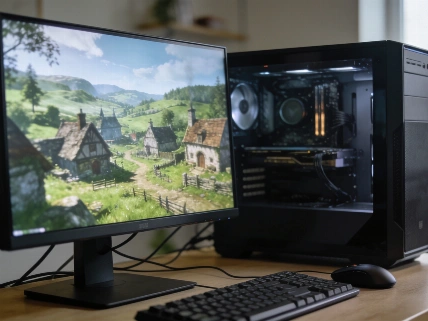
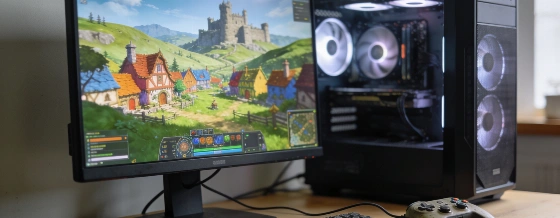
Fable 2 has reportedly reached PC through an unofficial fan-made port. If genuine, it could give players a way back to Albion without waiting for an official release. The described build includes configurable 60 FPS and uncapped framerate options for a game that stayed tied to Xbox 360 for years. No authoritative independent source found in the available research confirms the port, version 1.1.0 or the claimed performance modes.
Fable 2 reaches PC
The project is described as Fable 2: ReXGlue Recompiled Project and is said to be available through GitHub. According to the supplied project description, it recompiles the game's Xbox 360 PowerPC code into C++ at build time with the ReXGlue SDK v0.10.0. That would create a PC version outside Microsoft's official distribution channels. No independently verified report or confirmed ReXGlue repository was found in the available authoritative sources. These technical details should therefore be treated as claims about the project, not established facts.
The developer is said to have started the project as a test of local and open-source artificial intelligence. Qwen3.8 27b reportedly helped get the game running in roughly an hour. Extensive human trial and error then mapped enough functions for the campaign to be completed. No direct developer quote or verified independent account confirms those statements. The model's reported role cannot currently be established from authoritative reporting. If accurate, the description would make the port a technical experiment as well as a fan release.
What version 1.1.0 adds
Version 1.1.0 is described as moving several settings out of hard-coded values. It reportedly adds two configuration files named fable2_config.toml and fable2_patches.toml. Players are said to be able to use them to change specific parts of the port instead of relying on one fixed configuration. The available research does not independently confirm that this version or either file has been released.
The main reported change is the option to set fps_60 = true. When enabled, the port is intended to run at 60 frames per second. When disabled, it runs at 30 FPS. The release description also mentions an uncapped framerate option, along with settings for guild chest items, gamepad mapping and mouse sensitivity. These are reported configuration choices, not independently measured results.
Those figures describe available modes, not independent performance measurements. The supplied information says the project attempts to support 60 FPS. No authoritative source found in the available research provides testing across different PC hardware, frame-pacing analysis or evidence that the higher setting stays stable throughout the game. There are also no externally confirmed figures for campaign completion, compatibility or performance on particular configurations.
Why the port matters
Fable 2 is widely regarded as one of the strongest entries in the series. Its original Xbox 360 release left PC players without an official way to play it. The described project would address that platform gap through fan engineering rather than an Xbox conversion. It could give people who never owned the console a chance to see why the role-playing game remains so highly regarded. Microsoft has not been confirmed as having announced or supported an official PC edition of Fable 2 in the available material.
The timing is notable because Fable is due to return on 23 February 2027 for PC, PlayStation 5, Xbox Series X and Xbox Series S, according to the information supplied with the report. That planned release could give the unofficial port a clear role. It might reconnect players with an older chapter of the series before the new entry arrives. It would also make the absence of an official Fable 2 PC version more visible. The date and platform list are retained here as reported information, not independently verified details from the available research.
The contrast between this community-built release and the technical goals tied to modern platform launches is also familiar from an earlier performance breakdown. That analysis shows why planned targets and actual delivery need to be examined separately. Here, the main evidence supplied is the claimed existence of a playable recompiled project and its configuration system, not a certified commercial port. No fresh confirming coverage from Reuters, AP, Bloomberg, the Financial Times or The Wall Street Journal was found in the available research.
Xbox's missing version
Nothing in the supplied information indicates that Xbox has announced an official PC edition of Fable 2. The available research also contains no confirmed Microsoft statement announcing or supporting such a release. Based on the supplied description, the fan project appears to fill a platform gap that the rights holder has not publicly addressed in the available material. Its existence and technical claims remain unverified by authoritative independent sources.
For players, the choice is straightforward but comes with limits. The project is described as offering access to Fable 2 on PC and settings that can target 60 FPS. Its unofficial status and lack of independent hardware testing mean that compatibility and consistency cannot be assumed. If the reported build is genuine, the port would be an impressive preservation effort. The strongest defensible conclusion is narrower: an unverified community project is being presented as a way to make the long-neglected Xbox 360 classic playable beyond its original platform, while Xbox still has no confirmed PC release for it.
Frame pacing explains why a nominal 60 FPS option is not a measured guarantee. A game can average 60 frames per second while delivering uneven gaps between frames. That can create judder and feel less smooth than a stable 30 FPS presentation. Without hardware testing or frame-time data, the reported configuration confirms an available target, not a universal performance result. No authoritative source in the available research supplies those measurements.