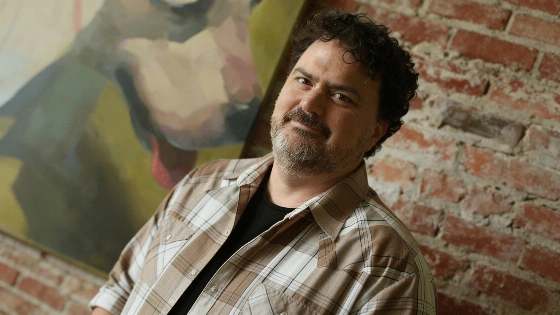
Double Fine has returned to full independence following Xbox's divestment and a quarter of its staff being laid off. Founder Tim Schafer outlines the studio's survival strategy and creative future as it navigates a challenging industry landscape
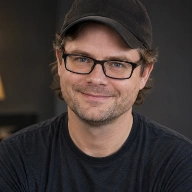
Double Fine's survival was anything but guaranteed when Xbox announced its sweeping restructuring, cutting ties with the Psychonauts developer and forcing the studio to lay off 25 percent of its workforce. Yet, against the odds, founder Tim Schafer has steered the team through the fallout, insisting that only he would decide Double Fine's fate-not a distant corporate boardroom.
Studio independence and staff impact
After Xbox's divestment, Double Fine managed to retain full ownership of its intellectual property and publishing rights. This independence came at a steep cost: approximately a quarter of the studio's staff lost their jobs during the transition. The remaining team now faces the challenge of rebuilding without the financial safety net of a major platform holder.
Despite the reduction in headcount, Double Fine has not retreated from development. The studio has already launched a Kickstarter campaign for its next project, with a tongue-in-cheek promise to develop Brutal Legend 2 if the funding target reaches an improbable $100 million. The move signals both a willingness to experiment and a need to secure alternative funding streams in a volatile market.
Xbox restructuring and wider consequences
Xbox's decision to shed Double Fine was part of a broader cost-cutting initiative led by CEO Asha Sharma, who has publicly committed to restoring profitability. The restructuring resulted in roughly 3,200 layoffs across the company, with four studios moving to new management. Sharma has outlined plans for the next generation of Xbox hardware, codenamed Project Helix, which is set to include a family of devices-though she has declined to confirm whether physical disc drives will remain part of the offering.
Transparency around Xbox's financial state has increased, but the consequences for smaller studios have been severe. Double Fine's experience is not unique: the industry has seen a wave of layoffs and divestments as platform holders and publishers adjust to shifting market realities. As reported earlier, even high-profile creators and projects are not immune to the pressures of changing business models and player expectations.
Creative direction and future projects
Tim Schafer has described the past year as a period of intense internal conflict, legal wrangling and difficult trade-offs. Yet he credits these challenges with reigniting the studio's creative drive. The current focus is on developing games that fit realistic budgets and appeal to publishers interested in Double Fine's distinctive style, rather than chasing unsustainable ambitions.
Double Fine's recent shadow drop of Keeper-a title previously exclusive to Xbox-on PlayStation 5 demonstrates the studio's renewed flexibility. Freed from platform restrictions, the team can now pursue multi-platform releases and explore new partnerships. The Kickstarter campaign for the next project is a test of both community support and the studio's ability to adapt to a post-Xbox environment.
Industry context and player consequences
For players, Double Fine's transition means future titles will be shaped by the realities of independent funding and the absence of guaranteed platform backing. The studio's ability to retain its IP rights is a rare win in an industry where divested teams often lose control of their creations. However, the loss of a quarter of its staff will inevitably affect development timelines and the scale of upcoming projects.
Xbox's restructuring has sent a clear message: even established studios with acclaimed histories are vulnerable when profitability becomes the overriding concern. Double Fine's determination to survive on its own terms stands in contrast to the fate of many peers, but the path ahead remains uncertain. The studio's next releases will be a direct test of whether creative independence can translate into commercial sustainability in today's market.
Intellectual property (IP) ownership is a critical factor in the games industry, especially during studio transitions or publisher divestments. When a developer retains its IP rights, it maintains control over future sequels, ports and licensing opportunities. This autonomy allows studios like Double Fine to pursue new publishing deals, crowdfunding campaigns or platform partnerships without external interference. In contrast, losing IP rights can leave a team unable to build on its own legacy, limiting both creative freedom and long-term viability.