
CD Projekt has revealed new details about the creation of The Hunt, a standout side quest in Cyberpunk 2077, highlighting its psychological approach and the disturbing elements that set it apart from typical action missions
Cyberpunk 2077 may be approaching its sixth anniversary, but the game's side quests continue to attract attention for their narrative ambition and psychological depth. One mission in particular, The Hunt, has resurfaced in discussion after CD Projekt's development team shared new insights into its design and intent.
The Hunt's Psychological Focus
The Hunt is a side quest that places players alongside River Ward as they investigate the disappearance of his nephew, Randy, believed to be the victim of serial killer Anthony Harris. Unlike many missions in Cyberpunk 2077, The Hunt is structured around detective work and psychological exploration rather than direct combat. Players gather evidence, sift through digital clues, and piece together Harris's troubled past, with the quest's tension building through narrative detail rather than on-screen violence.
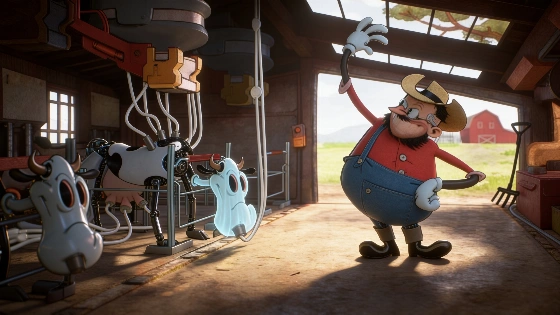
A particularly unsettling moment occurs when players discover a disturbing cartoon on Randy's computer, which serves as a key to unlocking a braindance sequence. This segment delves into Harris's psyche, revealing the roots of his abusive behaviour and the methods he used to manipulate his victims. The quest's climax involves tracking down Harris's hideout and rescuing Randy, with the narrative drawing clear parallels to the investigative tone of series like True Detective.
Design Intent and Player Reaction
According to CD Projekt's associate game director Paweł Sasko, The Hunt was deliberately crafted as a psychological thriller, with most of its violence implied rather than shown. The quest relies on environmental storytelling, digital files, and a carefully constructed braindance to deliver its most shocking revelations. Sasko explained that the team wanted the mission to evoke the atmosphere of a cop drama within a cyberpunk world, using discomfort and unease to drive the narrative forward.
This approach has resonated with many players, who have praised The Hunt for its mature handling of dark subject matter and its willingness to explore uncomfortable themes. The quest stands out within Cyberpunk 2077's broader mission structure, which often leans more heavily on action and spectacle. Other side quests, such as Sinnerman and They Won't Go When I Go, have also been noted for their disturbing content and narrative ambition.
Development Insights and Future Expectations
Cyberpunk 2077's narrative experimentation has become a point of reference for discussions about the future of the franchise. CD Projekt has confirmed that work on the sequel, currently known as Cyberpunk 2, is underway, with 163 developers assigned to the project as of April. While few concrete details have been released, series creator Mike Pondsmith has hinted at a broader scope for the next game, including new locations beyond Night City. However, CD Projekt has indicated that Cyberpunk 2 is unlikely to launch before 2030, as the studio's current focus remains on The Witcher 4.
The Hunt's reputation as a standout quest has also prompted comparisons with other games that have experimented with psychological horror and narrative-driven missions. For example, a previously uncovered Zombies mode in Call of Duty: Black Ops offered a rare look at how established franchises sometimes explore darker, more experimental territory, as detailed in this report on a cut Black Ops mode.
What Remains Uncertain
While CD Projekt has been open about the creative process behind The Hunt, many specifics about Cyberpunk 2's narrative direction and mission structure remain unknown. It is not yet clear whether the sequel will continue to prioritise psychological storytelling or return to a more action-oriented formula. The studio's willingness to experiment with genre and tone in Cyberpunk 2077 suggests that future entries could further blur the boundaries between detective drama, psychological thriller, and open-world action.
For now, The Hunt stands as a reminder of how side quests can push the boundaries of narrative design in major releases, offering players a more nuanced and unsettling experience than traditional action missions.
Braindance sequences in Cyberpunk 2077 are interactive virtual reality experiences that allow players to relive memories from another character's perspective. These segments combine environmental exploration with narrative clues, often requiring players to analyse audio, visual, and thermal layers to uncover hidden details. Braindances are used throughout the game to deepen storytelling and provide insight into characters' motivations, making them a distinctive feature of Cyberpunk 2077's approach to narrative immersion.