
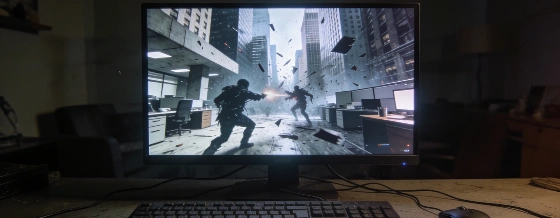
This CONTROL Resonant guide hub covers the best starting form, the first combo finisher worth unlocking, routes for farming materials and balanced Assist Mode settings.
Early choices matter in CONTROL Resonant. Remedy Entertainment's latest game mixes the Metroidvania structure of its warped Manhattan with a faster combat system shaped by character action games. This guide hub covers the opening Aberrant Form, combat upgrades, progression resources and Assist Mode settings for different players.
Remedy officially describes CONTROL Resonant as a sequel to CONTROL, with Dylan Faden as its protagonist. The game is scheduled for a worldwide digital release on September 24, 2026, for PlayStation 5, Xbox Series X|S and PC. GeForce NOW support will be available at launch. According to Remedy Entertainment's official press release distributed through Nasdaq, the standard edition costs €59.99, £49.99 or $59.99, though regional prices may vary. Physical editions for PS5 and Xbox Series X|S are scheduled for October 15, 2026. A Mac version is planned for later in 2026 through Steam and the App Store.
Start with the right form
The first major guide looks at the best Aberrant Form to choose at the start of the game. That choice affects the opening hours, so it is more than a cosmetic decision. Players who want a clear starting point can use the guide before committing to their first stretch of exploration and combat.
The game keeps the Metroidvania structure in its version of Manhattan. Understanding its opening systems helps because exploration and progression are tied to the way players approach encounters and move through the city's distorted spaces. Sony's PlayStation Blog says the sequel moves beyond the Oldest House into warped districts of Manhattan, with darker and more surreal locations that expand the original game's setting.
Combat rewards precision
Combat is the biggest change from the previous entry. CONTROL Resonant uses a hectic system with the pace and focus of character action games. The order of ability unlocks matters. That is why the hub starts with the best combo finisher to unlock, instead of listing every option without a clear priority.
The recommendation gives players a stronger base before the combat grows more demanding. It does not force one build on everyone. It points to an early upgrade that can shape how players handle the sequel's battles.
Remedy's official description highlights paranatural abilities, multiple forms of Aberrant and battles against large bosses. Those details support the hub's focus on aggressive combat choices. The sequel is not simply extending the original game's formula. It puts more weight on active ability use, form selection and high-intensity encounters.
The available material does not include frame-rate measurements, resolution targets, platform comparisons or independent performance testing. This is gameplay guidance based on a complete PC playthrough, not a technical assessment. Broader discussions of image-quality targets in other games appear in this earlier technical breakdown. That article should not be treated as evidence about CONTROL Resonant's performance.
Farm resources efficiently
The progression guides answer two practical questions. One covers farming Source and upgrade materials. The other explains how to obtain Living Shards. These resources sit behind character improvement, so the hub separates general farming from the specific Living Shards route. Players can focus on what they need.
The farming advice comes from a full PC playthrough using version 1.00. That gives the recommendations a clear reference point, though later updates may change how well they apply. Screenshots were captured from the same version, so the visual evidence matches the build used for the guides.
Accessibility and review context
CONTROL Resonant also has guidance on the best Assist Mode settings for a balanced playthrough. No single setup is presented as right for everyone. Assist Mode lets players adjust the experience and find a steadier balance between demanding combat and exploration.
The hub currently lists traversal and puzzle guides as forthcoming. Those areas do not yet have the same level of detail. The current guide list is useful for combat and progression, but it is not a complete solution for every system or challenge in the game.
The review section points readers to Alessio Palumbo's assessment of Remedy's decision to change the genre, protagonist and setting. The review says most of those risks succeed and that the sequel is worth considering for fans of the studio and the series. That is a review judgment, not a replacement for practical guide information. The two sections have different purposes.
Annapurna Pictures is also a co-financing and co-producing partner on the project, a role Remedy identified in its official communication. That partnership provides context about the sequel's publishing structure. The guide hub remains focused on player-facing systems and progression advice.
This hub works best as a player reference. It focuses on early choices, combat priorities, material farming and Assist Mode. It gives CONTROL Resonant a useful entry point without claiming that the unfinished traversal and puzzle sections are complete. For players deciding how to approach Remedy's most heavily reworked sequel, that clear scope is more useful than a long list of unverified tips.
Version 1.00 is the reference build for these guides. The advice is therefore build-specific, not permanent. A patch can change resource locations, upgrade values or combat balance without changing the experience's broad structure. That distinction shows what the hub can establish now and what readers may need to check again after an update.