
Crux Games, the South African studio behind Terra Nil, has confirmed that their roguelike citybuilder Combolands will launch for PC via Steam on 24 August, with a free demo already available for players to try
Crux Games has officially announced that Combolands, a roguelike citybuilder developed by the two-person team of Sam Alfred and Skye Scott, will launch on PC via Steam on 24 August. The game builds on the foundation of their earlier Itch.io project Tiny Towns, and has been developed with support from Landfall, known for titles such as HASTE and Content Warning. Combolands aims to deliver a compact yet strategic citybuilding experience, with a free demo currently accessible for those interested in sampling its mechanics ahead of release.
Gameplay and Core Features
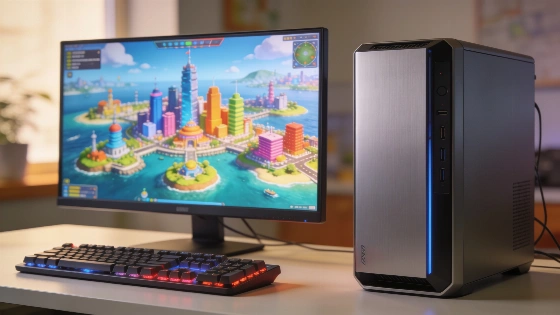
Combolands is designed as a mini citybuilding roguelike, where players construct buildings on procedurally generated islands and seek to trigger powerful synergies through clever placement. Each run presents a new terrain layout, requiring players to adapt their strategy and experiment with different combinations. The game features 21 possible guild combinations, each offering unique strengths and drawbacks, and introduces unlockable councillors, relics, and other modifiers that can significantly alter playstyle. Sessions are intended to be short, with deep strategy emerging from the interplay of building placement and combo stacking.
Players can expect to unlock new guilds as they progress from island to island, with each run offering the potential for new discoveries and approaches. The design encourages experimentation, rewarding those who refine their tactics and explore the full range of available synergies. The development team highlights the game's focus on delivering a 'number-go-up' rush, with cascading combos and strategic depth packed into concise play sessions.
Development Background and Studio Context
Crux Games is a South African studio led by Sam Alfred, best known as the designer of the BAFTA-nominated Terra Nil, and Skye Scott. Following the positive reception of Tiny Towns, which attracted over 100,000 views on Itch.io, the team expanded the concept into a full release under the new name Combolands. Landfall, the studio behind HASTE and Content Warning, has provided additional support during development. The project reflects a growing trend of small teams leveraging early prototypes and community feedback to shape their commercial releases.
Combolands is scheduled for a simultaneous global release on PC via Steam, with no current indication of console versions or alternative storefronts. The announcement follows a period of increased visibility for indie citybuilders, as seen with other recent launches and demos. For those interested in the broader landscape of indie releases, the recent STARCULT demo launch on Steam demonstrates the continued appetite for innovative mechanics and genre hybrids among PC players.
Release Timing and Access Details
The official release date for Combolands is set for 24 August, with the game launching exclusively on Steam for PC. A free demo is already available, allowing players to experience the core mechanics and provide feedback ahead of launch. Crux Games has indicated that review codes will be distributed in the near future, but no details have been provided regarding pricing, system requirements, or potential early access. The studio has not announced any plans for console versions or additional platforms at this stage.
Combolands will offer a single-player experience focused on replayability and strategic experimentation. The procedural generation of islands and the variety of unlockable guilds are intended to provide substantial depth despite the game's compact format. Players interested in citybuilders with roguelike elements may find Combolands a notable addition to the genre's expanding roster on PC.
Procedural generation is a technique used in games to create content algorithmically rather than manually, resulting in unique layouts or scenarios each time a new session begins. In Combolands, this means that every island is generated differently for each run, encouraging players to adapt their strategies and experiment with new combinations. This approach can enhance replayability and ensure that no two playthroughs are exactly alike, a design philosophy increasingly common in modern roguelike and strategy games.