
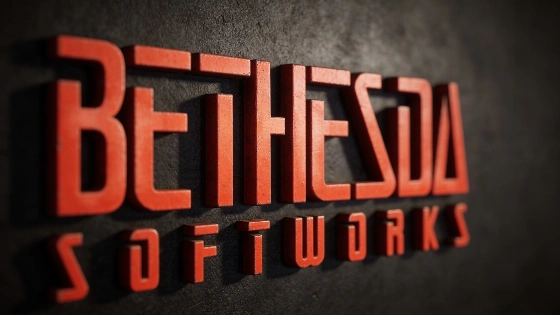
Bethesda has introduced a new logo to mark its 40th anniversary, drawing inspiration from its early days and classic titles. The studio's history with The Terminator games is referenced, but no new projects in that series are planned
Bethesda has marked its 40th anniversary by unveiling a new logo, officially announced via the studio's social channels. The updated design is described as a tribute to Bethesda's origins, referencing the era before its acquisition by ZeniMax Media and, later, Microsoft. The logo's style draws clear inspiration from the studio's early 1990s PC releases, particularly its run of The Terminator games, which remain a notable part of Bethesda's back catalogue.
Logo Pays Homage to Early Bethesda Titles
The new logo is intended as a nod to Bethesda's formative years, when the studio was best known for licensed projects such as The Terminator (1991), The Terminator: 2029 (1992), and The Terminator: Rampage (1993). These titles, released for MS-DOS, established Bethesda's reputation for ambitious PC development before the studio shifted focus to original IP. The logo's retro aesthetic is a deliberate reference to this period, rather than a signal of new projects in the same vein.
Bethesda's final Terminator game, Skynet, launched in 1996, closing a chapter that saw the studio experiment with first-person action and early open-world elements. While these games are no longer central to Bethesda's identity, their influence is acknowledged in the anniversary branding.
The Elder Scrolls and Franchise Evolution
Following its work on licensed properties, Bethesda released The Elder Scrolls: Arena in 1994, setting the stage for the studio's long-term focus on expansive role-playing games. The Elder Scrolls series has since become Bethesda's flagship franchise, with The Elder Scrolls VI currently in development and not expected before 2028. The studio's shift from licensed action games to original RPGs marked a decisive change in its creative direction.
Key figures from the Terminator era, including Todd Howard, went on to lead major Elder Scrolls projects. After producing The Terminator: Future Shock in 1995, Howard became project lead on The Elder Scrolls Adventures: Redguard and later The Elder Scrolls III: Morrowind, which remains one of the studio's most acclaimed releases.
Current Projects and Studio Priorities
Despite the anniversary's nostalgic branding, there is no indication that Bethesda plans to revive its Terminator games or pursue new licensed projects. The studio's current roadmap is dominated by major RPGs and ongoing support for live-service titles. The Elder Scrolls VI remains in active development, alongside Fallout 5, remasters of Fallout 3 and Fallout: New Vegas, and continued updates for Starfield and Fallout 76.
Recent restructuring at Xbox, including significant lay-offs, has affected several studios under the Microsoft umbrella, but Bethesda's core projects remain publicly unchanged. The studio's focus is firmly on its established franchises and upcoming releases, rather than returning to its earlier licensed catalogue.
Legacy and Player Expectations
Bethesda's decision to reference its early history with the new logo is a reminder of the studio's evolution over four decades. While the Terminator games are unlikely to return, their technical ambition and experimental design helped shape Bethesda's approach to world-building and player agency. The anniversary branding serves as a celebration of that legacy, even as the studio looks ahead to new entries in its most successful series.
For players, the new logo is primarily a commemorative gesture rather than a hint at future content. Bethesda's development priorities remain focused on large-scale RPGs and ongoing support for its current titles, with no confirmed plans to revisit its early licensed properties.
Understanding the difference between a remaster, a remake, and a new entry is important when following studio announcements. A remaster typically updates visuals and performance for modern hardware while retaining the original game's structure, whereas a remake involves rebuilding the game from the ground up, often with new assets and mechanics. Anniversary branding, such as Bethesda's new logo, is usually a symbolic gesture rather than a sign of returning content or revived franchises.