
GabFreakyPie has released Aux Court, a competitive multiplayer music curation game for web browsers and Android, offering real-time playlist battles and ranked leaderboards for music fans and streamers
Aux Court, a new real-time multiplayer music curation game from independent developer and music artist GabFreakyPie (Gabriel Rivard), is now available to play on web browsers and Android devices. The game invites players to test their musical taste in direct head-to-head playlist battles, with instant access via auxcourt.com or through itch.io for Android users. Aux Court is free-to-play and aims to blend music discovery with competitive gaming, targeting music lovers, gamers, and streamers alike.
How Aux Court Works
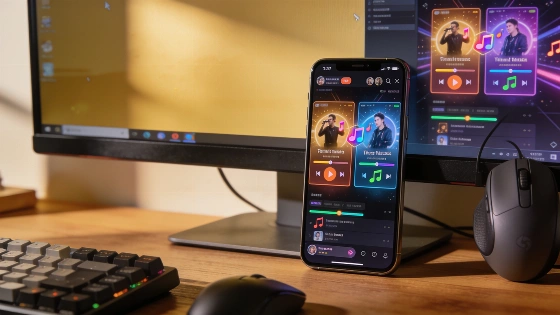
Aux Court structures its matches as 1v1 duels in what it calls "The Court of Public Taste." Each round is divided into four phases: players select tracks to fit a theme or counter their opponent, listen to real-time previews, cast secret votes on the opposing selection, and then receive a verdict. The outcome determines ELO points, with dramatic "Hung Jury" results possible on split decisions. The game supports live matchmaking, friend challenges, and AI opponents via the built-in AUX Bot.
Multiple game modes are available, including Classic Duel, King of the Hill, Speed Round, and Genre Gauntlet. Streamer Mode is also included, offering dedicated tools for Twitch creators to host interactive music battles with their audiences. Cross-platform play is supported, with no download required for browser access and a native Android app for mobile players.
Competitive Features and Progression
Aux Court features ranked seasonal ladders, an ELO-based leaderboard, and a Hall of Fame for top performers. At launch, the game is in its fourth competitive season, allowing players to track their all-time records and earn permanent recognition for their achievements. The game's progression system is designed to reward both skill and musical creativity, with each match contributing to a player's standing.
Streamer integration is a notable focus, with Host and Join tools enabling live audience participation. This approach reflects a broader trend in indie multiplayer games, where community engagement and content creation are increasingly central. For context, other recent indie releases, such as the music-driven demo at gamescom 2026 covered in our report on My Dear Emma's sensory gameplay, have also experimented with interactive and audience-driven features.
Developer Background and Access Details
Gabriel Rivard, known as GabFreakyPie, is a Quebec-based software engineer and recording artist who has combined his interests in music and game development to create Aux Court. The game is positioned as a platform for settling music debates and discovering new tracks in a competitive environment. Players can access Aux Court for free at auxcourt.com or download the Android version from itch.io. Official support and contact details are provided via auxcourt@proton.me and gabrivardqc123@gmail.com, with updates and community engagement through the @GabFreakyPie social channels.
Aux Court's launch adds to a growing catalogue of indie multiplayer experiences that prioritise accessibility and creative competition. The game's free-to-play model and instant browser access lower the barrier for entry, while its ranked systems and streamer tools aim to sustain long-term engagement.
In competitive online games like Aux Court, ELO-based leaderboards are used to rank players according to their performance in head-to-head matches. ELO is a rating system originally developed for chess, but it has been widely adopted in multiplayer gaming to provide a dynamic measure of skill. Each win or loss adjusts a player's rating, with the system designed to match players of similar ability and reward consistent success. This approach helps maintain balanced competition and gives players a clear sense of progression as they climb seasonal ladders or aim for a place in the Hall of Fame.